
How to Grow Sprouts
Fresh food in a jar · year-round How to Grow Sprouts A seed-to-harvest system for crisp, clean sprouts—covering seed choice, soaking, rinsing, drainage, food safety, harvest, storage, and a repeatable batch log. Plan a batchShop sprouting seeds SOAK · RINSE · DRAIN · HARVEST Know what you are.
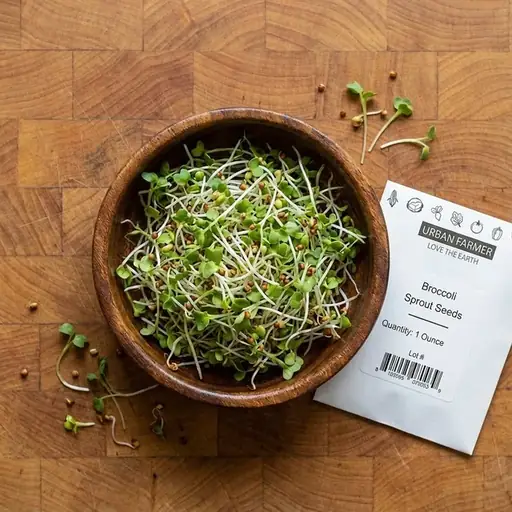
Fresh food in a jar · year-round
How to Grow Sprouts
A seed-to-harvest system for crisp, clean sprouts—covering seed choice, soaking, rinsing, drainage, food safety, harvest, storage, and a repeatable batch log.
Plan a batchShop sprouting seeds SOAK · RINSE · DRAIN · HARVESTKnow what you are growing
Sprouts are their own crop
Sprouts are germinated seeds eaten with the root, stem, cotyledons, and often the seed hull. They grow without soil and are harvested earlier than microgreens.
SproutsUsually 3–7 days
Grown in a jar, bag, or sprouter with repeated rinsing and complete drainage. The whole sprout is eaten.
MicrogreensUsually 7–21 days
Grown on media under light and cut above the root. Use the separate microgreens guide for tray density and canopy management.
Only use suitable seedFood crop, not garden leftovers
Use untreated seed sold for edible sprouting. Never use coated, pelleted, fungicide-treated, or unidentified seed.
Size the batch before soaking
Sprout batch planner
A crowded vessel drains poorly. Start conservatively, then record the amount that gives your preferred texture and airflow.
Estimate dry seed
Sprout type Vessel size Number of vessels Suggested starting amount—Adjust after observing drainage and finished volume. Small seedsBroccoli, kale, radish, amaranth. Lower dry volume expands quickly.LegumesLentil and bean mixes need more room, stronger drainage, and careful inspection.GrainsWheat and spelt are versatile but finish differently depending on intended use.MixesUse blends formulated with compatible soak and harvest timing.One repeatable routine
Six stages from dry seed to harvest
Clean & measure
Wash hands and clean the vessel, screen, bowl, and work area. Measure only seed labeled for sprouting and remove damaged material.
Soak
Cover seed generously with potable water for the packet’s recommended time. Larger seeds generally need longer than small brassicas.
Drain completely
Pour off soak water, rinse, and drain until dripping stops. Keep the jar inverted at an angle so water cannot pool around seed.
Rinse on schedule
Rinse with cool potable water at least morning and evening, or as the seed packet directs. Swirl gently, then drain fully every time.
Inspect every batch
Check smell, color, texture, drainage, and temperature. Discard the entire batch if it becomes slimy, discolored, or foul-smelling.
Harvest & chill
Follow the crop’s maturity cues, drain thoroughly, and refrigerate promptly in a clean container at 40°F or below.
Food safety comes first
Warm + wet also favors bacteria
Sprouting conditions can multiply Salmonella, Listeria, and E. coli if they are present on seed. Homegrown does not mean risk-free.
Start with the right seed
Buy seed specifically sold for edible sprouting from a reputable supplier and follow its directions.
Use potable water
Use safe drinking water for soaking and every rinse. Never reuse spent soak or rinse water on another batch.
Clean and drain
Clean equipment between batches. After each rinse, drain fully and allow air exchange without exposing sprouts to dirty surfaces.
Cook for lower risk
Cooking sprouts thoroughly reduces risk. FDA advises children, older adults, pregnant people, and people with weakened immune systems to avoid raw or lightly cooked sprouts.
Food-safety guidance is based on FDA and university extension resources. No home method can guarantee pathogen-free raw sprouts.
Stop problems early
Sprout troubleshooting
Sour or foul odorDiscard the entire batch. Review seed source, soak time, room heat, rinse frequency, drainage, vessel crowding, and cleaning before restarting.
Slime or sticky clumpsDiscard the batch. Slime points to poor drainage, excessive heat, crowding, or deterioration—not a condition to rinse away.
Seeds are not germinatingCheck age and quality of seed, soak duration, water temperature, and whether the seed was treated. Test a fresh lot rather than extending a questionable wet batch.
Sprouts dry between rinsesConfirm the screen is not in direct sun or strong airflow. Keep the vessel shaded during early growth while preserving drainage and ventilation.
Sprouts are palePale growth is normal during the shaded phase. If the crop is intended to green, expose it to indirect light near the end without overheating the jar.
Hull buildupHull retention varies by crop. A clean-water float and gentle separation near harvest may help, but do not add unnecessary handling if the hulls are edible.
Verified Shopify products
Choose a sprouting seed
These links open exact sprouting-seed products on the Urban Farmer Shopify store.
Mild brassicaBroccoli Sprouting SeedsShop seed →Fast + pepperyDaikon Radish Sprouting SeedsShop seed →Hearty legumeFrench Lentil Sprouting SeedsShop seed →Crunchy blendBean Mix Sprouting SeedsShop seed →Varied textureFrench Mix Sprouting SeedsShop seed →Whole-grain optionSoft White Wheat Sprouting SeedsShop seed → Browse all sprouting seedsShop sprout bagsMake every batch better
Sprout production log
Track seed lot, soak, rinse rhythm, harvest, and quality. The gray example stays on the website but is removed from the one-page printable log.
| Batch / crop | Seed lot | Dry wt. | Soak | Started | Rinses/day | Harvest | Yield | Notes |
|---|---|---|---|---|---|---|---|---|
| SP-018 · Broccoli | BR-2608 | 22 g | 6 hr | 9/2 | 2 | 9/7 | 8 oz | Clean aroma; drain longer next batch |
Grower FAQs
Questions that change a batch
How often should sprouts be rinsed?A common home routine is twice daily, but the seed packet and growing system control. Every rinse must be followed by complete drainage.
Do sprouts need sunlight?Early growth can occur in shade. Some leafy sprouts may be exposed to indirect light near harvest to green, but direct sun can overheat or dry a jar.
Can regular garden seed be used?Only if it is explicitly untreated and intended for edible sprouting. Seed coatings and treatments used for field or garden planting may not be food-safe.
Can different seeds be mixed?Use a formulated sprouting mix or combine only seeds with compatible soak, rinse, expansion, and harvest timing.
How do I know sprouts are ready?Use the packet’s time and crop-specific maturity cues. Radish and broccoli are commonly harvested after cotyledons develop; legumes may be preferred with shorter roots.
How should sprouts be stored?Drain thoroughly and refrigerate promptly at 40°F or below in a clean container. Discard sprouts that become slimy, discolored, or off-smelling.
Does rinsing remove pathogens?No. Rinsing supports the crop and removes residues, but it cannot guarantee that pathogens already present on seed are gone.
Are homegrown sprouts safer?Not necessarily. If contaminated seed is the source, bacteria can multiply even when sprouts are grown under sanitary home conditions.
Urban Farmer Sprouts Guide
Start clean, drain completely, inspect every batch, and keep useful records.




질문 및 토론