
Are Plants that Repel Mosquitoes a Scam?
Plants that Contain Citronella, And Why you Need to Buy Insect Repellent I’m going to be straight with you. You cannot run over to your local garden center or hop online and purchase a plant (or thirty) that will make your summer backyard gatherings mosquito-free. It’s just not going to happen..
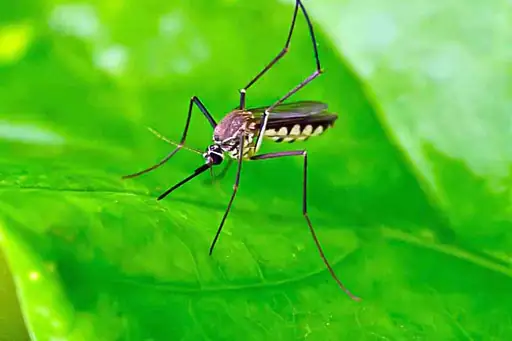
Plants that Contain Citronella, And Why you Need to Buy Insect Repellent
I’m going to be straight with you. You cannot run over to your local garden center or hop online and purchase a plant (or thirty) that will make your summer backyard gatherings mosquito-free.
It’s just not going to happen.
You’ve probably heard of any number of plants that have mosquito-repelling properties. These might include:
- Allspice
- Artemisia
- Basil
- Cajeput
- Catmint
- Catnip
- Cedar
- Chives
- Cinnamon
- Citronella Grass
- Garden Geranium
- Garlic
- Cranesbill Geranium
- Lemon Balm
- Lime basil
- Marigold
- Mint
- Pennyroyal
- Pine
- Rosemary
- Tarragon
- Verbena
Although some claim that you can just plant them and that’s all that there is to it, that’s not really the case.
The thing is, with all these plants, you have to crush or burn some part of the plant to get to the substance within that offers the repellant properties. Simply plopping it in a pot on your back patio will not the problem solve.
Lavender’s lovely, but not likely a quick fix.That’s not to say you shouldn’t grow these beauties in your garden! But just don’t expect a mosquito-free backyard picnic just because you planted some lavender.
Pennyroyal is rumored to double as mosquito repellent.Many of these plants contain the substance citronellal, which does indeed have insect-repellent properties. But they don’t spew it into the air, chasing away mosquitoes, no matter how much we’d like them to.
To get a better picture of the plant kingdom’s contribution to mosquito deterrence, let’s look more closely at some of these lovely plants.
The Fake Citronella Plant
You might come across, at big-box stores in particular, plants marketed as “citronella plant” or “mosquito plant.” If it’s a lacy-leafed thing that looks like a geranium, it’s probably Pelargonium ‘citrosum,’ or P. ‘citrosum Van Leenii’ a geranium with fragrant leaves that smell like citronella.
It was once said that this plant was the result of combining genes of two other plants – citronella grass and African geranium. But that claim has since been debunked; it’s simply a variety of geranium.
Scented Geranium Plants in 4-Inch Pots
P. ‘citrosum’ contains less than 1 percent of citronellal, the compound that has the insect-repelling properties.
It’s a pretty plant, and it smells good, so if you’d like to add one to your landscape, please do; you can get a live, 4-inch plant from . But don’t expect it to banish the bugs.
The Real Citronella Plant
Let’s look at the grass-like plants that boast a higher concentration of citronellal.
Citronella Grass
These are clump-forming grasses that are perennial in zones 10-12, but grow as annuals in other zones.
Heirloom Lemon Grass Seeds
C. nardu contains an average of 14% citronellal, while C. winterianus has about 22% citronellal. These are the plants that supply the oil used in commercial citronella products, such as candles.
More Citronella in South America
Another citronellal-containing plant for which limited information is available in English is Citronella mucronata, also known as Chilean citronella or, in Spanish, huillipatagua.
C. mucronata. By pabloendemico. D. Don, CC via Wikimedia Commons Attribution 2.0 Generic License.Chilean citronella is an evergreen tree native to Chile that can grow to be 30 feet tall. It is one of approximately 25-30 plants in the Citronella genus, most of which are native to tropical climates.
We couldn’t find much information about their citronellal content, but it’s no matter, since you’re unlikely to find these plants for sale in North America.
Another Option: Lemon Balm
A citronellal-containing plant you might consider for your back porch is lemon balm (Melissa officinalis), which is said to have as much as 38% of the substance.
Lemon Balm Seeds
Packets of 700 seeds are available from .
Lemon balm is an herbaceous perennial native to south-central Europe, the Mediterranean Basin, Iran, and Central Asia. A member of the mint family, it is often used to make teas to relieve indigestion and promote relaxation.
Or, Just Buy a Spray
So, having told you about all these plants, the fundamental fact still remains: simply planting these in your landscape will do absolutely nothing to chase away the bothersome bugs.
You would have to crush the leaves or stalks of these plants and rub them on your skin. This, of course, can be risky because of potential skin sensitivities. If you really want to try this, do a “patch test” first – apply to a small area of skin and make sure you don’t react badly.
If you have a football field of a backyard, I suppose you could plant a whole lot of, say, C. winterianus, and build a pressing/extracting plant and a bottling plant…
This chemical has been found to be the very best mosquito repellent. If DEET’s not your thing, use the natural, citronell-containing stuff, but apply it often as it evaporates fairly quickly.
Also, reduce populations of mosquitoes by eliminating their breeding grounds: standing water. Be diligent, especially after a rainfall, about walking the yard and emptying out buckets and whatnot that may have collected water.
Pretty, But Ineffective
While all these wonderful plants have many things to offer to your landscape, getting rid of mosquitoes is not among them. From a practical standpoint, anyway.
Purple martins can help to solve your pest problems.Eliminate standing water, purchase a spray containing either citronella or DEET, and enjoy a misery-free summer! You might also want to attract purple martins to your yard, as these birds enjoy a mosquito snack now and then.
What’s your favorite way to eliminate mosquitoes from your yard? Share in the comments section, below!
And for more on ridding your landscape of common garden pests, check out the following:
- Managing the Aphid: An Unwelcome Garden Visitor
- Doing Battle with Japanese Beetles: Tips for Banning Them from Your Garden
- 23 Beneficial Insects and Other Creepy Crawlies That Your Garden Will Love
- Facebook338
- X




질문 및 토론