
Birds Eating Your Tomatoes? Learn How to Protect Your Crop
Birdwatching is a joy until you catch those feathered friends pecking at your tomatoes. While their playful antics and melodic songs are usually a delight, for gardeners, birds can quickly turn from charming to troublesome when ripe fruit is on the vine. Common culprits like blue jays, cardinals,.
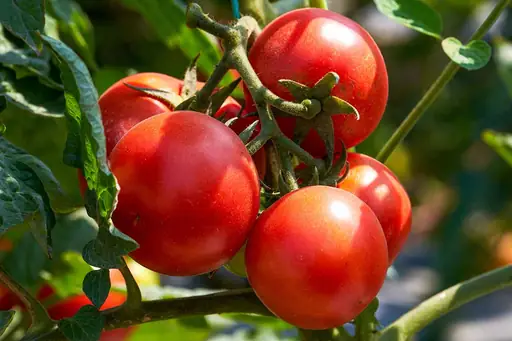
Birdwatching is a joy until you catch those feathered friends pecking at your tomatoes.
While their playful antics and melodic songs are usually a delight, for gardeners, birds can quickly turn from charming to troublesome when ripe fruit is on the vine.
Common culprits like blue jays, cardinals, catbirds, crows, mockingbirds, orioles, robins, starlings, quail, and waxwings will all take a stab at your tomatoes.
Often, they’re more interested in the moisture than the fruit itself, but that distinction doesn’t matter much when you’re left with damaged produce and a reduced harvest.
Fortunately, there are effective ways to protect your crop.
In this guide, we’ll cover how to keep birds out of your vegetable patch so you can enjoy the fruits of your labor – literally.
Here’s what we’ll cover:
What You’ll Learn
Offer Alternate Food and Water Sources
Harvest Early
Netting
Scare Tactics
What Doesn’t Work
Don’t assume that every bird visiting your tomatoes is there for the fruit. Many species, like swallows, sparrows, flycatchers, and nighthawks, are insectivores.
They’re likely hunting for caterpillars, beetles, and other critters that can wreak havoc on your plants.
If you see these bug-eating birds hanging around, let them be. They’re doing you a favor by providing natural pest control.
There are lots of myths out there about how to keep winged invaders away, and we’ll discuss whether or not they’re effective.
But first, let’s talk about the methods that actually work.
Offer Alternate Food and Water Sources
Birds are an essential part of a healthy garden ecosystem and ideally, you want them around. But while their presence is welcome, their interest in your crops isn’t.
The best way to redirect their attention is to provide alternative food and water sources.
Between fruiting trees like fig, apple, and pear, blackberry bushes, pest-rich planting beds, and feeders stocked with dried fruit and nuts, there’s no shortage of appealing options.
Think of it this way: if you offer both broccoli and chocolate cake, most folks are going for the cake. Our avian friends are no different.
They’ll skip the tomatoes if there’s something more enticing available.
It’s also worth remembering that most birds primarily eat insects. Many like to supplement their diets with easy-to-eat fruits and nuts and they’ll only peck at tomatoes as a last resort or when they’re thirsty.
A simple birdbath or even a shallow bowl of water refreshed regularly can go a long way toward keeping your harvest safe and your feathered visitors hydrated.
Harvest Early
Sometimes you just have to do what you have to do if the birds in your garden just won’t be dissuaded.
Since tomatoes will ripen off of the vine, you can pick them when they start to develop a little color and let them finish ripening indoors.
Put several of them in a paper bag to hasten the process.
Birds usually won’t eat green tomatoes, so if you’re seeing holes in those, I’d suspect they were caused by slugs before our flying friends.
Netting
Netting is the absolute best and most foolproof way to protect your plants. Our avian friends can’t poke holes in your fruits if they can’t reach them.
But I’m not a fan of the loosely-woven, very flimsy stuff.
Birds can become tangled up in it resulting in broken legs and wings, as well leaving them vulnerable to predators.
An animal trapped in netting can’t reach food or water and many die an unpleasant death.
In addition to harming birds, squirrels, mice, rabbits, and other small animals can get caught in it as well.
If you’re going to use netting, either use a product that is so tightly woven that birds won’t get caught in it, like mosquito netting or ultra-fine mesh, or make sure it’s firm and sturdy so it won’t tangle if an animal gets into it.
If you can fasten the mesh on a frame rather than draping it over your plants, even better. That way, when a bird lands on it, they won’t get tangled up.
I’ve had good luck with mesh from the Unves Store. It’s fine enough that animals aren’t going to get trapped, but it’s not so dense that it shades my plants.
Garden Netting
I prop it up using poles so it doesn’t touch my plants.
Scare Tactics
As we’ll discuss in a bit, immobile objects designed to scare birds don’t work.
A scarecrow or fake owl quickly becomes just another element in the yard. But objects that move can work, at least for a while.
Smarter species will figure out pretty quickly that these are nothing to fear, but you might buy yourself enough time to harvest your goodies.
Wind spinners, garlands with long streamers, and other items that will move in the wind can be scary enough to deter birds. You’re on your own on a windless day, though.
Sound deterrents can be effective. Commercial growers and college agricultural fields will use sound cannons to deter birds from their fields.
But these aren’t practical – or very neighborly – in the home garden.
A speaker that plays shouting, barking, or other loud sounds randomly and frequently can help.
Just be sure your neighbors are okay with it. Actually, make sure you’re fine with it, too.
I’d personally rather have a few spoiled tomatoes than obnoxious sounds that disturb my peace and quiet.
What Doesn’t Work
Now that we’ve covered what helps, let’s clear up what doesn’t.
Scarecrows, fake owls, and other static deterrents are largely useless. Birds quickly learn they pose no real threat.
I’ve watched crows and jays perch smugly on scarecrow arms, as if mocking the very idea.
Another popular myth involves hanging red, matte Christmas ornaments.
The theory goes that birds will mistake them for tomatoes, peck a few, realize they’re inedible, and avoid your actual fruit when it ripens.
This assumes a level of memory and logic most birds don’t apply, and that the same individuals will return weeks later and recall the deception.
Species like blue jays are notoriously persistent. Anyone who’s seen one raid a feeder knows they don’t quit after a few failed attempts.
And even if your decoy works for a time, what’s to stop a bird that’s enjoyed your neighbor’s tomatoes from sampling yours?
Other ineffective deterrents include strips of aluminum foil, recorded bird distress calls, and ultrasonic repellents. Save your time and money, these garden gimmicks don’t work.
More Tomatoes For Me!
I put too much time and care into growing my tomatoes to let the local wildlife beat me to the harvest.
While I prefer to keep the birds happy with plenty of alternative treats so they don’t even glance at my tomatoes, that’s not always enough.
When that fails, you’ve still got other effective options to keep your crop safe.
What kind of birds are visiting your plants and what methods do you intend to use to keep them from sharing your harvest? Share your thoughts in the comments section below!
And for more information about growing tomatoes in your garden, have a read of these guides next:
- How to Grow and Care for Tomatoes in Your Garden
- 7 Reasons Why Tomato Plants Flower But Fail to Fruit
- 21 of the Best Tomato Companion Plants (And 3 to Avoid)
- Facebook4
- X




질문 및 토론