
How to Protect Rosemary Plants in Winter
If you have rosemary growing in your garden, you might be wondering if it can survive the winter outside. Fortunately, there are measures you can take to protect your plants from the cold, and have them come back healthy and vigorous in spring. In our guide to growing rosemary, we cover how to.
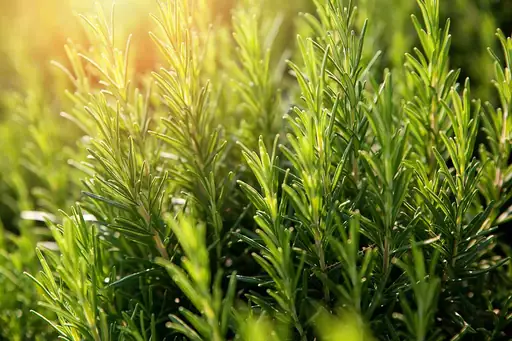
If you have rosemary growing in your garden, you might be wondering if it can survive the winter outside.
Fortunately, there are measures you can take to protect your plants from the cold, and have them come back healthy and vigorous in spring.
In our guide to growing rosemary, we cover how to cultivate this aromatic herb in your garden.
Let’s see what we can do to protect our plants through the cold season, so they return healthy and productive come spring.
Here’s what I’ll cover:
What You’ll Learn
Plant Hardiness Zones
Protecting Plants from the Elements
Potting-Up to Bring Indoors
Plant Hardiness Zones
A big factor in determining if your rosemary will survive the winter outdoors is your USDA Plant Hardiness Zone.
This herb is usually fine in the garden during the cooler weather in Zones 8 to 12.
However, if you live in Zone 7 or below, it’s quite possible your plants will die if you leave them outside during the cold season.
Protecting Plants from the Elements
If you live on the edge of rosemary’s winter survival range, in Zone 8 or 9, you’ll need to provide extra protection for your plants if you want them to overwinter outdoors.
One option is to cover them with floating row covers. This can act as a blanket and keep the air temperatures around the plants a little higher.
To do this, drape the cover over your plants, making sure there are no gaps between the ground and the material.
Secure the cover at the sides with dirt, bricks, or other weights. Gather each end to close and then weigh them down.
Another option is to prune and mulch your plants right before temperatures dip below freezing.
Using pruning shears, cut the green foliage down to about six inches tall.
Then cover the whole plant with a mulching material such as straw, leaf mold, or wood chips. This will provide protection from the drying wind and cold air.
Mulch also protects the soil from cycles of freezing and thawing, helping to keep soil temperatures stable.
This allows plants to stay dormant over the winter months without sustaining damage to their roots.
You can read more about mulching to protect plants in winter here.
Potting-Up to Bring Indoors
If you live in Zone 7 or below and your plants are growing in the ground outside, you’ll need to pot them up and take them indoors away from the cold.
You’ll need to dig up your plants before the first frost has a chance to do any damage.
So any time during the autumn you can move them into containers ready for the winter.
To dig up rosemary, you’ll need a shovel. In order to keep the plant healthy, it needs a large intact root ball.
Depending on the age of the plant, it can develop quite an extensive root system, and the more of this you can keep, the better.
Dig at least six inches away from the main stem.
Continue moving around the plant until you have a circle that is a least a foot in diameter and a foot deep, depending on the size of your plant.
Carefully lift the plant and the root ball out of the ground, shake off some of the excess soil and place it in a large container. Add soil around the root ball and pat down gently.
Leave the plant outside for a few days to acclimate to its new container, provided there is no frost in the forecast.
A sheltered spot on a patio or balcony would be ideal. Alternatively, if you’ve got some bad weather on the way, a garage or basement would keep it safe from the elements.
You can then move it inside.
It’s best to keep the plant in a location where the temperature is above freezing, but not too hot.
A lightly heated garage or hallway is a good option, as warm indoor air can cause the plant to dry out.
Rosemary likes a bit of humidity, so gentle misting of the foliage can help keep the air around it moist.
Water lightly about once a week. Make sure you don’t overwater, as rosemary hates sitting in wet soil.
Growth will slow right down over the winter, but there’s a chance you can still harvest a few of the leaves.
Once the temperatures start to warm up, you can move your pot outside during the day to gradually acclimate the plant to the outdoors.
When all risk of frost has passed, you can either choose to replant it in the garden, or keep it growing in the container.
Rosemary for the Spring
If you follow the methods listed above, you’ll give your rosemary the best chance of surviving the winter.
Once spring arrives, you’ll have a fresh supply of this fragrant herb.
Let us know in the comments if you have any questions about protecting your plants.
And for more information about growing rosemary, check out some more of our guides such as:
- The Best Cold Hardy Rosemary Varieties
- How to Care for a Rosemary Christmas Tree
- How to Propagate Rosemary Plants
- Facebook78
- X




질문 및 토론