

이 페이지는 원문으로 표시됩니다. 번역본은 아직 제공되지 않았습니다.
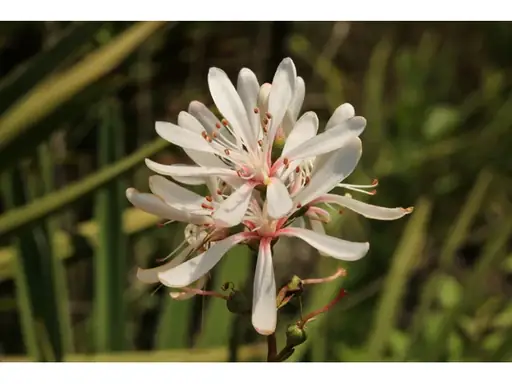
시드선 셀렉션
Bejaria (Befaria) racemosa
SKU: BEJA-BEFA-RACE-01G
Bejaria racemosa, the tarflower, is one of the odd and lovely surprises of the Florida scrub, a heath-family shrub that looks nothing like the rest of the clan. Where blueberries and azaleas carry small, fused, bell-shaped blooms, tarflower opens wide flowers of seven separate petals, white to soft.
맞춤 견적을 요청하세요
가격, 포장 크기 및 재고 여부는 개별 견적서에서 확인하실 수 있습니다. 문의를 보내는 것만으로는 유료 주문이 접수되지 않습니다.
재배 적합성, 파종 및 재배 요건에 대해 문의하십시오.
견적서에서 배송 옵션과 필요 서류를 확인하세요.
이 품종에 대하여
Bejaria racemosa, the tarflower, is one of the odd and lovely surprises of the Florida scrub, a heath-family shrub that looks nothing like the rest of the clan. Where blueberries and azaleas carry small, fused, bell-shaped blooms, tarflower opens wide flowers of seven separate petals, white to soft pink and sweetly fragrant, held in loose summer racemes. The genus honors the eighteenth-century Spanish botanist Jose Bejar, and though older books spell the name Befaria, botanists have since settled on Bejaria.
The common names tarflower and flycatcher come from the plant's strangest habit. The buds, young twigs, and flowers are coated in a sticky, resinous film that catches small insects like flypaper, and whether the shrub draws any nourishment from the trapped visitors or simply fends off nectar thieves is a question botanists still debate. Either way, the large native bees strong enough to work the blooms pass freely, doing the real business of pollination while ants and small flies stay stuck at the door.
Tarflower belongs to the fire-shaped scrub and sandy pine flatwoods of Florida and the neighboring Deep South, thriving on lean, acid sand where richer soil and standing water would spell trouble. Like the blueberries and azaleas nearby, the plant depends on sharp drainage and an acid root run, and repays those conditions with fragrant summer flowers and a quietly picturesque, often twisting form. Bees, butterflies, and at least one native moth make use of the plant through the season.
Seldom offered in the trade and famously particular about transplanting, tarflower is a collector's shrub and a conversation piece for the native, xeric, or pollinator garden. Give Bejaria racemosa full sun to light shade and very sandy, sharply drained, acid soil, and resist the urge to pamper the roots. Sited well, this uncommon Florida native rewards the patient gardener with sticky, seven-petaled, honey-scented flowers found on nothing else in the border.
더 많은 것을 발견해 보세요



질문 및 토론