

이 페이지는 원문으로 표시됩니다. 번역본은 아직 제공되지 않았습니다.
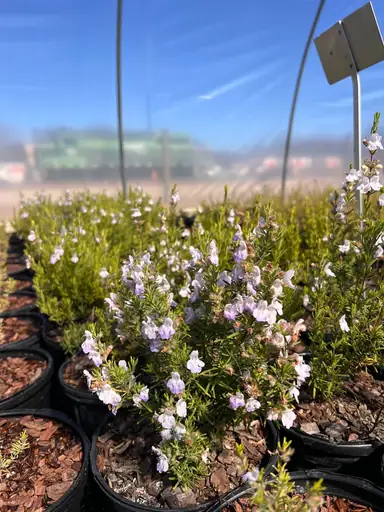
시드선 셀렉션
Conradina canescens
SKU: CONR-CANE-01G
The conradinas are dense, aromatic, low shrubs of the mint family, dressed in small, usually needle-like green or gray leaves and hung with little pale purple flowers. Six or seven species grow wild in the southern United States, most of them in Florida on sand or very sandy soil, and the genus.
맞춤 견적을 요청하세요
가격, 포장 크기 및 재고 여부는 개별 견적서에서 확인하실 수 있습니다. 문의를 보내는 것만으로는 유료 주문이 접수되지 않습니다.
재배 적합성, 파종 및 재배 요건에 대해 문의하십시오.
견적서에서 배송 옵션과 필요 서류를 확인하세요.
이 품종에 대하여
The conradinas are dense, aromatic, low shrubs of the mint family, dressed in small, usually needle-like green or gray leaves and hung with little pale purple flowers. Six or seven species grow wild in the southern United States, most of them in Florida on sand or very sandy soil, and the genus carries an unusual weight of rarity: four species are federally listed, C. brevifolia, C. etonia and C. glabra as endangered and C. verticillata as threatened, with two more carrying state protection in Florida. Conradina canescens is the exception and the common one, a somewhat variable plant of the Gulf Coast dunes of northwest Florida and adjacent Alabama and Mississippi.
The species holds the back slope of the primary dunes and any face of the secondary dunes, and runs inland into sand pine scrub and dry longleaf pineland, from Escambia County east to Wakulla. Pale lavender flowers with dark purple spotting on the lower lip open from March into November, heaviest in spring, and native bees work them throughout. The plant burns to the ground in a fire and comes back from seed, which is exactly the arrangement the whole sandhill flora has arrived at. Beach mice shelter in the mounds, and a specialist plant bug lives on the woody mints and almost nothing else.
Canescens means turning white, for the fine gray pubescence over leaves and flowers, and the genus honors Solomon White Conrad, 1779 to 1831, a Philadelphia printer and bookseller who lectured in mineralogy and ended as professor of botany at the University of Pennsylvania. Gray false rosemary would grace an herb garden handsomely and looks the part, though nothing in the literature documents a culinary or medicinal tradition for any Conradina, and we would not invent one. The foliage is rich in camphor and 1,8-cineole and is a documented natural source of ursolic acid, which accounts for both the resinous scent and the habit this shrub has of chemically discouraging close neighbors.
Site gray false rosemary where the fine gray foliage and pale flowers can be read up close: a rock or gravel garden, a hot sunny bank, a sandy coastal bed, or the front of a dry border, among other sun-and-drought lovers that will not crowd the low mound. Full sun, sharp drainage, and lean sand; drought tolerant once established and a natural for xeriscape and low-water planting. Deer pass the aromatic leaves by. Nursery-grown plants are softer than wild ones and appreciate a season of shelter before facing open coastal wind.
Learn more about the Conradina genus here.
Photo courtesy of Alan Cressler.
더 많은 것을 발견해 보세요



질문 및 토론