

이 페이지는 원문으로 표시됩니다. 번역본은 아직 제공되지 않았습니다.
시드선 셀렉션
Daphniphyllum calycinum
SKU: DAPH-CALY-01G
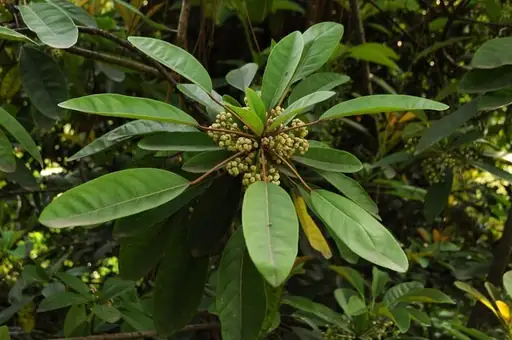
Daphniphyllum calycinum is a bold evergreen shrub that looks, at a glance, like a rhododendron, though the two are unrelated. Handsome, leathery, oval leaves cluster toward the branch tips, deep green above and glaucous, almost bluish-white beneath, giving the plant an exotic, architectural.
맞춤 견적을 요청하세요
가격, 포장 크기 및 재고 여부는 개별 견적서에서 확인하실 수 있습니다. 문의를 보내는 것만으로는 유료 주문이 접수되지 않습니다.
재배 적합성, 파종 및 재배 요건에 대해 문의하십시오.
견적서에서 배송 옵션과 필요 서류를 확인하세요.
이 품종에 대하여
Daphniphyllum calycinum is a bold evergreen shrub that looks, at a glance, like a rhododendron, though the two are unrelated. Handsome, leathery, oval leaves cluster toward the branch tips, deep green above and glaucous, almost bluish-white beneath, giving the plant an exotic, architectural presence in the shade garden. Grown almost entirely for that striking foliage, this is a shrub for the collector rather than the crowd, and one virtually unknown in North American gardens.
The plant belongs to the Daphniphyllaceae, a small family with a single genus, and the name Daphniphyllum simply means Daphne-leaf, for foliage that recalls the laurels. Like the rest of the genus, this species is dioecious, carrying male and female flowers on separate plants, so a pair is needed for the small, glaucous, blue-black fruits to follow. The flowers themselves are quiet, greenish and without petals, opening in spring; the leaves are the whole point.
Native to the hills and forest margins of southern China and northern Vietnam, Daphniphyllum calycinum is a genuine rarity in Western horticulture, offered by only a handful of specialist nurseries and seldom seen on this side of the world. That scarcity, together with the bold, glaucous-backed foliage, is exactly the draw for the collector. Reddish leaf-stalks and new growth add a further quiet flourish to the evergreen frame.
Grow Daphniphyllum calycinum much as a rhododendron, in part to full shade and moist, well-drained, humus-rich, acidic soil, sheltered from harsh sun and wind. Slow-growing and evergreen, the shrub makes a bold-textured anchor for a woodland or shade planting where something out of the ordinary is wanted. The plant contains alkaloids and should be regarded as toxic if eaten, a point worth noting though the foliage is the reason to grow it.
더 많은 것을 발견해 보세요



질문 및 토론