

이 페이지는 원문으로 표시됩니다. 번역본은 아직 제공되지 않았습니다.
시드선 셀렉션
Heimia salicifolia
SKU: HEIM-SALI-01G
Heimia salicifolia is an airy, fine-textured shrub that carries a surprising amount of history in a modest frame. Slender willow-like leaves clothe the arching stems, and from midsummer into fall small, bright yellow, five-petaled flowers open in the leaf axils all along the branches, each followed.
맞춤 견적을 요청하세요
가격, 포장 크기 및 재고 여부는 개별 견적서에서 확인하실 수 있습니다. 문의를 보내는 것만으로는 유료 주문이 접수되지 않습니다.
재배 적합성, 파종 및 재배 요건에 대해 문의하십시오.
견적서에서 배송 옵션과 필요 서류를 확인하세요.
이 품종에 대하여
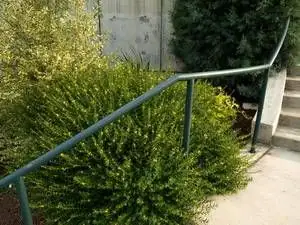
Heimia salicifolia is an airy, fine-textured shrub that carries a surprising amount of history in a modest frame. Slender willow-like leaves clothe the arching stems, and from midsummer into fall small, bright yellow, five-petaled flowers open in the leaf axils all along the branches, each followed by a little dry seed capsule. The overall effect is light and gauzy, a soft yellow haze rather than a bold splash, and the plant grows fast and multi-branched into a rounded, four-to-eight-foot mound.
The botany holds a couple of pleasant surprises. The genus honors Ernst Ludwig Heim, an eighteenth-century German physician and naturalist, and the species name salicifolia simply means willow-leaved. Though the habit and yellow bloom recall Hypericum, the St. John's worts, Heimia in fact belongs to the Lythraceae, the loosestrife family, and counts crepe myrtle and henna among the closer relatives. The native range is broad and warm, running from the southern United States through Mexico and Central America into South America, wherever sun and moisture meet.
What sets this shrub apart is a deep and slightly uncanny ethnobotanical record. Across Mexico the leaves are the source of sinicuichi, also called sun opener, a preparation the Aztecs and later peoples made by crushing and lightly fermenting the foliage in water and sun. Taken traditionally, the drink was reputed to bring a mild euphoria, a curious yellowing of vision, and vivid auditory effects, the shifting of sound that earned the sun-opener name. Alongside that visionary reputation runs a genuine medicinal tradition: the plant has served as a tonic, diuretic, and wound remedy, and laboratory work has found the alkaloids, chiefly vertine, to be capable anti-inflammatories, which lends the old uses some modern weight.
In the garden, treat Heimia salicifolia as a heat-loving, sun-loving shrub for a pollinator planting, an ethnobotanical or collector's bed, or a hot, well-drained border, where the fine foliage and long yellow season earn a place among tougher companions. Give full sun and moderately moist, well-drained soil; the plant asks little once established and takes drought in stride. In colder gardens grow the shrub as a tender perennial that dies back and returns, or overwinter a plant in a pot under cover. Handsome and easy, and worth siting where the story can be told. A note of caution: the fermented leaf preparation is genuinely psychoactive and can be toxic in quantity, so grow the plant for beauty and interest rather than experiment.
더 많은 것을 발견해 보세요



질문 및 토론