

이 페이지는 원문으로 표시됩니다. 번역본은 아직 제공되지 않았습니다.
시드선 셀렉션
Hibiscus coccineus ‘Lone Star’
SKU: HIBI-COCC-LONE-STAR-01G
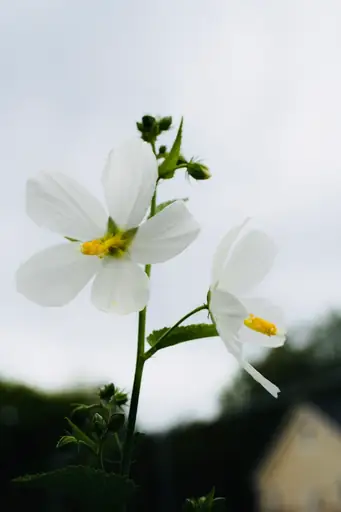
Hibiscus coccineus 'Lone Star' is the pure white form of the scarlet rose mallow, and the change of color changes everything. Where the wild species blazes red, 'Lone Star' opens great five-pointed stars of clean, luminous white, five to seven inches across, glowing against deep green, finely cut.
맞춤 견적을 요청하세요
가격, 포장 크기 및 재고 여부는 개별 견적서에서 확인하실 수 있습니다. 문의를 보내는 것만으로는 유료 주문이 접수되지 않습니다.
재배 적합성, 파종 및 재배 요건에 대해 문의하십시오.
견적서에서 배송 옵션과 필요 서류를 확인하세요.
이 품종에 대하여
Hibiscus coccineus 'Lone Star' is the pure white form of the scarlet rose mallow, and the change of color changes everything. Where the wild species blazes red, 'Lone Star' opens great five-pointed stars of clean, luminous white, five to seven inches across, glowing against deep green, finely cut foliage and all the more striking in the soft light of evening. The same tall, architectural native frame carries a cooler, more serene presence.
The selection has a name and a maker. 'Lone Star' was introduced by the Houston plantswoman Heidi Sheesley of Treesearch Farms, who spotted and selected this white-flowered form out of the native scarlet swamp mallow, then brought the plant into the trade. A garden selection of a tough American wetland native, 'Lone Star' pairs cultivated refinement with wild resilience.
The plant is a true mallow of the Malvaceae, native in origin to the swampy soils of the southeastern United States, and behaves just as vigorously as the red species. Strong, upright stems reach six to eight feet, clothed in the deeply cut, palmate leaves that give the whole tribe a tropical, almost hand-shaped look. The blooms open in steady succession from mid-summer into early fall, each lasting a day, and draw hummingbirds, bees, and butterflies to the white stars.
In the garden, use 'Lone Star' at the back of a perennial border, at the edge of a pond or water feature, in a rain garden, or as a luminous focal point where the white flowers can catch evening light. The plant favors full sun and moist, well-drained ground, and though happiest with steady moisture, shows a fair drought tolerance once established. Pair with other moisture-lovers and late bloomers, give room for the tall stems, and cut the frost-killed tops to the ground in late winter.
더 많은 것을 발견해 보세요



질문 및 토론