

이 페이지는 원문으로 표시됩니다. 번역본은 아직 제공되지 않았습니다.
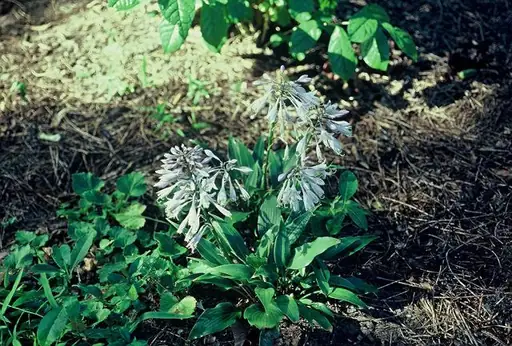
시드선 셀렉션
Hosta longipes 'Tardiflora'
SKU: HOST-LONG-TARD-01G
Hosta 'Tardiflora' announces the best trait in the name itself: tardiflora means late-flowering, and this small Japanese hosta is very nearly the last of the tribe to bloom, lifting lavender flowers in fall when most hostas have already finished and begun to tire. The plant traces back to the wild.
맞춤 견적을 요청하세요
가격, 포장 크기 및 재고 여부는 개별 견적서에서 확인하실 수 있습니다. 문의를 보내는 것만으로는 유료 주문이 접수되지 않습니다.
재배 적합성, 파종 및 재배 요건에 대해 문의하십시오.
견적서에서 배송 옵션과 필요 서류를 확인하세요.
이 품종에 대하여
Hosta 'Tardiflora' announces the best trait in the name itself: tardiflora means late-flowering, and this small Japanese hosta is very nearly the last of the tribe to bloom, lifting lavender flowers in fall when most hostas have already finished and begun to tire. The plant traces back to the wild Hosta longipes, the long-stalked giboshi of Japan's rocky mountain slopes, where the species clings to cliffs and streambanks; 'Tardiflora' is a distinct, late seedling form long grown as a garden plant in its own right.
The plant is a study in neatness. Small, lance-shaped leaves of a deep, glossy green build a tight, low mound barely a foot high, each leaf carried on a petiole flushed with red at the base. Where big blue hostas sprawl and, at the first cold night of autumn, collapse into mush, 'Tardiflora' stays crisp and shapely well into fall, holding form just as the flowers arrive. The glossy leaf surface also sheds water and shrugs off much of the tattering that plagues thinner-leaved hostas.
That combination of late bloom and tidy substance made 'Tardiflora' a prize in the hands of breeders. In England, Eric Smith crossed the plant with the blue-leaved Hosta 'Elegans' to found the celebrated Tardiana group, the source of many of the best small blue hostas in gardens today, including old favorites like 'Halcyon'. For a plant so modest in stature, 'Tardiflora' casts a long shadow across the modern hosta world, standing quietly behind a whole lineage of garden selections.
In Japan, hostas are more than ornament: the tightly furled spring shoots of several species, known as urui, are gathered and eaten as a seasonal vegetable, a reminder that these shade plants have long shared human ground. In the garden, put 'Tardiflora' to work at the front of a shady bed, as edging along a woodland path, or in a tight drift where the fall flowers and glossy leaves close out the season. Ferns, small sedges, and epimediums make easy companions, and the late lavender scapes give bees one more visit before frost. Slugs and deer both admire hostas, so a sharp-draining site and a watchful eye help keep the mound pristine.
더 많은 것을 발견해 보세요



질문 및 토론