

이 페이지는 원문으로 표시됩니다. 번역본은 아직 제공되지 않았습니다.
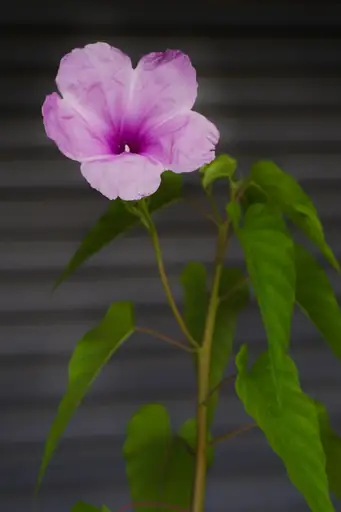
시드선 셀렉션
Ipomoea fistulosa
SKU: IPOM-FIST-01G
Seen from across a summer garden, Ipomoea fistulosa could pass for one of the great perennial hibiscus, a big soft-wooded bush hung with pink funnels. Look closer and the flowers give the game away: these are true morning glories, five-petaled trumpets in shell to lavender-pink with a deeper.
맞춤 견적을 요청하세요
가격, 포장 크기 및 재고 여부는 개별 견적서에서 확인하실 수 있습니다. 문의를 보내는 것만으로는 유료 주문이 접수되지 않습니다.
재배 적합성, 파종 및 재배 요건에 대해 문의하십시오.
견적서에서 배송 옵션과 필요 서류를 확인하세요.
이 품종에 대하여
Seen from across a summer garden, Ipomoea fistulosa could pass for one of the great perennial hibiscus, a big soft-wooded bush hung with pink funnels. Look closer and the flowers give the game away: these are true morning glories, five-petaled trumpets in shell to lavender-pink with a deeper throat, carried in loose clusters above broad, bright green leaves. Better known to botanists as Ipomoea carnea subspecies fistulosa, the bush morning glory breaks the family mold by climbing nothing at all, standing instead as an upright shrub six to ten feet tall.
The species hails from the seasonally wet lowlands of tropical South America, Brazil and the neighboring countries, where the plant colonizes ditches, riverbanks, and pond margins with cheerful speed. That vigor has carried the bush morning glory around the warm world as an ornamental and, more practically, as a living fence: set as cuttings in a row, the fast, pithy stems knit into a flowering hedge in a single season. Gardeners in the Deep South have long grown the plant for the same reason, a quick, generous mass of tropical color through the hottest months when many borders flag.
For all the charm, the bush morning glory carries a serious reputation, and honesty serves the gardener better than romance here. Every part of the plant is poisonous, holding the alkaloid swainsonine, produced by a fungal partner living in the tissues, along with related calystegines, and the leaves and seeds can accumulate selenium besides. Livestock that graze the plant in the South American homeland develop a slow, ruinous poisoning that damages the nervous system, and goats prove especially vulnerable. None of this troubles an ornamental planting kept away from grazing animals, but the plant belongs well clear of pastures, and the foliage should never be offered to stock.
In the ornamental garden the bush morning glory wants sun, space, and rich, moist soil, and repays all three with a fast tropical presence at the back of a bed or along a pond edge. In zones 8 and 9 the top growth is killed by frost, and the method for carrying the crown through winter is worth following: after frost blackens the stems, cut the plant back, mound about ten inches of coarse sand over the stubs, and mulch over that with pine straw. As the weather warms, pull the covering away so the new shoots can rise, and given water and feeding the plant will build to a full summer show once more. Photo courtesy of Allan Boatman.
더 많은 것을 발견해 보세요



질문 및 토론