

이 페이지는 원문으로 표시됩니다. 번역본은 아직 제공되지 않았습니다.
시드선 셀렉션
Iris sanguinea
SKU: IRIS-SANG-01Q
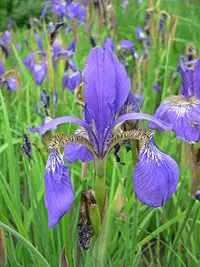
There is a small lie in the name. Sanguinea means blood, and yet the iris in front of you is blue, or blue running toward violet, with only a wine-dark deepening in the falls to argue the case. The botanists felt the strain too: Carl Thunberg first tried to file the plant as Iris orientalis in.
맞춤 견적을 요청하세요
가격, 포장 크기 및 재고 여부는 개별 견적서에서 확인하실 수 있습니다. 문의를 보내는 것만으로는 유료 주문이 접수되지 않습니다.
재배 적합성, 파종 및 재배 요건에 대해 문의하십시오.
견적서에서 배송 옵션과 필요 서류를 확인하세요.
이 품종에 대하여
There is a small lie in the name. Sanguinea means blood, and yet the iris in front of you is blue, or blue running toward violet, with only a wine-dark deepening in the falls to argue the case. The botanists felt the strain too: Carl Thunberg first tried to file the plant as Iris orientalis in 1794, found that name already taken, and the species waited until 1813 for the one carried since. The Japanese never bothered with Latin. To them the flower is ayame, one of the three irises of early summer, threaded through a thousand years of poetry and arriving in that uncertain seam where the old poets could never quite agree whether spring had ended or summer begun.
Tell the species from the familiar Siberian iris by the stems: sanguinea carries the flowers on a single unbranched stalk, sibirica branches. The two run so close that most of the garden Siberians you can buy are crosses between them, and close enough that taxonomists keep threatening to fold one wholly into the other. Either way you get narrow gray-green blades, slim and upright, and reddish-purple flowers held just above the foliage in late spring.
A plant of wet Asian meadows, wanting sun or a little shade and ground that stays damp, the blood iris repays a pond edge or a low moist border by thickening, season on season, into a generous clump. Blue with a rumor of blood, and worth growing for the argument alone.
더 많은 것을 발견해 보세요



질문 및 토론