

이 페이지는 원문으로 표시됩니다. 번역본은 아직 제공되지 않았습니다.
시드선 셀렉션
Lagerstroemia fauriei
SKU: LAGE-FAUR-01G
Among crape myrtles, Lagerstroemia fauriei is the aristocrat grown as much for bark as for bloom. A small, multi-stemmed, deciduous tree from Yakushima Island in southern Japan, first brought to botanical attention in the 1950s, the species reaches a graceful twenty-five to thirty-five feet with a.
맞춤 견적을 요청하세요
가격, 포장 크기 및 재고 여부는 개별 견적서에서 확인하실 수 있습니다. 문의를 보내는 것만으로는 유료 주문이 접수되지 않습니다.
재배 적합성, 파종 및 재배 요건에 대해 문의하십시오.
견적서에서 배송 옵션과 필요 서류를 확인하세요.
이 품종에 대하여
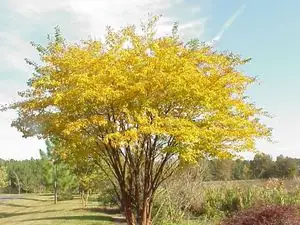
Among crape myrtles, Lagerstroemia fauriei is the aristocrat grown as much for bark as for bloom. A small, multi-stemmed, deciduous tree from Yakushima Island in southern Japan, first brought to botanical attention in the 1950s, the species reaches a graceful twenty-five to thirty-five feet with a rounded, vase-shaped crown. The summer flowers are white, carried in airy terminal panicles that are smaller and more delicate than the heavy trusses of the familiar Lagerstroemia indica.
The real glory arrives on the trunks. As the tree matures, the smooth bark exfoliates in thin flakes to reveal a glowing patchwork of cinnamon, copper, and mahogany, a feature that only deepens with age and turns the winter garden into a quiet spectacle. Set where low sun can catch the trunks, a well-grown specimen earns a place for the bark alone, flowers or no flowers.
Beyond beauty, Lagerstroemia fauriei carries real horticultural importance. Prized for strong resistance to the powdery mildew that plagues older crape myrtles, the species became a cornerstone of Dr. Donald Egolf's breeding program at the U.S. National Arboretum, where crosses with Lagerstroemia indica produced the celebrated National Arboretum hybrids, among them the enduringly popular 'Natchez'. may well have been the first nursery to offer Lagerstroemia fauriei to the American gardening public.
In the garden, give this crape myrtle an open, sunny site with well-drained soil and room for the multiple trunks to spread and show, as a lawn specimen, a patio tree, or an anchor at the corner of a bed. The white summer flowers, the disease resistance, and above all the copper bark reward a spot where the tree can be seen from every side and enjoyed through all four seasons. Underplant lightly, if at all, so nothing hides the trunks.
더 많은 것을 발견해 보세요



질문 및 토론