

이 페이지는 원문으로 표시됩니다. 번역본은 아직 제공되지 않았습니다.
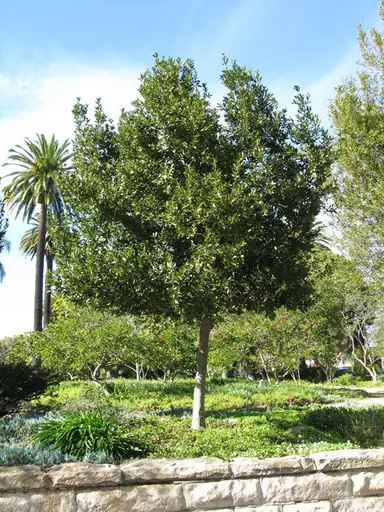
시드선 셀렉션
Laurus nobilis
SKU: LAUR-NOBI-01G
No plant carries a heavier freight of story than Laurus nobilis, the bay laurel of the Mediterranean and the original laurel of the victor's crown. The genus name is simply the classical Latin for the tree, and the epithet nobilis means noble or renowned, a fair description of a plant whose leaves.
맞춤 견적을 요청하세요
가격, 포장 크기 및 재고 여부는 개별 견적서에서 확인하실 수 있습니다. 문의를 보내는 것만으로는 유료 주문이 접수되지 않습니다.
재배 적합성, 파종 및 재배 요건에 대해 문의하십시오.
견적서에서 배송 옵션과 필요 서류를 확인하세요.
이 품종에 대하여
No plant carries a heavier freight of story than Laurus nobilis, the bay laurel of the Mediterranean and the original laurel of the victor's crown. The genus name is simply the classical Latin for the tree, and the epithet nobilis means noble or renowned, a fair description of a plant whose leaves once crowned poets, athletes, and returning generals. The whole vocabulary of achievement still leans on this tree: a baccalaureate, a poet laureate, and the warning not to rest on one's laurels all trace back to the wreath of bay. In Greek myth the laurel was born of unrequited love, when the nymph Daphne, fleeing Apollo, was changed into a laurel tree by her father the river god; ever after the god wore the leaves in her memory, and the tree became sacred to him.
Bay laurel belongs to the laurel family, Lauraceae, in company with cinnamon, sassafras, and the avocado, and shares with those relatives a warm, aromatic resin held in every part. Left unpruned the plant becomes a dense evergreen tree of fine constitution, clothed year-round in dark, glossy, lance-shaped leaves. The species is dioecious, carrying male and female flowers on separate plants; the blooms are small and pale yellow-green, modest against the foliage, and on a female tree near a male they give way to shining black berries, each holding a single seed. Every leaf is rich in aromatic oils, which is the whole point of the tree in the kitchen.
Those oils have flavored food since antiquity, and a bay leaf still deepens the stews, stocks, and sauces of cooks who inherited the habit from Greek and Roman kitchens. Because this is a plant destined for the pot, how the tree is grown matters. Here at the bay laurel is raised without glyphosate, synthetic herbicides, or any practice that would compromise the safety or edibility of a culinary plant. What you receive is a tree raised with intention, safe for the kitchen, safe for the pollinators that visit the flowers, and safe for the ground the tree grows in.
In the garden the bay laurel is as much sculpture as seasoning. The plant accepts shearing with unusual grace and has been clipped into standards, cones, and formal topiary since Renaissance gardeners first set a matched pair in pots beside a doorway. Grown in the ground in mild zones the tree holds a tidy line and greets winter in unbroken green; where the cold bites harder, the bay makes a superb container plant that can summer outdoors and shelter indoors through frost. Bay recalls the kitchen plots of old Southern gardens and the herb borders tucked behind cottages, tended by hands that understood both sustenance and beauty, and the plant deserves a central spot once more, for flavor and for form alike.
Give the bay laurel full sun to light shade and a well-drained, neutral soil, and the tree asks for little beyond an occasional trim to shape. Patience is the only real requirement, since bay grows at a measured pace, but the reward is a living larder and a piece of evergreen architecture that can outlast the gardener. Additional photos courtesy of Cal Poly.
더 많은 것을 발견해 보세요



질문 및 토론