

이 페이지는 원문으로 표시됩니다. 번역본은 아직 제공되지 않았습니다.
시드선 셀렉션
Liatris spicata
SKU: LIAT-SPIC-01G
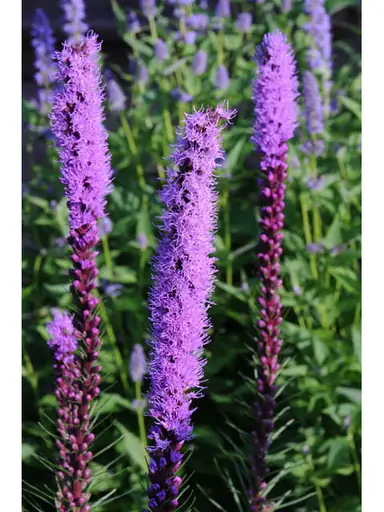
Liatris spicata, the blazing star or gayfeather, sends up rockets of feathery purple in the heart of summer, one of the great vertical accents of the North American prairie. The species is native to the moist meadows, prairies, and wet savannas of eastern North America, where the flower spikes once.
맞춤 견적을 요청하세요
가격, 포장 크기 및 재고 여부는 개별 견적서에서 확인하실 수 있습니다. 문의를 보내는 것만으로는 유료 주문이 접수되지 않습니다.
재배 적합성, 파종 및 재배 요건에 대해 문의하십시오.
견적서에서 배송 옵션과 필요 서류를 확인하세요.
이 품종에 대하여
Liatris spicata, the blazing star or gayfeather, sends up rockets of feathery purple in the heart of summer, one of the great vertical accents of the North American prairie. The species is native to the moist meadows, prairies, and wet savannas of eastern North America, where the flower spikes once rose in their thousands among the tall grasses. Set against those horizontal sweeps of grass, the erect, bottlebrush spikes give any planting a jolt of structure and color.
Native American peoples knew the plant well, and not only for beauty. Various parts, especially the corm-like root, went into traditional remedies for swelling, sore throats, and digestive complaints, a history preserved in the old common name colic root. The dried foliage and roots were also valued for a faint vanilla scent as they cured. That medicinal tradition has largely faded from daily use, but the ecological generosity has not: the nectar-rich spikes feed bees, butterflies, and hummingbirds through midsummer, and the fluffy seed heads carry the show into fall as food for finches and other birds.
Blazing star grows from a rounded corm into a clump of narrow, grassy leaves, then throws up flower stalks two to four feet tall clothed almost to the base in bloom. Unusually among spike flowers, the blazing star opens from the top down, so the wands look their best for weeks. Full sun and well-drained soil suit the plant best, though gayfeather tolerates clay and sand and shrugs off drought once the deep roots take hold.
Plant blazing star in generous drifts for the fullest effect, threaded through switchgrass and little bluestem, or grouped in a sunny border with coneflower, black-eyed Susan, and mountain mint. The strong verticals read beautifully against rounded and airy neighbors, and the spikes cut well for the vase. Leave the seed heads standing into winter for the birds and for the quiet architecture they lend a resting garden. Photos courtesy of James Reveal.
더 많은 것을 발견해 보세요



질문 및 토론