

이 페이지는 원문으로 표시됩니다. 번역본은 아직 제공되지 않았습니다.
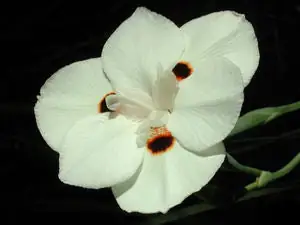
시드선 셀렉션
Dietes bicolor
SKU: DIET-BICO-01Q
The genus name Dietes comes from the Greek for "having two relatives," a botanist's nod to the plant's kinship with both Iris and Moraea, near neighbors in the iris family. The species epithet bicolor means simply two-colored, for the soft yellow petals brushed with a dark thumbprint at the base..
맞춤 견적을 요청하세요
가격, 포장 크기 및 재고 여부는 개별 견적서에서 확인하실 수 있습니다. 문의를 보내는 것만으로는 유료 주문이 접수되지 않습니다.
재배 적합성, 파종 및 재배 요건에 대해 문의하십시오.
견적서에서 배송 옵션과 필요 서류를 확인하세요.
이 품종에 대하여
The genus name Dietes comes from the Greek for "having two relatives," a botanist's nod to the plant's kinship with both Iris and Moraea, near neighbors in the iris family. The species epithet bicolor means simply two-colored, for the soft yellow petals brushed with a dark thumbprint at the base. Between the two words, the whole plant is named for doubleness: two kin, two colors.
Commonly called the African iris or fortnight lily, Dietes bicolor comes from the grasslands and streambanks of South Africa's Eastern Cape, where the fans of foliage weather drought, wind, and poor soil with unbothered grace. Early settlers were charmed by a habit of blooming in waves, a fresh flush arriving roughly every two weeks through the growing season, and that biweekly rhythm earned the fortnight lily the common name.
Each pale yellow flower, marked with brown-purple at the center, opens for a single day and is gone by evening, but the plant flowers so freely, on tall, branching stems, that the show never truly pauses from spring into fall. The habit made Dietes bicolor a favorite in early colonial gardens, and over the years the plant has traveled to warm-climate gardens around the world, valued equally in tended borders and rough, wild corners.
Toughness is the enduring appeal. Roots that evolved in Africa's lean, dry ground make Dietes bicolor a natural for water-wise plantings, and the sword-shaped evergreen leaves hold their crisp, upright form all year. Give the plant full sun to light shade, and expect a fountain of foliage topped for months by flowers that sway on the least breeze.
더 많은 것을 발견해 보세요



질문 및 토론