

이 페이지는 원문으로 표시됩니다. 번역본은 아직 제공되지 않았습니다.
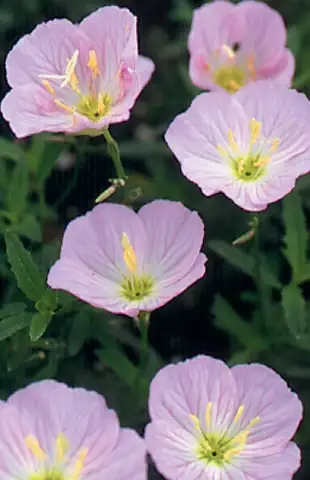
시드선 셀렉션
Pink Evening Primrose - Oenothera speciosa
SKU: 8871
Showy Pink Evening Primrose (Oenothera speciosa) is 1-2 inch 4 petaled pink cup-shaped flowers with pink to red veins. It spreads by stoloniferous rootstocks and seeds forming a groundcover. The large flowers are cup-shaped and showy, usually opening in the evening or cloudy days although in some.
맞춤 견적을 요청하세요
가격, 포장 크기 및 재고 여부는 개별 견적서에서 확인하실 수 있습니다. 문의를 보내는 것만으로는 유료 주문이 접수되지 않습니다.
재배 적합성, 파종 및 재배 요건에 대해 문의하십시오.
견적서에서 배송 옵션과 필요 서류를 확인하세요.
이 품종에 대하여
Showy Pink Evening Primrose (Oenothera speciosa) is 1-2 inch 4 petaled pink cup-shaped flowers with pink to red veins. It spreads by stoloniferous rootstocks and seeds forming a groundcover. The large flowers are cup-shaped and showy, usually opening in the evening or cloudy days although in some areas of the county they open during the day. Butterflies and bees are attracted to the nectar in the flowers. Members of the genus Oenothera support the following specialized bees: Melissodes (Apomelissodes) fimbriatus and Lasioglossum (Sphecodogastra) oenotherae. Seeds attract birds and small mammals.
Oenothera is a genus of about 145 species of herbaceous flowering plants native to the Americas. It is the type genus of the family Onagraceae. The genus Oenothera may have originated in Mexico and Central America, and spread farther north in North America and into South America. Common names include evening primrose, suncups, and sundrops. They are not closely related to the true primroses (genus Primula). The flowers of many species open in the evening, hence the name "evening primrose".
Vital details:
Size: 20” x 2-3’ at maturity
Light: Full Sun
Water: Average needs
Hardiness: 5-8
Pollinator value: Butterflies and bees are attracted to the nectar in the flowers. Members of the genus Oenothera support the following specialized bees: Melissodes (Apomelissodes) fimbriatus and Lasioglossum (Sphecodogastra) oenotherae. Seeds attract birds and small mammals.
Notable features: Pink flowers, native, attracts hummingbirds, attracts butterflies
Plant name: Pink Evening Primrose (Oenothera speciosa)
더 많은 것을 발견해 보세요



질문 및 토론