

이 페이지는 원문으로 표시됩니다. 번역본은 아직 제공되지 않았습니다.
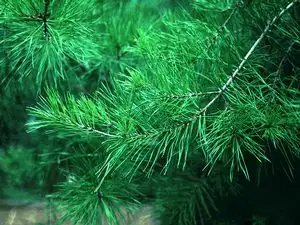
시드선 셀렉션
Pinus glabra
SKU: PINU-GLAB-01G
Almost everything about Pinus glabra argues against their being a pine at all. The bark is smooth and gray, close-grained, so like the bark of an oak or hickory that people walk straight past a mature one without taking the tree for a conifer; it is the single most reliable way to know the tree..
맞춤 견적을 요청하세요
가격, 포장 크기 및 재고 여부는 개별 견적서에서 확인하실 수 있습니다. 문의를 보내는 것만으로는 유료 주문이 접수되지 않습니다.
재배 적합성, 파종 및 재배 요건에 대해 문의하십시오.
견적서에서 배송 옵션과 필요 서류를 확인하세요.
이 품종에 대하여
Almost everything about Pinus glabra argues against their being a pine at all. The bark is smooth and gray, close-grained, so like the bark of an oak or hickory that people walk straight past a mature one without taking the tree for a conifer; it is the single most reliable way to know the tree. The needles are soft, short, and paired, a cool dark green, worn in a dense rounded crown rather than the open candelabra of their relatives. And most usefully, they tolerate shade. Where nearly every other southern pine demands full sun and open, burned ground, spruce pine settles happily into the wooded margins just above the bottomlands, growing in the understory beneath oaks, beech, and magnolia. They were named by Thomas Walter, the English-born botanist of the Santee whose Flora Caroliniana appeared in London in 1788, the year before he died; the epithet glabra, meaning smooth and hairless, marks those glabrous young twigs. Even the timber keeps its own counsel, drying at so different a rate from other southern pines that mills cannot season it in the same batch. This is a pine for the places pines aren't supposed to go: the shaded corner, the woodland edge, the spot where you wanted evergreen structure and assumed you couldn't have it. Once you can recognize one, you start wanting them everywhere the light runs thin.
더 많은 것을 발견해 보세요



질문 및 토론