

이 페이지는 원문으로 표시됩니다. 번역본은 아직 제공되지 않았습니다.
시드선 셀렉션
Quercus alba
SKU: QUER-ALBA-01G
Quercus alba, the white oak, is the grandfather of the eastern forest, a slow, massive, long-lived tree that can stand for centuries and outlast the people who plant them. The most famous of all was the Wye Oak of Wye Mills, Maryland, a single white oak that stood for more than four hundred and.
맞춤 견적을 요청하세요
가격, 포장 크기 및 재고 여부는 개별 견적서에서 확인하실 수 있습니다. 문의를 보내는 것만으로는 유료 주문이 접수되지 않습니다.
재배 적합성, 파종 및 재배 요건에 대해 문의하십시오.
견적서에서 배송 옵션과 필요 서류를 확인하세요.
이 품종에 대하여
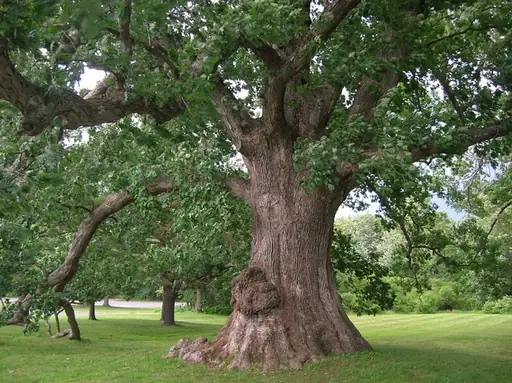
Quercus alba, the white oak, is the grandfather of the eastern forest, a slow, massive, long-lived tree that can stand for centuries and outlast the people who plant them. The most famous of all was the Wye Oak of Wye Mills, Maryland, a single white oak that stood for more than four hundred and sixty years and served as Maryland's state tree until a storm brought the giant down in 2002. The broad, rounded crown, the pale, scaly, ash-gray bark, and the deeply lobed, blue-green leaves are the picture most people carry of an oak.
No native tree has given more. White oak acorns are among the sweetest of the oaks, low enough in tannin that Native peoples across eastern North America gathered, leached, and ground them into a staple meal, and the acorns still feed deer, turkeys, squirrels, wood ducks, and jays every fall. The timber is legendary in its own right, tight-grained and watertight, the wood of ships, barrels, and bourbon casks; the very name white oak conjures the material as much as the tree.
The bark carried the medicine. Rich in tannins, white oak inner bark was one of the great astringents of Native American and settler herbalism, taken for looseness of the gut and gargled for a raw throat, and used externally as a wash for wounds and inflammation. The genus name Quercus is the old Latin for oak, and it hides a small piece of chemistry: quercetin, the antioxidant pigment first drawn from oak, is named for the tree. A fuller account of the traditional uses appears in the medicinal notes below.
In the garden, plant white oak for the long view, the way an earlier generation planted the trees now shading their grandchildren. Give an open, sunny site with deep, well-drained, slightly acid soil and plenty of room for a slow tree that can reach eighty feet and spread as wide, a lawn specimen, a park or estate tree, or the anchor of a native woodland. White oak resents having the roots disturbed once established, so site the tree carefully and let the roots settle undisturbed; underplant only at the outer dripline, and let a great oak become, over decades, the finest thing in the garden.
더 많은 것을 발견해 보세요



질문 및 토론