

이 페이지는 원문으로 표시됩니다. 번역본은 아직 제공되지 않았습니다.
시드선 셀렉션
Quercus chapmanii
SKU: QUER-CHAP-01G
This oak is named for a doctor who loved plants more than medicine. Alvan Wentworth Chapman practiced in Apalachicola, on the Florida panhandle, and botanized the Gulf coast so thoroughly that his Flora of the Southern United States, published in 1860, stood for decades as the book on the region's.
맞춤 견적을 요청하세요
가격, 포장 크기 및 재고 여부는 개별 견적서에서 확인하실 수 있습니다. 문의를 보내는 것만으로는 유료 주문이 접수되지 않습니다.
재배 적합성, 파종 및 재배 요건에 대해 문의하십시오.
견적서에서 배송 옵션과 필요 서류를 확인하세요.
이 품종에 대하여
This oak is named for a doctor who loved plants more than medicine. Alvan Wentworth Chapman practiced in Apalachicola, on the Florida panhandle, and botanized the Gulf coast so thoroughly that his Flora of the Southern United States, published in 1860, stood for decades as the book on the region's plants; this scrub oak carries his name in thanks.
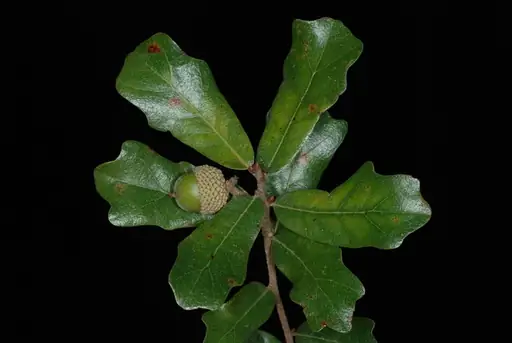
Quercus chapmanii is an oak of the deep coastal sands, the scrub and sandhills from South Carolina around to the Gulf, and the tree keeps to the white oak side of the family, with rounded, untoothed leaves rather than the bristled points of the red oaks. The leaves are glossy and obovate, oddly large and handsome for so dry a setting, and they hang on late, dropping only as the new ones push in spring, so Chapman oak reads as nearly evergreen through a mild winter.
Chapman oak stays modest, a large shrub or small tree, tough past the point of complaint about heat, drought, and salt. In the wild the tree is a fixture of Florida scrub, where the acorns feed jays, deer, and small mammals, and the low, twiggy thickets shelter the birds and gopher tortoises of that vanishing habitat.
Plant Chapman oak in sand and sun where you want glossy, near-evergreen structure and an honest piece of Gulf-coast botanical history in the bargain: a dry native or coastal planting, a sandy screen, or a low, characterful specimen on ground that defeats thirstier trees. Give sharp drainage and full sun, pair with other sandhill and scrub natives, and expect a slow, salt- and drought-proof shrub-oak that asks almost nothing once settled.
더 많은 것을 발견해 보세요



질문 및 토론