

이 페이지는 원문으로 표시됩니다. 번역본은 아직 제공되지 않았습니다.
시드선 셀렉션
Quercus laevis
SKU: QUER-LAEV-01G
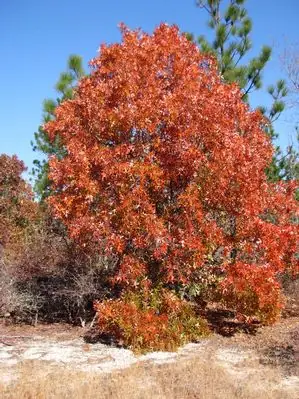
Turkey oak earns the name from the leaf, three-lobed and clawed and splayed exactly like the track a wild turkey leaves in sand, which is fitting, because sand is where these trees live. Quercus laevis is the signature oak of the deep sandhills, the droughty white-sand ridges of the longleaf.
맞춤 견적을 요청하세요
가격, 포장 크기 및 재고 여부는 개별 견적서에서 확인하실 수 있습니다. 문의를 보내는 것만으로는 유료 주문이 접수되지 않습니다.
재배 적합성, 파종 및 재배 요건에 대해 문의하십시오.
견적서에서 배송 옵션과 필요 서류를 확인하세요.
이 품종에 대하여
Turkey oak earns the name from the leaf, three-lobed and clawed and splayed exactly like the track a wild turkey leaves in sand, which is fitting, because sand is where these trees live. Quercus laevis is the signature oak of the deep sandhills, the droughty white-sand ridges of the longleaf country from the Carolinas to the Gulf, ground so poor and so hot that most trees simply decline the invitation.
They answer the heat with a trick worth knowing: the leaves hang vertically, turned edge-on to the midday sun, so the blade sheds the worst of the light instead of catching it, and the tree stays cool in a place that bakes. The species name laevis means smooth, for the glossy, hairless leaves, which turn a hard orange-red in November and hang on into the cold.
Turkey oaks make a small, often crooked, characterful tree rather than a shade giant, and they belong with the company they evolved beside; our journal has a piece on the longleaf sandhills and the art of planting with their restraint. In that fire-run country the acorns feed deer, turkey, and jays on ground that offers little else.
Give turkey oak deep sand, full sun, and no irrigation to speak of, and the tree will thrive precisely where you had given up on growing an oak at all. Use the tree as a small, sculptural specimen in a dry native or xeric garden, a sandhill restoration, or a hot bank, and pair with longleaf pine, wiregrass, and other sandhill natives. Sharp drainage is everything; the one thing turkey oak will not forgive is wet, heavy ground.
더 많은 것을 발견해 보세요



질문 및 토론