

이 페이지는 원문으로 표시됩니다. 번역본은 아직 제공되지 않았습니다.
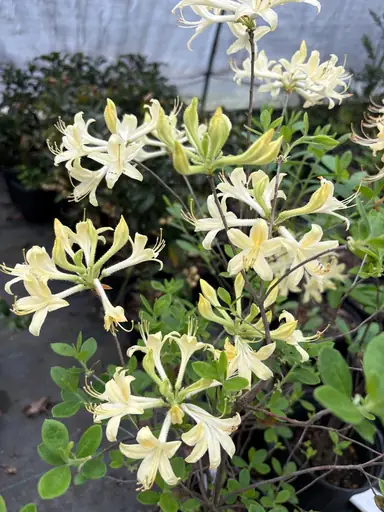
시드선 셀렉션
Rhododendron atlanticum x austrinum (Pale Yellow)
SKU: RHOD-ATLA-X-AUST-01G
This fragrant deciduous azalea is a garden cross between two native species, the low, glaucous-leaved coast azalea, Rhododendron atlanticum, and the golden Florida azalea, Rhododendron austrinum. From the first parent the hybrid inherits sweet fragrance and cool foliage; from the second, warmth of.
맞춤 견적을 요청하세요
가격, 포장 크기 및 재고 여부는 개별 견적서에서 확인하실 수 있습니다. 문의를 보내는 것만으로는 유료 주문이 접수되지 않습니다.
재배 적합성, 파종 및 재배 요건에 대해 문의하십시오.
견적서에서 배송 옵션과 필요 서류를 확인하세요.
이 품종에 대하여
This fragrant deciduous azalea is a garden cross between two native species, the low, glaucous-leaved coast azalea, Rhododendron atlanticum, and the golden Florida azalea, Rhododendron austrinum. From the first parent the hybrid inherits sweet fragrance and cool foliage; from the second, warmth of color and vigor. The result, selected here for pale, clear yellow flowers, blends the best of both, and where the ranges of the two species meet along the Southern coastal plain, such crosses occasionally arise in the wild as well.
In April, early in the native-azalea season, the shrub opens fragrant clusters of soft, clear yellow flowers, tubular and long-stamened in the honeysuckle manner of the wild azaleas. The color is gentler than the fiery orange-golds of many austrinum selections, a pale, buttery yellow that reads softly in dappled light and carries a sweet perfume through the spring garden. The genus name Rhododendron means rose tree in Greek, while azalea derives from azaleos, meaning dry, an old reference to the well-drained woodland these shrubs prefer.
Like both parents, the hybrid belongs to the group of Southern native azaleas long grown as bush honeysuckles for scent and spring color. And like all of them, the shrub is for the eye and the nose rather than the table: every Rhododendron carries grayanotoxins in leaf and nectar, and none should be eaten. The flowers instead feed the early pollinators, drawing butterflies, native bees, and returning hummingbirds to the season's first nectar.
More compact than a full-sized austrinum, reaching perhaps six to seven feet with a balanced, informal frame, this pale yellow azalea suits a woodland border, a lightly shaded bed, or a naturalistic planting where soft color and fragrance matter more than bold contrast. Give filtered sun or morning light with afternoon shade, and a moist, acidic, well-drained soil enriched with pine bark or leaf mold. Mulch the shallow roots, and combine the shrub with ferns, native phlox, and other native azaleas timed to open in sequence, so the soft yellow of April gives way to the whites and oranges that follow.
더 많은 것을 발견해 보세요



질문 및 토론