

이 페이지는 원문으로 표시됩니다. 번역본은 아직 제공되지 않았습니다.
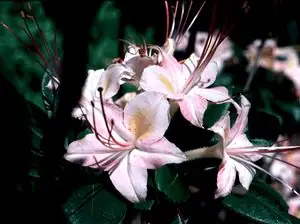
시드선 셀렉션
Rhododendron viscosum ‘Roseum’
SKU: RHOD-VISC-ROSE-01G
The swamp azalea, Rhododendron viscosum, ordinarily opens white; this selection breaks pink. 'Roseum' is a rose-flushed form of the familiar native, chosen and introduced by from a plant of Aiken County, South Carolina provenance, a home-ground selection that carries the sweet, clove-like fragrance.
맞춤 견적을 요청하세요
가격, 포장 크기 및 재고 여부는 개별 견적서에서 확인하실 수 있습니다. 문의를 보내는 것만으로는 유료 주문이 접수되지 않습니다.
재배 적합성, 파종 및 재배 요건에 대해 문의하십시오.
견적서에서 배송 옵션과 필요 서류를 확인하세요.
이 품종에 대하여
The swamp azalea, Rhododendron viscosum, ordinarily opens white; this selection breaks pink. 'Roseum' is a rose-flushed form of the familiar native, chosen and introduced by from a plant of Aiken County, South Carolina provenance, a home-ground selection that carries the sweet, clove-like fragrance of the species in a warmer color. The swamp azalea ranges widely across the eastern United States, from the Gulf Coast north into New England, threading the wet margins of swamps, bogs, and stream banks where few other flowering shrubs will follow.
The species has gathered a handful of old common names over three centuries in cultivation, clammy azalea and swamp honeysuckle chief among them, and each names a real trait. Clammy and viscosum alike point at the sticky glandular hairs that coat the flower tube, catching the light and, now and then, a passing insect. Swamp honeysuckle catches the other half of the plant's character, the powerful honeysuckle-and-clove perfume that arrives in the heat of summer and carries a surprising distance on humid air. Rhododendron viscosum entered the botanical record early in the eighteenth century, and gardeners have prized the late fragrance ever since.
The pink flowers open in late spring and early summer, after the spring azaleas have finished, in loose clusters of narrow, sticky-haired trumpets above the deciduous foliage. Bees, butterflies, and hovering sphinx moths work the late bloom, drawn across the garden by scent. As with all azaleas, every part of the plant carries grayanotoxins and is poisonous if eaten, so 'Roseum' is a shrub to grow for fragrance and color rather than for any use, and one to keep clear of grazing livestock.
Few shrubs turn a wet, acidic problem into an asset so gracefully. Plant 'Roseum' at a pond or stream edge, in a rain garden, in a boggy low spot, or along a moist woodland border, where the roots find the steady moisture the plant wants and the pink summer bloom lifts a green, shaded corner. Full sun is tolerated where the soil stays reliably moist, though morning sun with afternoon shade suits warmer gardens best. Pair with clethra, itea, sweetbay magnolia, and native ferns, and site the shrub where the summer perfume can be caught near a path or a seat. For the native-plant gardener, the unusual pink color and the provenance make this a quietly special form to grow.
더 많은 것을 발견해 보세요



질문 및 토론