

이 페이지는 원문으로 표시됩니다. 번역본은 아직 제공되지 않았습니다.
시드선 셀렉션
Sarcococca wallichii
SKU: SARC-WALL-01G
Among the winter-flowering shade shrubs, few reward a cold-season garden as generously as Sarcococca wallichii, the Himalayan sweet box. The genus name joins the Greek sarco, flesh, with kokkos, berry, a nod to the fleshy fruits that follow the flowers, while the species honors Nathaniel Wallich,.
맞춤 견적을 요청하세요
가격, 포장 크기 및 재고 여부는 개별 견적서에서 확인하실 수 있습니다. 문의를 보내는 것만으로는 유료 주문이 접수되지 않습니다.
재배 적합성, 파종 및 재배 요건에 대해 문의하십시오.
견적서에서 배송 옵션과 필요 서류를 확인하세요.
이 품종에 대하여
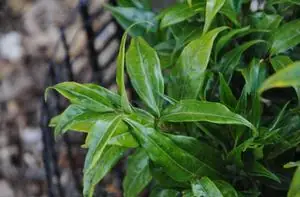
Among the winter-flowering shade shrubs, few reward a cold-season garden as generously as Sarcococca wallichii, the Himalayan sweet box. The genus name joins the Greek sarco, flesh, with kokkos, berry, a nod to the fleshy fruits that follow the flowers, while the species honors Nathaniel Wallich, the Danish surgeon-botanist who superintended the Calcutta botanic garden in the early nineteenth century and sent so many Himalayan plants west. Sarcococca belongs to the box family, Buxaceae, and shares that clan's patience: dense, slow, and evergreen, with the quiet good manners of a plant built for the long haul.
Native to the cool, humid understory of the eastern Himalaya, from Nepal and Bhutan through northern India and into southwestern China, the Himalayan sweet box grows where light is filtered and the air stays moist. The glossy, tapering leaves hold a deep green through the year, but the shrub saves its real event for the cold months, when small, ivory, almost hidden flowers open along the stems and release a fragrance out of all proportion to their size, a sweet, honeyed scent that carries several feet on a mild winter day. Small blue-black berries follow, holding on the branches like beads.
The sweet boxes have a long second life in Himalayan folk medicine. Across their native range, plants of the genus Sarcococca have been turned to for complaints as varied as fever, gastric ulcers, and muscular pain, and modern phytochemists working with Nepalese-collected Sarcococca wallichii have isolated a suite of steroidal alkaloids, among them the newly named wallichimines, now studied for anti-inflammatory activity, a reminder that this understated shrub carries more chemistry than the tidy foliage lets on.
In the garden, place the Himalayan sweet box where the winter fragrance will be met rather than merely seen: beside a door, along a path walked in the cold months, or under a window left ajar on a warm afternoon. The dense evergreen habit makes the shrub a fine low hedge, a foundation planting in dry shade, or a companion to hellebores, ferns, and early bulbs beneath high-limbed trees. Slow and unfussy, sweet box asks little once settled, and rewards the gardener who plants for the nose as much as the eye.
더 많은 것을 발견해 보세요



질문 및 토론