

이 페이지는 원문으로 표시됩니다. 번역본은 아직 제공되지 않았습니다.
시드선 셀렉션
Styrax japonicus
SKU: STYR-JAPO-01Q
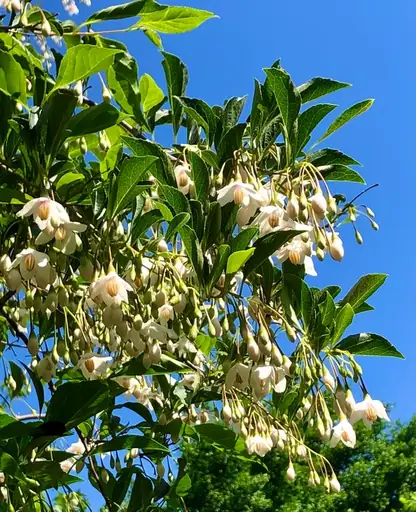
To see Styrax japonicus properly you have to look up. The leaves ride along the tops of the branches, all turned to the sky, while underneath, in late spring, hang rows of small white bells on slender stalks, so the whole horizontal tier of the tree seems lit from below. Stand beneath one in bloom.
맞춤 견적을 요청하세요
가격, 포장 크기 및 재고 여부는 개별 견적서에서 확인하실 수 있습니다. 문의를 보내는 것만으로는 유료 주문이 접수되지 않습니다.
재배 적합성, 파종 및 재배 요건에 대해 문의하십시오.
견적서에서 배송 옵션과 필요 서류를 확인하세요.
이 품종에 대하여
To see Styrax japonicus properly you have to look up. The leaves ride along the tops of the branches, all turned to the sky, while underneath, in late spring, hang rows of small white bells on slender stalks, so the whole horizontal tier of the tree seems lit from below. Stand beneath one in bloom and the common name explains itself.
They came west in 1862, gathered in Japan and Korea by the collector Richard Oldham and sent home to Kew, and they have been furnishing gardens with their tiered grace ever since. The genus carries an old and fragrant pedigree: Styrax is the classical name for the trees that gave the world storax and benzoin, the balsamic resins burned as incense and folded into perfume since antiquity, though that resin comes from their tropical cousins and not from this one.
What this tree gives is the flowers, a faint sweetness on a warm evening, and afterward small olive-shaped drupes on long stems. The Japanese call them egonoki, a name drawn from the throat-catching acridity of those fruits, which were once crushed to stun fish and lather like soap, and whose hard wood was turned into umbrella ribs and the body of the kokyu, the old bowed fiddle.
They want what their woodland made them want: moisture, acid soil, and shade through the worst of the afternoon. Give them a spot where the morning light comes filtered through the canopy, and let people discover, year after year, that the flowers are hiding just over their heads.
더 많은 것을 발견해 보세요



질문 및 토론