
35 of the Best Companion Plants for Dianthus
Dianthus species like carnations, pinks, and sweet williams are old-fashioned charmers with delightful, ruffled flowers and a sweetly spicy scent. And choosing the right companions to plant with your carnations and pinks is an easy way to showcase their beauty. Prized for their colorful blooms and.
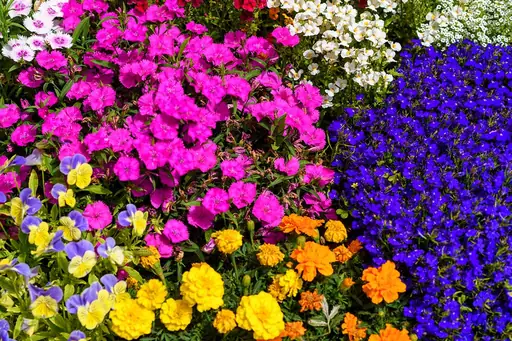
Dianthus species like carnations, pinks, and sweet williams are old-fashioned charmers with delightful, ruffled flowers and a sweetly spicy scent.
And choosing the right companions to plant with your carnations and pinks is an easy way to showcase their beauty.
Prized for their colorful blooms and delicious perfume, dianthus are low maintenance and easily cultivated plants.
They come in a variety of sizes that work throughout the garden, from petite ground-huggers like alpine pinks (D. alpinus) that are perfect for borders, edging, and rockeries, to tall sweet williams D. barbatus, adding height to the rear of beds.
With hundreds of cultivars available, pinks and carnations are striking on their own but they also make a fabulous addition to mixed plantings – and there are plenty of compatible choices.
So whether you’re creating a pretty patio planter or an exuberant cottage garden, adding dianthus to the mix is sure to please.
Now, let’s dig into the best options to create your own signature combinations for gardens that shine!
Here’s a quick preview of everything we’ll cover up ahead:
35 Best Companion Plants for Dianthus
- Annuals
- Bachelor’s Button
- Geranium
- Marigold
- Pansy
- Petunia
- Salvia
- Snapdragon
- Sweet Pea
- Verbena
- Zinnia
- Perennials
- Allium
- Artemisia
- Bee Balm
- Coneflower
- Delphinium
- New England Aster
- Ornamental Grass
- Phlox
- Red Valerian
- Russian Sage
- Shasta Daisy
- Succulents
- Herbs
- Marjoram
- Oregano
- Rosemary
- Sage
- Thyme
- Winter Savory
- Shrubs
- American Beautyberry
- Boxwood
- Forsythia
- Lilac
- Rose
- Tree Peony
- Viburnum
For mixed plantings in beds or containers, it’s important to choose companions with the same growing requirements.
For example, pinks and carnations (D. caryophyllus) need full sunlight and well-draining soil that dries out slightly between water applications.
Choosing other varieties with similar habits ensures easy care, low maintenance, and prolific growth.
Another consideration is fragrance.
Many varieties of dianthus are strongly scented, and adding other highly perfumed flowers to the mix can create a conflict!
But this is highly personal, and many gardeners enjoy blending scents while others prefer fragrance-free flowers.
Your color choices make a big impact on mixed flower groupings as well.
Dianthus species are mostly available in red tones, with the majority of cultivars ranging from pink to purple.
Before planting, decide if you want a harmonious cloud of similar shades or flowers that contrast for bright pops of color.
Along with their color, fragrance, and growth habits, how you plan to arrange your flowers needs to be considered too.
To generate the most impact for your gardens, first read up on the individual characteristics of the Dianthus species and cultivars in our growing guides.
Now let’s move on to our suggestions for dianthus companions to get you started with your own mixed plantings.
Annuals
In mixed beds, containers, islands, window boxes, and butterfly, cottage, or rock gardens, many other annuals with similar growth habits make an attractive compliment for dianthus.
1. Bachelor’s Button
A charming cultivated wildflower with bright blue, mauve, pink, or white flowers, bachelor’s button (Centaurea cyanus), aka cornflower, makes an eye-popping combination with the pink and red tones of dianthus.
An easily cultivated annual for beds, containers, and cottage or wildflower gardens, plant cultivars with a similar height as pinks for waves of vibrant summer color, like varieties of carnations, China (D. chinensis), Deptford (D. armeria), and garden pinks (D. plumarius) as well as sweet william.
Bachelor’s Button
Learn more about growing bachelor’s button in our guide.
2. Geranium
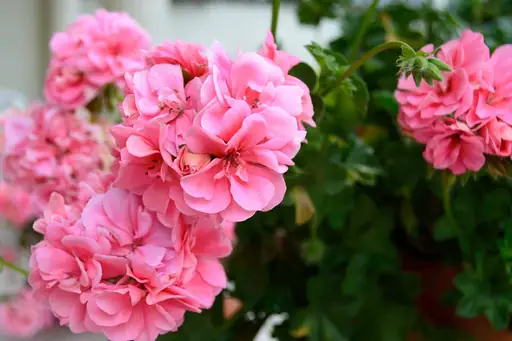
An old-fashioned favorite still highly popular today, garden geraniums (Pelargonium spp.) flower all summer long, making them the perfect candidate for adding long-lasting colors to any mixed plantings.
Start geranium seeds indoors then combine with midsize varieties like Cheddar (D. gratianopolitanus), Deptford, and garden pinks in beds, borders, containers, and window boxes, or in cottage and patio gardens.
Maverick Geranium ‘Appleblossom’
You can find our guide to growing garden geraniums here.
3. Marigold
A colorful and hardworking companion plant, marigold (Tagetes spp.) roots produce a compound called alpha-terthienyl, which aids in repelling root-knot nematodes and other garden unfriendlies like bacteria, fungi, insects, and some viruses – a valuable asset in mixed plantings.
Adaptable to a variety of growing conditions, the glowing gold, maroon, orange, and yellow flowers make a vibrant foreground for tall varieties of carnations, garden pinks, and sweet williams in beds, borders, and planters.
‘Moonlight’ is an African Marigold cultivar that features pale yellow, fragrant blooms.
‘Moonlight’ African Marigold
You can find seeds for ‘Moonlight’ and a large variety of species and cultivars available at .
And check out our guide to growing marigolds to learn more!
4. Pansy
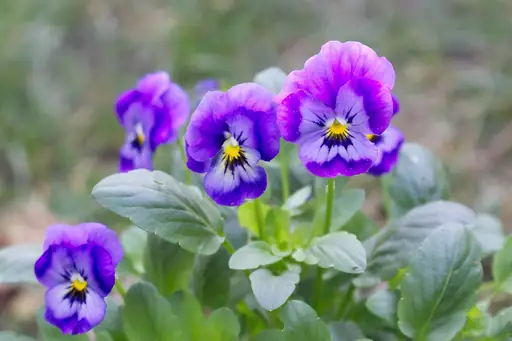
For an early or late burst of color to accompany your pinks, the classic pansy (Viola × wittrockiana) provides cool-season flowers in solid colors, bicolors, and tricolor combos of blue, mahogany, mauve, purple, yellow, and more.
Like dianthus, pansies need well-draining soil and full sun.
And although pansy flowering declines in hot weather, it picks up again in the cool evenings of late summer – perfect timing to support reblooming varieties like sweet william in beds, planters, and window boxes.
Atlas Mix Pansies
Seeds for the Atlas Mix, which features a wide variety of colors are available at .
also carries a large selection of colorful cultivars.
Our guide to growing pansies covers everything you need to know.
5. Petunia
Fast growing annuals, petunias (Petunia spp.) are available in a range of colors including blue, mauve, mahogany, orange, red, purple, and white – handsome company for many dianthus varieties.
s make a beautiful mix with mounding or spreading pinks in patio pots, planters, and window boxes – try combining them with low growing varieties like alpine pinks or ‘Firewitch’ for a spell-binding effect.
‘Alderman Blue’ Petunia
A selection of single color, like ‘Alderman Blue,’ and mixed petunia seed packets can be found at .
Our guide to growing petunias can help you get started.
6. Salvia
Salvia (Salvia spp.) has enormous versatility and easy-care habits make them a natural in any type of mixed planting.
Tall flower spires of blue, coral, mauve, pink, red, white, and yellow blend beautifully with tall species like China pinks, garden, and large pinks (D. superbus), or sweet william.
And they make a striking background for shorter cultivars of alpine and Cheddar pinks.
S. x sylvestris ‘May Night’ features deep indigo blue flowers held atop 18-inch flower stalks.
‘May Night’
And a large array of salvia seeds are available at .
Check out our guide to growing salvia flowers for more info.
7. Snapdragon
Snapdragon (Antirrhinum spp.) flowers most prolifically in cool temperatures, which matches nicely with the first wave of flowers from many dianthus species – and both like to rebloom when late summer starts to cool off.
In beds, containers, and cottage or cutting gardens, pair up tall snapdragons with China or garden pinks and sweet william or match lower-growing varieties with alpine pinks or ‘Firewitch.’
Rocket Series ‘Red’
Cinderella Mixed Colors
And seeds of the semi-dwarf Cinderella Mixed Colors can be found at .
Have a read of our snapdragon growing guide to learn more.
8. Sweet Pea
A charming match for containers or cottage and cutting gardens, sweet peas (Lathyrus odoratus) and long-stemmed dianthus are made for each other in cut flower arrangements – the fruity floral fragrance of sweet pea flowers and the scent of spicy dianthus blend beautifully.
Sweet peas flower in a vast range of light pastel or richly saturated colors, and dwarf varieties make a fabulous addition with Cheddar, large, and garden pinks in mixed hanging baskets, planters, and window boxes.
Bijou Mixed Sweet Pea Seeds
Want to learn more about sweet peas? Our growing guide has you covered.
9. Verbena
A frost tender perennial treated as an annual, mounding or trailing verbena (Verbena spp.) is a container staple for its long, easy season of colorful blooms beloved by pollinators.
Outstanding as a complimentary plant to low-profile varieties of Cheddar and ‘Firewitch’ pinks, verbena flowers in variations of blue, pink, red, purple, and white, adding depth and fullness to hanging baskets, patio planters, and window boxes.
Or use them in ground covers and rockeries with alpine pinks.
Verbena ‘Imagination’
Learn more about verbena here.
10. Zinnia
Flowering all summer in bright shades of mauve, peach, pink, purple, red, orange, white, and yellow, zinnias (Zinnia spp.) add sparkling splashes of color to containers or window boxes when mixed with Cheddar or large pinks.
And these fast growing annuals are ideal for coloring beds, seasonal ground covers, or rockeries when combined with alpine, Cheddar, and ‘Firewitch’ varieties.
You can find seeds for numerous zinnia varieties at .
Learn more about growing zinnias in our guide.
Perennials
Along with annuals, many perennials make excellent companions for carnations and pinks.
Sun-loving, flowering perennials are a natural for combining with dianthus in mixed beds, containers, and theme gardens.
Here are a few to think about.
11. Allium
Alliums (Allium spp.) are highly ornamental, featuring large flower globes in shades of blue, mauve, pink, purple, white, and yellow that bloom in late spring and early summer, coinciding with the main bloom time of dianthus varieties.
Tall varieties make a striking backdrop in beds or foundations for long-stemmed carnations or sweet william, and dwarf cultivars add bold flair to borders and containers when alternated with Cheddar pinks.
‘Purple Sensation’ is a tall variety, growing to a height of 30 inches, with deep purple flowers.
‘Purple Sensation’
carries ‘Purple Sensation’ bulbs in a variety of package sizes.
Our guide to growing ornamental alliums can be found here.
12. Artemisia
Valued for their silvery gray foliage, artemisia (Artemisia spp.) is a fragrant herb that makes a beautiful background or transition plant, calming and unifying the bold, saturated colors of carnations and pinks.
The mounding habit and fine-leafed foliage adds stylish grace to beds, borders, containers, and foundations.
Popular varieties include mugwort (A. vulgaris), southernwood (A. abrotanum), white sage (A. ludoviciana), and wormwoods (A. absinthium, A. schmidtiana, and A. stelleriana) – all make a beautiful, soft compliment to any dianthus varieties.
Frosted Gray Wormwood
13. Bee Balm
The flowers of bee balm (Monarda spp.), in saturated shades of mauve, pink, purple, and red are the perfect mirror for dianthus flowers and excellent at creating large, impressive stands of color.
They make a spectacular, pollinator-attracting background for long-stemmed China or garden pinks in beds, foundations, and islands or in butterfly, cottage, and cutting gardens.
M. didyma ‘Pardon My Cerise’ is a bright red cultivar that grows 12 to 14 inches tall.
Monarda ‘Pardon My Cerise’
And have a read of our guide to growing bee balm next!
14. Coneflower
Coneflowers (Echinacea spp.) bloom from midsummer onwards and are available in a wide range of juicy colors including maroon, orange, pink, purple, salmon, red, and yellow.
Standard sizes make a vivid backdrop in beds and borders and compact varieties are a natural partner interspersed with garden pinks in beds, containers, and patio planters.
Pixie Meadowbrite is a classic pink variety that tops out at 18 to 20 inches tall.
Pixie Meadowbrite
Want to learn more about coneflowers? Find our growing guide here.
15. Delphinium
Another cottage garden classic, tall and stately delphiniums (Delphinium spp.) make a commanding vertical statement in beds, foundations, and islands, and often serve as a backdrop to carnations, garden pinks, and sweet william.
Flowering in early summer, the blue, mauve, purple, and white delphinium flowers add cool complimentary shades to fiery colored sweet william or sparkling Chabaud carnations.
Blue Mix Delphiniums
You can source a gorgeous blue mix of delphinium seeds available at .
Not sure how to get started with growing delphiniums? Our growing guide can help.
16. New England Aster
A late summer classic, New England aster’s (Symphyotrichum novae-angliae syn. Aster novae-angliae) pretty daisy-like flowers bloom in shades of blue, pink, purple, and white.
Tall asters make a handsome background in beds and borders for tall carnations and sweet William.
And dwarf cultivars are ideal for borders, edging, and ground covers when mixed with compact mounding varieties like Cheddar pinks.
Purple New England Asters
Purple New England aster seeds are available in packets and ounces at .
Learn more about New England asters in our guide.
17. Ornamental Grass
Grasses, rushes, and sedges (Poaceae, Juncaceae, and Cyperaceae families) come in a large range of colors, sizes, and shapes that add elegant structure to the garden.
To create repeating patterns in raised beds, foundations, or rockeries, match small mounding or tufted varieties like blue fescue (Festuca glauca) with alpine or Cheddar pinks.
Upright rushes like California rush grass (Juncus patens) are right at home in naturalized settings and pair up nicely in wildflower gardens with airy Deptford or large pinks.
And a fine textured sedge, like fox sedge (Carex vulpinoidea), adds a softening cushion to stands of carnations and China pinks in beds and borders.
‘Elijah Blue’ Fescue Grass
Learn more about ornamental grass in our guide.
18. Phlox
For a bright and colorful ground cover or rock garden, combine creeping phlox (Phlox subulata) in hues of blue, pink, purple, and white with low-growing alpine or Firewitch.
For long lasting summer color in mixed beds, borders, and islands, use tall varieties of garden phlox (Phlox paniculata) in the background paired with carnations or China, garden, or large pinks in the foreground.
Phlox Paniculata ‘Cherry Cream’
Check out our guides to creeping phlox and garden phlox to learn more.
19. Red Valerian
Flowering profusely from early summer to fall with shaggy spires of crimson, pink, or white flowers, red valerian (Centranthus ruber) adds bold, long lasting color to mixed beds, borders, and islands.
An ideal plant to grow for repeating patterns, or you can create large masses of pink or red tones when mixed with carnations, China pinks, or sweet william.
Red Valerian
20. Russian Sage
Flowering from midsummer until frost, Russian sage (Salvia yangii) creates a beautiful purple haze of blooms in perennial beds, islands, foundations, and rockeries.
A hardy and hardworking plant, pair up compact varieties with alpine or Cheddar pinks in rock gardens and use standard varieties with taller dianthus such as China pinks or sweet william.
‘Little Spire’ is a compact cultivar that tops out at two to three feet tall.
‘Little Spire’
Need more info about Russian sage? Our guide can help.
21. Shasta Daisy
A favorite for perennial beds and cottage gardens, the white flowers of Shasta daisy (Leucanthemum x superbum) bloom over midsummer and create a highly effective contrast, making the red tones of dianthus pop and sizzle.
Or they can be used to create a shimmering “white garden” with cultivars of white carnations or sweet william.
Shasta Daisy ‘Becky’
Have a look at our guide to growing Shasta daisies to learn more.
22. Succulents
Many succulents, from numerous families, including Agavaceae, Aizoaceae, Bromeliaceae, and Cactaceae, make an excellent choice for containers, ground covers, rock gardens, and stone troughs, adding unique foliage and bright flowers.
Ground hugging varieties like hens and chicks (Sempervivium) or stonecrop (Sedum) are fantastic mixed with alpine pinks in stone troughs and pockets throughout the rock garden.
And they also make a handsome, succulent base layer in mixed planters with China or garden pinks.
You can find a large selection of hens and chicks and stonecrop available at Succulent Gardens.
Learn more about succulents and how to grow them in our comprehensive guides.
Herbs
As well as annuals and perennials, many popular kitchen herbs enjoy the same conditions of full sun and well-draining soil, and make a sweet addition to mixed flower groups in beds and containers.
The addition of herbs to mixed arrangements is also beneficial for their natural pest control properties.
Consider the following herbs to mix with dianthus.
23. Marjoram
A low growing herb with pretty clusters of small lavender, pink, or white flowers in midsummer, marjoram (Origanum majorana) is highly useful in borders, containers, edging, and window boxes.
Plant marjoram with large pinks or sweet william.
Marjoram
Visit our growing guide to learn more about marjoram.
24. Oregano
A versatile plant for the culinary use, oregano (Origanum vulgare) produces midsized spires of dainty mauve, pink, or white flowers in midsummer and makes a pretty ornamental in border fronts, containers, and rock gardens.
Use oregano as a ground cover or rockery plant with low mounding Alpine pinks or mixed with ‘Firewitch’ in containers and window boxes.
For borders and edging, alternate with clumps of Cheddar pinks or sweet william for decorative designs.
Oregano
Oregano seeds are available at in a variety of packet sizes.
Find more information about oregano here.
25. Rosemary
Covered with small blue flowers in spring and reblooming lightly in late summer and fall, rosemary (Salvia rosmarinus) is a premier herb for kitchen gardens – but it’s also outstanding for barriers, ground covers, and containers.
Use upright varieties for loose or trimmed barriers and plant with massed stands of sweet William in front for exceptional, contrasting colors.
Dwarf varieties such as ‘Blue Boy’ are best for container growth mixed with the likes of Cheddar or ‘Firewitch’ pinks, and creeping or prostrate varieties are handsome as ground covers and in rockeries when interspersed with alpine pinks.
Rosemary
Learn more about this herb and its many uses in our guide.
26. Sage
A staple in kitchen gardens, culinary sage is also highly ornamental with its frosty gray-green foliage and mid-sized spires of pretty blue, mauve, pink, or white flowers in late spring.
Sage (Salvia officinalis) appeals as a shimmering, low barrier and is attractive in the front or middle of mixed beds, foundations, and islands with airy Deptford or maiden pinks, or as a standalone specimen in rockeries with alpine and Cheddar pinks.
Broadleaf Sage
Packets of organic broadleaf sage seeds are available through .
Want to learn more about growing sage? Our comprehensive guide has what you need.
27. Thyme
Another kitchen garden mainstay, low-growing thyme (Thymus spp.) plants are covered with tiny mauve, pink, rose, or white flowers in mid to late spring.
The culinary varieties – English, French, and German thyme – are charming in borders, in containers, or in the forefront of mixed beds alternating with clumps of carnations, China pinks, or sweet william.
And creeping varieties make excellent ground covers and rockery plants, swarming around clumps of alpine or ‘Firewitch’ pinks.
Common Thyme
Find more information about growing thyme here.
28. Winter Savory
An herb with piquant flavor, winter savory (Satureja montana) is low growing, forming mounds or clumps and features bright green leaves with small white or lilac flowers in early to midsummer.
It adds excellent foliage to mixed containers with Deptford or large pinks and makes a pretty cushion plant for patterning with alpine or Cheddar pinks in beds, borders, and rockeries.
Winter Savory
Container plants of winter savory are available at .
Learn more about this herb in our guide.
Shrubs
Dianthus also makes attractive underplantings for shrubs in perennial beds, islands, and foundations.
Here are some ideal options:
29. American Beautyberry
American beautyberry (Callicarpa americana) is a midsized shrub that works massed into drifts or at the back of beds and borders.
The small pink flowers form in July at the base of the leaves – but it’s the dazzling clusters of lilac berries that steal the show in late summer through fall.
To add earlier color to beautyberry plantings, add taller dianthus varieties, such as carnations, China pinks, or sweet william – beautyberry’s vibrant, toothed foliage makes the red and pink tones stand out.
American Beautyberry
We have a guide to growing American beautyberry here.
30. Boxwood
A versatile evergreen, boxwood (Buxus spp.) is outstanding for adding structure to formal gardens as trim, geometric edging, hedges, topiary pieces, or in containers and knot gardens.
In informal gardens, boxwood works as a sprawling shrub or ground cover.
Crisply clipped edges, hedges, and sculpted standards are softened with a mounded border of Cheddar or China pinks.
And you can add quirky charm to boxwood ground covers with islands of garden pinks planted into “wells” of the easily trimmed foliage.
English Boxwood
Need more info about growing boxwood? Our guide has you covered.
31. Forsythia
When forsythia (Forsythia spp.) is in full bloom, the masses of sunshine-yellow flowers are a sight to behold.
The long, arching branches can be left untrimmed for a natural, wild look, or clipped into manageable sizes for barriers, hedges, and seasonal screens.
After flowering in spring, you can add summer color to your forsythia stands by planting with midsized dianthus varieties such as Deptford, garden, or large pinks.
‘Lynwood Gold’ Forsythia
Our forsythia growing guides have a wealth of information about these shrubs.
32. Lilac
Flowering in spring, lilac (Syringa spp.) shrubs produce large panicles of gorgeous magenta, mauve, purple, and white flowers with a delightful fragrance.
Sensational as borders, hedges, specimens, and even container plants, you can add interest to your lilac stands with a ring of mounding Cheddar or China pinks to add bright color and scent over the summer months.
Purple Lilac
Need help with your lilacs? You can find what you need here.
33. Rose
With thousands of cultivars in a vast range of colors, forms, and sizes, roses (Rosa spp.) are a garden classic with sweetly fragrant (or not, if you prefer) flowers from spring through summer.
A beautiful addition to borders, hedges, islands, foundations, and cottage gardens, an understory planting of garden pinks or sweet william is an excellent way to add a showy splash of color, charm, and interest to rose beds.
And we have a large selection of guides to growing roses that can help you out.
34. Tree Peony
Tree peonies (Paeonia hybrids) feature gorgeous, scalloped flowers in colors of pink, rose, white, and yellow that bloom in late spring with a deep, sweet fragrance.
Unlike the herbaceous varieties that die back in winter, these small deciduous shrubs maintain a woody framework all year, with attractive light green, lobed foliage that leafs out in April.
Ideal as borders, hedges, small groups, or specimens, the handsome frame is perfect for underplanting with loose, airy Deptford or large pinks or banked with bright sweet william.
‘Shimadaijin’ Japanese Tree Peony
Bare root plants of the magenta Japanese cultivar, ‘Shimadaijin,’ are available at .
If you want to learn more about cultivating tree peonies, our guide has you covered.
35. Viburnum
A highly diverse group of popular evergreen shrubs, viburnum (Viburnum spp.) has leathery foliage and spicily scented pink or white flower clusters in late spring, and some produce attractive berries as well.
Used in settings such as borders, hedges, screens, or as specimens, viburnum’s attractive foliage makes an ideal background for mounding dianthus like ‘Firewitch’ or Cheddar pinks.
Korean Spice Viburnum
You can learn more about growing viburnum shrubs in our guide.
Delightful Mixed Plantings
With their pretty fringed flowers and superb scent, dianthus make an excellent addition to mixed plantings in a variety of settings.
Remember to choose companions with similar sun and water requirements for easy maintenance and groupings that thrive.
What are some of your favorite dianthus combos? Let us know in the comments section below.
And for more ideas to create mixed plantings, add these guides to your reading list next:
- How to Design an Old-Fashioned Cottage Garden
- Birds, Bees, and Beauty: Tips for Growing a Native Wildflower Landscape at Home
- How to Create a Fragrant Garden Plan
- Facebook34
- X
Vragen en discussie