
How to grow dill
Seed to Harvest Herb Guide How to grow dill A practical guide to direct sowing dill, harvesting ferny leaves, supporting pollinator-friendly yellow umbels, and gathering aromatic seed for pickling. Direct sow the taprootHarvest leaves earlyGather seed before it drops Shop dill seed →Start the guide.
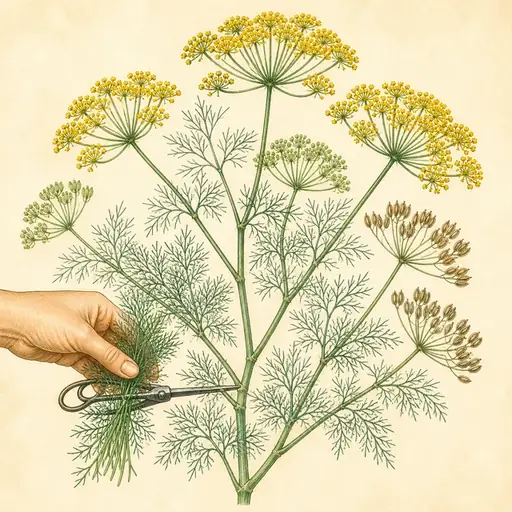
Seed to Harvest Herb Guide
How to grow dill
A practical guide to direct sowing dill, harvesting ferny leaves, supporting pollinator-friendly yellow umbels, and gathering aromatic seed for pickling.
Direct sow the taprootHarvest leaves earlyGather seed before it drops Shop dill seed →Start the guide ↓ SeasonCool to mildAnnual that self-sowsSow depth1/4 inchDirect sow preferredLightFull sun6–8+ hoursSpacing8–18 inchesDwarf to mammothHarvest40–60 daysSeed follows bloomBefore you begin
Dill variety and harvest goal determine spacing and timing.
Dill is a fast annual grown for fresh ferny foliage, edible yellow flowers, and aromatic seed. Compact Fernleaf suits containers, while Mammoth Long Island reaches 4–5 feet and produces large pickling umbels.
Best first decisionChoose a leafy, slow-bolting type for repeated foliage or a tall, large-headed type when flowers and pickling seed matter most.Dill at a glance
The path from ferny leaves to aromatic seed
Select any milestone to jump directly to its full instructions.
01ChooseLeaf or seed goal02Sow1/4 inch03ThinBy plant habit04Leaf40–60 days05FlowerYellow umbels06SeedDry tan headsEstablishment
Direct sow where the long taproot can remain
Dill grows quickly but dislikes root disturbance. Loose soil, consistent surface moisture, and early thinning create straight sturdy stems.
01Prepare the final site
Choose full sun and well-drained soil with moderate fertility. Shelter tall types from strong prevailing wind.
- Loosen compacted soil.
- Avoid heavy nitrogen.
- Use a deep pot for containers.
Sow about 1/4 inch deep
Plant once soil is workable and severe cold is easing. Firm lightly and keep evenly moist until sprouts appear in 7–14 days.
Direct sow is simplestIf transplanting is necessary, use biodegradable cells and move seedlings very young without disturbing roots. 03Thin for mature size
Allow about 8–12 inches for compact types and 12–18 inches for tall, broad plants.
- Snip rather than pull extras.
- Water after thinning.
- Keep early weeds small.
Ongoing care
Keep stems growing evenly from foliage through seed
Steady moisture supports tender leaves; open spacing and support protect flower heads as plants mature.
WWater at the base
Keep soil evenly moist during establishment and leaf production without saturating roots.
SSupport tall types
Stake Mammoth and other tall plants loosely before broad umbels become wind-heavy.
PProtect pollinators
Dill flowers attract beneficial insects, and swallowtail caterpillars may feed on foliage.
FChoose flowers or leaves
Cut flower stems to favor foliage, or leave selected umbels for pickling and seed.
Growth checkpoints
Follow emergence, leaf fill, bloom, and seed drying.
Umbel color clearly separates flower harvest from mature seed harvest.
7–14 daysSeedlings emerge
Fine green shoots appear along the evenly moist row.
40–60 daysFerny leaf harvest
Blue-green stems are full, tender, and strongly aromatic.
FloweringYellow umbels open
Flat flower heads support pollinators and green-seed pickling.
Seed maturityHeads turn tan
Flat oval seed dries and loosens from browning umbels.
Text-only diagnostics
Diagnose dill problems early
Match the symptom, then open the card for prevention and the next practical action.
GrowthYellowing or stalled plantsFine foliage pales while soil remains wet or compactedImprove drainage, reduce watering, loosen surrounding soil carefully, and avoid heavy fertilizer around stressed roots.
Leaf diseaseLeaf spot or powdery mildewBrown lesions or pale powder develops in crowded foliageIncrease spacing, water at soil level, remove badly affected material, and avoid handling wet plants.
PestAphids or caterpillarsSticky curled tips or chewed ferny leavesRinse aphids away. Identify caterpillars before acting—swallowtail larvae can be moved to a sacrificial dill plant if foliage must be protected.
MaturityLodging or seed shatterTall stems lean or dry seed falls before collectionStake exposed plants and cut browning heads promptly into paper bags for final drying.
Multiple harvests
Cut ferny leaves, green heads, or mature seed
Each harvest stage serves a different kitchen purpose, from fresh seasoning to pickles and dry spice.
- Leaves: Snip outer leafy stems above a branch point before heavy flowering.
- Green heads: Cut fresh flower or immature seed umbels for pickling.
- Dry seed: Bag brown heads, finish drying, then rub, winnow, and store airtight.
Urban Farmer’s current dill offerings
Match plant size and flowering speed to the harvest
Choose compact Fernleaf, oil-rich Dukat, early Bouquet, organic Bouquet, or tall Mammoth Long Island.
Compact and slower to boltFernleaf DillA neat blue-green dwarf type developed for containers and small gardens.Shop Fernleaf →High essential-oil foliageDukat DillAn improved leafy variety with strong flavor for dips, salads, soups, peas, and potatoes.Shop Dukat →Early flowering favoriteBouquet DillUniform dark feathered foliage, tangy aroma, and useful stems for culinary and cut-flower harvest.Shop Bouquet →Certified organic seedBouquet Organic DillThe popular early Bouquet habit supplied as certified organic seed.Shop Organic Bouquet →Tall pickling and seed typeMammoth Long IslandA 4–5 foot heirloom with abundant foliage and large flavorful seed heads.Shop Mammoth Long Island →Questions herb gardeners ask
Dill growing FAQ
Quick answers for direct sowing, spacing, containers, leaves, flowers, caterpillars, and seed.
Is dill an annual or perennial?Dill is an annual, but mature seed often self-sows and returns in later seasons.
When should dill be planted?Direct sow as soil becomes workable and severe frost is easing; established plants prefer cool to mild weather.
How deep should dill seed be planted?Sow approximately 1/4 inch deep and maintain even moisture until emergence.
How long does dill take to germinate?Seed commonly sprouts in about 7–14 days depending on soil temperature and moisture.
How far apart should dill plants be?Allow about 8–12 inches for compact types and 12–18 inches for tall vigorous varieties.
Can dill be transplanted?Direct sowing is preferred because of its taproot. If necessary, transplant very young biodegradable cells carefully.
Can dill grow in a container?Yes. Choose compact Fernleaf or use a deep, stable container that supports taller varieties.
When should dill leaves be harvested?Begin around 40–60 days when foliage is full and aromatic, before heavy flowering.
When are dill heads ready for pickling?Cut green flower or immature seed heads while they are fresh, aromatic, and still pliable.
How can I tell when dill seed is ripe?Umbels turn tan-brown and flat oval seeds become dry and loosen easily.
What are the caterpillars eating my dill?They may be black swallowtail larvae. Identify them before treatment and move them to spare dill if needed.
What is the best dill for containers?Fernleaf is the most compact choice, with sturdy foliage and a slower tendency to bolt.
Ready to plant?
Grow dill for leaves, flowers, and seed.
Choose compact, leafy, early, organic, or tall pickling varieties for your harvest goal.
Shop dill seed →
Vragen en discussie