

Deze pagina wordt in de oorspronkelijke taal weergegeven. Een vertaling is nog niet beschikbaar.
De Seedsun-selectie
Itea chinensis
SKU: ITEA-CHIN-01G
Itea, the sweetspires, are graceful shrubs of the family Iteaceae, their name taken from the Greek word for willow, after leaves that recall a willow's. Itea chinensis is the Chinese sweetspire, an uncommon evergreen member of the group, a medium to tall shrub of neat, compact form with oval,.
Vraag een offerte op maat aan.
Prijzen, verpakkingsgroottes en beschikbaarheid worden bevestigd in uw persoonlijke offerte. Het versturen van een aanvraag is geen betaalde bestelling.
Informeer naar de geschiktheid, zaai- en kweekvereisten.
Bevestig de leveringsopties en benodigde documenten in uw offerte.
Over deze variëteit
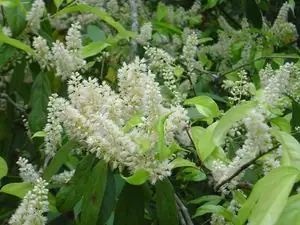
Itea, the sweetspires, are graceful shrubs of the family Iteaceae, their name taken from the Greek word for willow, after leaves that recall a willow's. Itea chinensis is the Chinese sweetspire, an uncommon evergreen member of the group, a medium to tall shrub of neat, compact form with oval, glossy leaves that hold through the year in the warm South. In spring the plant hangs slender four-inch spikes of small white flowers, softly fragrant and busy with bees.
Where the familiar sweetspires of American gardens drop their leaves for a blaze of fall color, the Chinese sweetspire keeps a quieter, evergreen habit, offering clean structure and year-round green rather than a seasonal show. The white spring spires arch against the dark foliage, a fine, understated effect in a shaded border, and the plant carries the same easy, moisture-loving temperament as the rest of the genus.
Itea chinensis is at home in the milder South, wanting partial shade and moist but well-drained soil with some organic matter, though the plant adapts to loam, clay, or sand. Uncommon in the trade, the Chinese sweetspire rewards the collector and the designer looking for a well-behaved broadleaf evergreen of medium height.
Use Chinese sweetspire in a shaded or woodland border, under a light tree canopy, or as a soft evergreen layer beside bolder foliage, where the spring flowers and clean leaves lend balance. Pair with ferns, hydrangeas, and other moisture-lovers in the same cool, shaded ground, and keep the soil from drying. The bees will find the flowers.
Er valt nog veel meer te ontdekken



Vragen en discussie