
How to Plant and Grow Epazote (Wormseed)
Dysphania ambrosioides Show of hands – who’s ever heard of epazote? If you’re a fan of southern Mexican or Guatemalan food, you may be familiar with this ingredient, which is comprised of the leaves and stalks of the epazote (eh-puh-ZO-tay) plant. This plant is considered a weed by some, but.
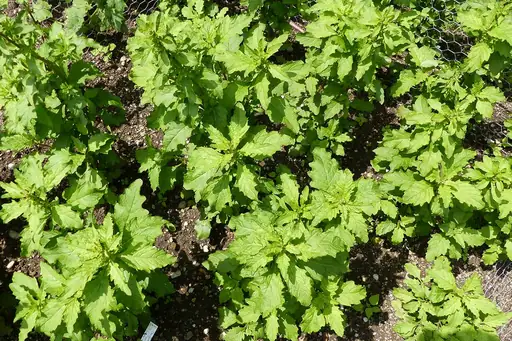
Dysphania ambrosioides
Show of hands – who’s ever heard of epazote?
If you’re a fan of southern Mexican or Guatemalan food, you may be familiar with this ingredient, which is comprised of the leaves and stalks of the epazote (eh-puh-ZO-tay) plant.
This plant is considered a weed by some, but proudly cultivated by others who treasure its unusual flavor, described by some as “earthy,” or as having lemony, acidic qualities.
Other tasters compare it to a stronger version of oregano, anise, fennel, or tarragon. It’s also been called spicy.
If you’re ready to grow a taste sensation in your herb garden, get ready to learn all you need to cultivate epazote!
Here’s what I’ll cover:
What You’ll Learn
Quick Look
How to Sow
How to Grow
Where to Buy
Pests and Disease
Harvesting
Preserving
Cooking Ideas
You may see this herb called wormseed (more on the genesis of this nickname in a minute), Jesuit’s or Mexican tea.
Botanically, epazote was once known as Chenopodium ambrosioides, but it has been reclassified into the Dysphania genus.
The plant grows to about four feet tall and produces long, serrated leaves that emit a fairly strong, kerosene-like odor. It produces small, pale yellow-greenish flowers.
Gardeners in Zones 4 to 12 can grow this plant, it will grow as a perennial in Zones 8 to 12.
In the more northern regions, it is typically grown as an annual, tolerating a bit of frost.
Quick Look
Common name(s): Epazote, Jesuit’s or Mexican tea, wormseed
Plant type: Herbaceous annual or perennial
Hardiness (USDA Zone): 8-12 (perennial)
Native to: Mexico, Central and South America
Bloom time / season: Spring, summer, fall
Exposure: Full sun
Soil type: Loose, organically rich, average, sandy, well-draining
Soil pH: 5.2-8.3, slightly acidic to slightly alkaline
Time to maturity: 55 days
Mature size: 4 feet tall by 18 inches wide
Best uses: Edible herb
Taxonomy
Order: Caryophyllales
Family: Amaranthaceae
Genus: Dysphania
Species: Ambrosioides
Before we get too far into our exploration of epazote and how to cultivate it, I would be remiss if I didn’t mention that if you were to consume too much, you may experience some awful side effects, as it is poisonous in large quantities.
It contains the toxin ascaridole, which can potentially cause deafness, vertigo, paralysis, incontinence, jaundice, sweating, and even death.
So just enjoy it in the occasional taco and discourage young children and pregnant women from consuming the herb.
Native to southern Mexico, Central America, and South America, epazote has been used in the cuisines of these areas for centuries.
It is believed that the Mayans used it both culinarily and medicinally.
Notably, the herb contains a chemical called ascaridole, which repels intestinal worms. For centuries, people around the world used D. ambrosioides to purge worms from their systems.
Until antiparasitic drugs became available in the 1940s, many thousands of gallons of Baltimore Oil, also known as wormseed oil, were produced as a household remedy for hookworm in pets, livestock, and humans.
In the 1930s and ‘40s, more than 240 farmers in Carroll County, northwest of Baltimore, grew wormseed.
How to Sow
You can sow seeds indoors in early spring, or sow directly outdoors when soil temperatures have reached 70°F.
If you are starting seeds indoors, applying heat to the bottom of your seed trays will speed germination.
Soak seeds in water for 24 hours, and then lightly press them into the soil and add a scant layer of dirt on top.
Keep the soil moist until they germinate, which should happen in seven to 14 days.
Thin outdoor-sown seedlings to six inches apart.
For a continual supply of young leaves, you might want to make successive sowings of this herb every two to three weeks.
How to Grow
Wormseed grows best in full sun and is not particular about the soil, as long as it is well-draining.
If you really want to, you can enrich the soil with a little organic matter, but any additional fertilizer will result in less flavorful leaves.
The plant prefers dry weather with a medium amount of water. It can tolerate some drought, but will do better with regular watering.
Because of its attractiveness to predatory wasps and flies, epazote is sometimes intentionally grown near plants that are infested with insects that these beneficial insects like to dine on.
Pruning will encourage more branching and therefore more leafing, particularly if you lop off the center stem. As with basil, snip off emerging flower spikes, too, to encourage more leafing.
Near the end of the growing season, you can let the plant go to seed and collect the seeds to sow in the spring.
Simply rub the seed stalks gently between your fingers, collecting the seeds in a container beneath. Store the seeds in sealed container in a cool, try place.
Where to Buy
You can normally find seeds or transplants at your local garden center or nursery.
If you prefer to shop online, make sure you source from respected vendors.
Epazote
Pests and Disease
While the strong scent of epazote wards off many potential pests, you may see thrips, which can be treated with insecticidal soap.
Thrips are a pain in the neck, not only for their propensity to suck essential fluids out of plants, but also for their ability to transfer viruses from plant to plant.
Epazote is considered a “host reservoir” for some viruses, including lettuce mosaic virus and tomato spotted wilt virus.
This means the plant is infected with a virus but may or may not show symptoms.
Viruses typically show up as discoloration on the plant’s leaves. There is no treatment, if the disease is severe, you will have to pull up and destroy the plants.
Harvesting
You can harvest epazote leaves about 55 days after the seeds are sown. Simply cut or tear young leaves from the center stem of plants.
You can harvest and eat the older leaves, too, but they have a stronger flavor and should be used in small amounts. The younger leaves have a milder, yet richer, flavor.
If you’re harvesting leaves in advance of when you need them, wrap them in a damp paper towel, place in a zip-top bag, and store in the refrigerator, where they will keep for about three weeks.
Alternatively, you can store stems upright in a glass of water in the fridge.
Preserving
Epazote leaves can be dried and used later.
If you’re bumping up against a blizzard and want to get your plants out of the ground before they’re buried in snow, pull the entire plant and hang it upside down in a cool, dust-free room.
Make sure there’s plenty of room between each stalk, with adequate airflow to prevent mold.
Check them after seven to 10 days. If the leaves appear dry and they crumble easily, they are ready for storage. Take your stalks down, remove the leaves, and discard the stems.
Store the leaves in a jar with a tight-fitting lid in a cool, dark place. Remove and crumble leaves as you need them.
Get more tips on drying and storing herbs here.
Culinary Uses
Epazote leaves are sometimes chopped up and used as you would an herb; other times whole leaves are used in cooking.
For example, in Mexico’s state of Oaxaca, fresh epazote leaves are often used in cheese quesadillas.
In addition to its use in bean dishes, it also makes a flavorful addition to soups, egg dishes, corn dishes, and mole sauces. It’s also used around the world to make tea.
This plant is a good source of vitamins A, B6, C, and D, as well as dietary fiber, iron, and calcium.
Keep in mind that it should only be consumed in small quantities, and as such, will not provide a significant amount of any of these nutrients.
Invite the Neighbors Over for a Big Pot o’ Beans
If you want to grow something that perhaps no one else on your block is growing, epazote may be just the plant.
It’s very easy to grow, and indeed is so amenable to a variety of conditions that it has weedy tendencies.
If you can keep it contained, however, and enjoy cooking and eating Mexican and Central American cuisines, how wonderful would it be to have a fresh supply of this tasty herb?
Would you like to expand your herb garden even more? Check out these articles next:
- How to Plant and Grow Mexican Oregano
- Grow Common Sage, A Mediterranean Culinary Staple
- Love It or Hate It, Cilantro Is Easy to Grow
- Facebook176
- X
The staff at Gardener’s Path are not medical professionals and this article should not be construed as medical advice intended to assess, diagnose, prescribe, or promise cure. Gardener’s Path and Ask the Experts, LLC assume no liability for the use or misuse of the material presented above. Always consult with a medical professional before changing your diet or using plant-based remedies or supplements for health and wellness.




Pytania i dyskusja