

Ta strona jest wyświetlana w oryginalnym języku. Tłumaczenie nie jest jeszcze dostępne.
Selekcja Seedsun
Erica × darleyensis (Darley Dale Heath)
SKU: ERIC-DARL-01G
Heaths and heathers run to dozens of species and hundreds of named forms, and most of them sulk in the heat and humidity of the American South. Erica × darleyensis, a hybrid of two European mountain heaths, Erica erigena and Erica carnea, is one of the happy exceptions, tough and adaptable enough.
Poproś o indywidualną wycenę
Ceny, rozmiary opakowań i dostępność zostaną potwierdzone w Państwa indywidualnej wycenie. Wysłanie zapytania nie oznacza złożenia opłaconego zamówienia.
Zapytaj o przydatność, wymagania dotyczące siewu i uprawy.
Potwierdź opcje dostawy i wymagane dokumenty w swojej ofercie.
O tej odmianie
Heaths and heathers run to dozens of species and hundreds of named forms, and most of them sulk in the heat and humidity of the American South. Erica × darleyensis, a hybrid of two European mountain heaths, Erica erigena and Erica carnea, is one of the happy exceptions, tough and adaptable enough to give Southern gardeners a real chance at a plant most only admire in cooler climates. The renowned plantsman Michael Dirr, in his Manual of Woody Landscape Plants, allows that if one wants to grow a heath in the southeastern United States, this hybrid represents a credible starting point.
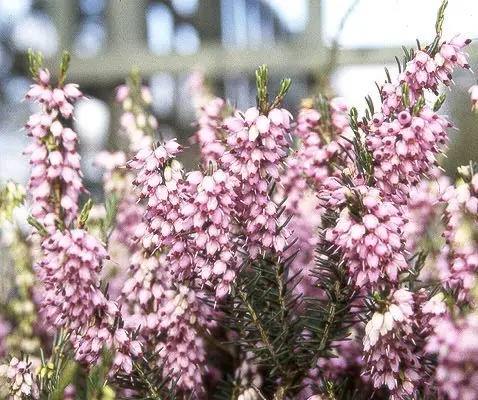
Darley Dale heath makes a low, spreading, evergreen mound to about two feet, clothed in fine, needle-like, deep green foliage that often takes on bronze or cream tips on new growth. The real gift is the season of bloom: from late fall through early spring, when little else is flowering, the stems line themselves with small, urn-shaped, rose-pink flowers held in leafy terminal sprays, a quiet run of color across the coldest, grayest months and an early nectar source for any bees abroad on a mild winter day.
Low, dense, and neat, Darley Dale heath is a natural weaver and edger. Plant a drift as an evergreen groundcover on a sunny slope, run a ribbon along the front of a border or a path, or set the plant among dwarf conifers and other acid-lovers for a heath-and-heather tapestry of contrasting textures. The winter flowers pair beautifully with the bare red stems of dogwoods and the pale bark of birches, and a mass planting reads as a soft, living carpet even out of bloom.
Give the plant what the mountain parents want: full sun to light shade and moist but sharply drained, acidic soil enriched with peat, leaf mold, or compost. Heaths resent heavy, wet clay and standing water, so drainage is the one non-negotiable. Shear lightly right after flowering to keep the mound tight, taking care not to cut back into bare old wood, which does not resprout well. Hardy in USDA zones 5 through 8, undemanding once settled, Darley Dale heath earns its keep in the very season most gardens go quiet. Photos courtesy of Oregon State University.
Więcej do odkrycia



Pytania i dyskusja