

Ta strona jest wyświetlana w oryginalnym języku. Tłumaczenie nie jest jeszcze dostępne.
Selekcja Seedsun
Hibiscus coccineus
SKU: HIBI-COCC-01G
Hibiscus coccineus, the scarlet rose mallow or Texas star hibiscus, is a tall, dramatic perennial native to the wetlands and swamps of the southern United States. Rising on strong, upright stems to six or ten feet, the plant lifts great scarlet stars above the summer garden, an American native that.
Poproś o indywidualną wycenę
Ceny, rozmiary opakowań i dostępność zostaną potwierdzone w Państwa indywidualnej wycenie. Wysłanie zapytania nie oznacza złożenia opłaconego zamówienia.
Zapytaj o przydatność, wymagania dotyczące siewu i uprawy.
Potwierdź opcje dostawy i wymagane dokumenty w swojej ofercie.
O tej odmianie
Hibiscus coccineus, the scarlet rose mallow or Texas star hibiscus, is a tall, dramatic perennial native to the wetlands and swamps of the southern United States. Rising on strong, upright stems to six or ten feet, the plant lifts great scarlet stars above the summer garden, an American native that looks every bit as exotic as any tropical hibiscus and proves far tougher.
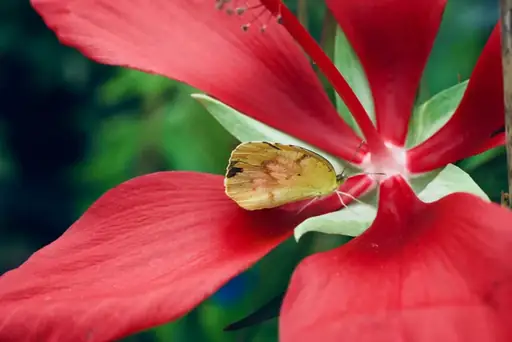
The flowers are the whole argument. Each bloom opens three to five inches across in vivid, pure scarlet, five slightly separated petals arranged in a clean star, with the long staminal column thrust boldly from the center and tipped in bright yellow pollen. The show runs from mid-summer through early fall, and though each flower lasts a single day, the plant opens a steady succession over many weeks. Hummingbirds, bees, and butterflies all work the blooms, so the color comes with constant motion.
The foliage is nearly as talked-about as the flowers. Deeply cut into slender, palmate lobes, the leaves resemble those of a maple or, notoriously, of cannabis, a resemblance that has raised more than one eyebrow over a perfectly innocent native plant. Botanically this is a true mallow of the Malvaceae, and the species name coccineus simply means scarlet, for the flowers. Upright and clean, the deep green leaves set off the red bloom to perfection.
In the garden, use scarlet rose mallow at the back of a large sunny border, at a pond or stream edge, in a rain garden, or anywhere a bold vertical accent and hot late-summer color are wanted. The plant grows naturally in very wet ground, along streams, ponds, and swamps, but adapts happily to ordinary well-drained garden soil given plenty of sun. Pair with other moisture-lovers and late bloomers, allow room for the tall stems, and cut the frost-killed tops to the ground in late winter for a fresh start each spring.
Więcej do odkrycia



Pytania i dyskusja