

Ta strona jest wyświetlana w oryginalnym języku. Tłumaczenie nie jest jeszcze dostępne.
Selekcja Seedsun
Hibiscus cubensis
SKU: HIBI-CUBE-01G
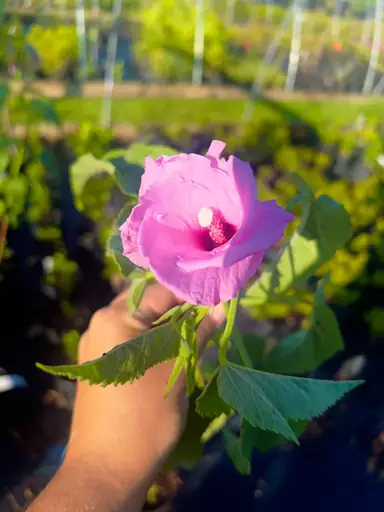
Cuban rose mallow is one of the tall, slender members of the perennial hibiscus tribe, a plant that reads as airy and upright rather than bushy. Through the summer the stems carry fairly large flowers in a soft purplish pink, the classic mallow saucer set against distinctly gray-green foliage, and.
Poproś o indywidualną wycenę
Ceny, rozmiary opakowań i dostępność zostaną potwierdzone w Państwa indywidualnej wycenie. Wysłanie zapytania nie oznacza złożenia opłaconego zamówienia.
Zapytaj o przydatność, wymagania dotyczące siewu i uprawy.
Potwierdź opcje dostawy i wymagane dokumenty w swojej ofercie.
O tej odmianie
Cuban rose mallow is one of the tall, slender members of the perennial hibiscus tribe, a plant that reads as airy and upright rather than bushy. Through the summer the stems carry fairly large flowers in a soft purplish pink, the classic mallow saucer set against distinctly gray-green foliage, and the stems themselves are lightly prickly to the touch. Rising to seven or ten feet on narrow clumps, the plant lifts the bloom well up where the color can be seen from a distance.
The name tells only half the story. This is indeed the Cuban hibiscus, native to the island, but the plant also turns up, surprisingly, in a few natural stands along the Texas Gulf Coast, one of those quiet distributional puzzles that make the genus interesting. A true mallow of the Malvaceae, Cuban rose mallow grows wild in marshy, low-lying ground, yet takes readily to ordinary garden soil, and remains little known in cultivation, perhaps first offered to American gardeners by .
In leaf and flower the plant carries a slightly wild, informal character that suits a naturalistic setting. The gray-green cast of the foliage sets the species apart from the greener native rose mallows, and the prickly stems and marsh-edge origins mark a plant built for open, sunny, seasonally damp ground rather than a pampered border. The purplish-pink flowers draw bees and other pollinators through the heat of summer.
In the garden, give Cuban rose mallow full sun to part shade in moist to average soil, at the back of a sunny border, along a pond or ditch, in a rain garden, or in any bed that welcomes a tall, seasonal accent. The plant dies back in winter and returns quickly from the crown each spring, growing fast to flowering height. Pair with other rose mallows and moisture-loving perennials, and site where the tall stems have room to stand.
Więcej do odkrycia



Pytania i dyskusja