

Ta strona jest wyświetlana w oryginalnym języku. Tłumaczenie nie jest jeszcze dostępne.
Selekcja Seedsun
Itea chinensis
SKU: ITEA-CHIN-01G
Itea, the sweetspires, are graceful shrubs of the family Iteaceae, their name taken from the Greek word for willow, after leaves that recall a willow's. Itea chinensis is the Chinese sweetspire, an uncommon evergreen member of the group, a medium to tall shrub of neat, compact form with oval,.
Poproś o indywidualną wycenę
Ceny, rozmiary opakowań i dostępność zostaną potwierdzone w Państwa indywidualnej wycenie. Wysłanie zapytania nie oznacza złożenia opłaconego zamówienia.
Zapytaj o przydatność, wymagania dotyczące siewu i uprawy.
Potwierdź opcje dostawy i wymagane dokumenty w swojej ofercie.
O tej odmianie
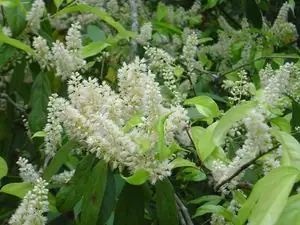
Itea, the sweetspires, are graceful shrubs of the family Iteaceae, their name taken from the Greek word for willow, after leaves that recall a willow's. Itea chinensis is the Chinese sweetspire, an uncommon evergreen member of the group, a medium to tall shrub of neat, compact form with oval, glossy leaves that hold through the year in the warm South. In spring the plant hangs slender four-inch spikes of small white flowers, softly fragrant and busy with bees.
Where the familiar sweetspires of American gardens drop their leaves for a blaze of fall color, the Chinese sweetspire keeps a quieter, evergreen habit, offering clean structure and year-round green rather than a seasonal show. The white spring spires arch against the dark foliage, a fine, understated effect in a shaded border, and the plant carries the same easy, moisture-loving temperament as the rest of the genus.
Itea chinensis is at home in the milder South, wanting partial shade and moist but well-drained soil with some organic matter, though the plant adapts to loam, clay, or sand. Uncommon in the trade, the Chinese sweetspire rewards the collector and the designer looking for a well-behaved broadleaf evergreen of medium height.
Use Chinese sweetspire in a shaded or woodland border, under a light tree canopy, or as a soft evergreen layer beside bolder foliage, where the spring flowers and clean leaves lend balance. Pair with ferns, hydrangeas, and other moisture-lovers in the same cool, shaded ground, and keep the soil from drying. The bees will find the flowers.
Więcej do odkrycia



Pytania i dyskusja