

Ta strona jest wyświetlana w oryginalnym języku. Tłumaczenie nie jest jeszcze dostępne.
Selekcja Seedsun
Juniperus virginiana 'Lawrenceville'
SKU: JUNI-VIRG-LAWR-01G
Juniperus virginiana, the eastern red cedar, is a tough, aromatic native conifer of eastern North America, found from Canada to the Gulf and famous for fragrant, moth-repelling wood and a pioneering habit on poor, dry, and abandoned ground. 'Lawrenceville' is a narrow, upright selection, a slender.
Poproś o indywidualną wycenę
Ceny, rozmiary opakowań i dostępność zostaną potwierdzone w Państwa indywidualnej wycenie. Wysłanie zapytania nie oznacza złożenia opłaconego zamówienia.
Zapytaj o przydatność, wymagania dotyczące siewu i uprawy.
Potwierdź opcje dostawy i wymagane dokumenty w swojej ofercie.
O tej odmianie
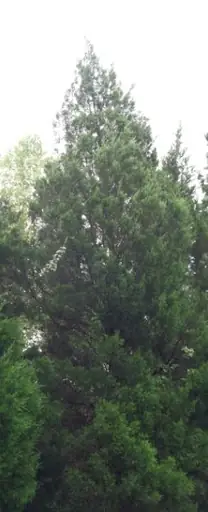
Juniperus virginiana, the eastern red cedar, is a tough, aromatic native conifer of eastern North America, found from Canada to the Gulf and famous for fragrant, moth-repelling wood and a pioneering habit on poor, dry, and abandoned ground. 'Lawrenceville' is a narrow, upright selection, a slender column of dense, dark evergreen foliage with short branches held close to the trunk, ideal where vertical form is wanted in a small footprint.
Red cedar carries deep cultural roots. The fragrant, rot-resistant heartwood has long lined cedar chests and closets to repel moths, and among many Native peoples the tree is one of the four sacred medicine plants, alongside tobacco, sage, and sweetgrass. The smoke was burned to cleanse a space before ceremony, and the leaves and twigs were brewed as a tea for coughs, colds, and canker sores. This is traditional-use information, shared for interest only, and not medical advice.
As a native, red cedar earns its keep in the living landscape. The small blue berry-cones, borne on female trees, feed cedar waxwings, robins, and other birds through winter and are spread widely by them, while the dense evergreen cover shelters wildlife and breaks the wind. Few trees are tougher, thriving in drought, heat, salt, and thin rocky or clay soils where little else will grow.
Use 'Lawrenceville' as a vertical accent, a narrow evergreen screen, a windbreak, or a formal row along a drive or boundary, in full sun and well-drained soil. The columnar form suits tight spaces and formal layouts, and the dark foliage makes a fine backdrop for lighter plants. Red cedar is an alternate host for cedar-apple rust, so keep the tree well away from apple and crabapple trees.
Więcej do odkrycia



Pytania i dyskusja