

Ta strona jest wyświetlana w oryginalnym języku. Tłumaczenie nie jest jeszcze dostępne.
Selekcja Seedsun
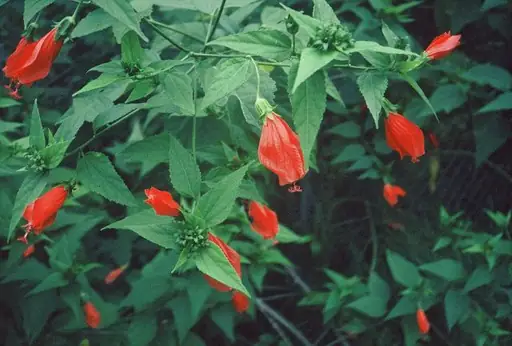
Malvaviscus arboreus
SKU: MALV-ARBO-01G
Malvaviscus arboreus, affectionately known as Turk's cap, has charmed gardeners for generations with vibrant, coiled blooms that never quite open, each red flower staying furled like a little turban, which is exactly how the plant earned its name. A close cousin of the hibiscus in the mallow.
Poproś o indywidualną wycenę
Ceny, rozmiary opakowań i dostępność zostaną potwierdzone w Państwa indywidualnej wycenie. Wysłanie zapytania nie oznacza złożenia opłaconego zamówienia.
Zapytaj o przydatność, wymagania dotyczące siewu i uprawy.
Potwierdź opcje dostawy i wymagane dokumenty w swojej ofercie.
O tej odmianie
Malvaviscus arboreus, affectionately known as Turk's cap, has charmed gardeners for generations with vibrant, coiled blooms that never quite open, each red flower staying furled like a little turban, which is exactly how the plant earned its name. A close cousin of the hibiscus in the mallow family, Malvaceae, this tough, subtropical shrub carries a story as rich as the scarlet flowers, and two more common names besides: wax mallow and sleeping hibiscus.
Turk's cap is native to the warm country of Mexico, Central America, and the Gulf Coast of the southern United States, where the shrub grows as a shady understory plant along forest edges, open woods, and riverbanks. Gardeners have cherished the plant for centuries, not only for beauty but for the steady support the flowers give to pollinators and wildlife through a long season.
The bright red flowers, two to three inches long, keep that elegant swirled form from late spring clear through fall, and often into winter where frost stays away. Hummingbirds find them irresistible, a vital late-season fuel for ruby-throated and black-chinned hummingbirds alike, and butterflies work them too. Small red fruits follow, like tiny apples, mildly sweet and edible, relished by finches, mockingbirds, and other birds, and the flowers themselves are edible as well.
In frost-free regions Turk's cap stands as a dense evergreen shrub; from about zone 8 the top dies down in winter and the plant returns with vigor from the root each spring. To carry a plant through a hard winter at the cold edge of the range, cut the top back in late fall and mound sand and mulch over the crown, removing it in spring. Heat and drought hold no terror for this shrub, and unusually for such a free bloomer, Turk's cap flowers well even in shade.
Give Turk's cap rich soil, ample water, and a hot, sunny to partly shaded spot, and the shrub becomes a centerpiece of the summer garden, four to six feet of continuous bloom in beds, borders, or an informal hedge. Whether grown for the botanical curiosity of those furled flowers, the parade of hummingbirds, or the easy, drought-proof toughness, Malvaviscus arboreus earns a place in any warm-climate garden.
Więcej do odkrycia



Pytania i dyskusja