
How to grow leeks
Seed to Harvest Growing Guide How to grow leeks A practical guide to starting slow-growing leeks, transplanting for long white shanks, maintaining even growth, and lifting clean, mild alliums from summer through winter. Start early for long growthPlant deeply for white shanksWater evenly for.
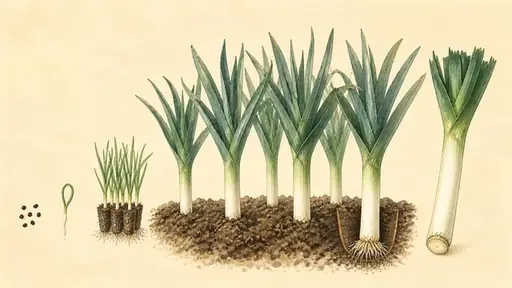
Seed to Harvest Growing Guide
How to grow leeks
A practical guide to starting slow-growing leeks, transplanting for long white shanks, maintaining even growth, and lifting clean, mild alliums from summer through winter.
Start early for long growthPlant deeply for white shanksWater evenly for tenderness Shop leek seed →Start the guide ↓ Crop family: Allium Start indoors8–12 weeksBefore transplantingSow depth1/4 inchGerminates in 7–14 daysLightFull sunRich, drained soilSpacing4–6 inchesRows about 24 inchesMaturity75–100 daysVariety dependentBefore you begin
Plan for time, depth, and clean shanks.
Leeks are non-bulbing alliums grown for their mild white shanks and blue-green leaves. They need a long, steady season but tolerate cool weather better than many vegetables.
Best first decisionChoose an early summer leek or a hardier fall-and-winter type. King Richard matures quickly but is not intended for overwintering; American Flag types take longer and suit later harvest.Build your leek plan
Plan the sowing window, bed, seed quantity, and harvest date.
Work backward from the desired harvest using the verified 75–100 day variety range plus the indoor seedling period.
When to sow leeksFind your local planting windowConnect frost dates and cool growing weather to indoor sowing and transplant time.Check leek timing →Lay out the leek bedReserve deep, workable soilPlan 4–6 inch plant spacing, 24-inch rows, and room to hill without burying leaf fans.Plan the leek bed →How much leek seedCalculate what you needEstimate seed from final spacing and start extras for uniform transplants.Calculate leek seed →Plan the harvest dateWork backward from harvestUse the chosen variety’s 75- or 100-day maturity to schedule planting.Calculate leek timing →Leeks at a glance
The path from seed to long white shank
Select any milestone to jump to its full instructions.
01Plan75–100 days02Start8–12 weeks early03TransplantPencil-thick starts04BlanchAs shanks thicken05ProtectScout weekly06HarvestAt useful diameterStage 1–3
Raise sturdy seedlings and transplant deeply
Leek seedlings look delicate but transplant well once they have a useful stem diameter.
01Sow early and densely
Start indoors 8–12 weeks before transplanting. Sow 1/4 inch deep in flats or containers and keep evenly moist.
- Expect emergence in 7–14 days.
- Provide bright light immediately.
- Trim floppy tops lightly only if handling becomes difficult.
Harden in cool weather
Acclimate seedlings gradually for 7–10 days. Transplant when stems approach pencil thickness, though smaller healthy plants also establish.
Keep roots moistSeparate seedlings gently and never leave fine roots exposed to sun or wind. 03Set into holes or a trench
Make 6-inch holes or a shallow trench, place one plant in each, and water soil around roots without packing soil into the leaf fan.
- Space plants 4–6 inches apart.
- Leave about 24 inches between rows.
- Do not fill deep holes completely at planting.
- Let irrigation and cultivation settle soil gradually.
Stage 4
Build long, tender shanks steadily
Leeks respond to even moisture, available nitrogen, shallow cultivation, and careful blanching.
WWater evenly
Keep the root zone consistently moist with deep irrigation; drought slows growth and toughens shanks.
FFeed steadily
Use fertile soil and side-dress according to a soil test because leeks grow for many weeks.
BBlanch carefully
Hill soil gradually around the stem or use deep planting holes, always keeping soil below the leaf junctions.
MMulch and weed
Suppress weeds without damaging shallow roots and mulch to conserve moisture after plants establish.
Growth checkpoints
Know what healthy progress looks like.
Judge leeks by stem thickness and clean upright growth, not just height.
7–14 daysLoop emergence
Seedlings often emerge bent like a loop before the tip straightens.
8–12 weeksTransplant ready
Blue-green seedlings have a sturdy base and well-branched roots.
MidseasonShank thickening
Leaf bases overlap into a firm, straight non-bulbing stem.
75–100 daysHarvest size
Shanks reach the useful diameter and length expected for the variety.
Stage 5
Diagnose leek problems early
Inspect leaf folds and lower foliage where small pests and moisture-related diseases begin.
PestOnion thripsSilvery streaks, speckling, and tiny insects in foldsInspect protected leaf folds, reduce drought and dust stress, use overhead rinsing early in the day where disease pressure allows, and conserve predators. Use labeled controls only after confirming thrips.
PestLeek mothWindowpane mines, split leaves, larvae, and frassUse insect netting before adult moths lay eggs, remove badly damaged tissue, destroy infested residue, and follow local extension alerts where leek moth occurs.
DiseasePurple blotchElongated purple-brown lesions with pale centersImprove airflow, rotate alliums, avoid overhead watering late in the day, remove infected residue, and manage thrips because feeding wounds can increase disease problems.
DiseaseAllium rustBright orange raised pustules on strap leavesSpace plants for airflow, avoid excess nitrogen and prolonged leaf wetness, rotate alliums, and remove heavily infected leaves or plants rather than composting diseased residue nearby.
Stage 6
Lift leeks when the shanks suit your kitchen
Leeks can be harvested at many sizes. Early varieties mature sooner; hardy varieties may remain in cool soil for an extended fall or winter harvest.
- Loosen: Slide a garden fork beside the row and lift rather than pulling against firm soil.
- Clean: Trim roots and damaged tops, then split or fan leaves under running water to remove trapped soil.
- Cool: Refrigerate unwashed leeks in a perforated bag, or wash just before cooking.
Choose with purpose
Select a leek for season and harvest date
Urban Farmer’s verified choices cover early summer harvest, dependable traditional shanks, and certified organic seed.
Extra early • 75 daysKing RichardA mild, broadly adapted summer leek with long white shanks; not intended for overwintering.Shop King Richard →Traditional • 100 daysLarge American FlagWidely adapted plants with creamy white 15–18 inch stalks and sweet flavor.Shop Large American Flag →Organic • 100 daysAmerican Flag OrganicHardy blue-green plants with uniform white stalks for dependable fall and winter harvest.Shop Organic American Flag →Questions gardeners ask
Leek growing FAQ
Quick answers for sowing, transplanting, blanching, harvest, and storage.
When should leek seed be started?Start indoors about 8–12 weeks before transplanting. Choose timing from the variety’s maturity and intended summer, fall, or winter harvest.
How deep should leek seed be sown?Sow about 1/4 inch deep and keep the mix evenly moist. Germination commonly takes 7–14 days.
Why do leek seedlings emerge in loops?The bent loop is normal for allium seedlings. The tip straightens as the first leaf emerges fully.
Should leek seedlings be trimmed?Light trimming can make very long indoor leaves easier to handle, but it is optional. Never cut into the growing point or over-stress seedlings.
How far apart should leeks be planted?Urban Farmer lists 4–6 inches between plants and about 24 inches between rows for its current varieties.
How are long white leek shanks produced?Transplant into deep holes or a shallow trench and hill gradually as plants grow. Keep loose soil out of the leaf fan.
Do planting holes need to be filled immediately?No. Place roots at the bottom, water them in, and allow irrigation and cultivation to settle soil gradually around the shank.
How much water do leeks need?Maintain consistent moisture throughout the long season. Deep watering and mulch prevent stress without leaving roots waterlogged.
Why is soil trapped inside my leeks?Soil was hilled above the leaf junctions or splashed into the fan. Hill only around the lower stem and wash harvested leeks between leaf layers.
When are leeks ready to harvest?Lift them when the white shank reaches a useful diameter. Current Urban Farmer varieties range from about 75 to 100 days.
Can leeks remain in the ground through winter?Hardy types may overwinter in suitable climates with mulch, but King Richard is not recommended for overwintering. Match the variety to local minimum temperatures.
How should harvested leeks be stored?Shake off loose soil, leave unwashed until use, and refrigerate in a perforated bag. Wash carefully between leaf layers before cooking.
Ready to plant?
Choose leeks for your harvest season.
Compare early King Richard with traditional and organic American Flag selections.
Shop all leek seed →



Perguntas e discussão