
How to grow melons
Seed to Harvest Growing Guide How to grow melons A practical guide to warm-soil planting, healthy vines, bee pollination, disease prevention, vine-ripening, and harvesting sweet muskmelons at peak flavor. Plant after frost in warm soilWater consistently while fruit developsRipen on the vine for.
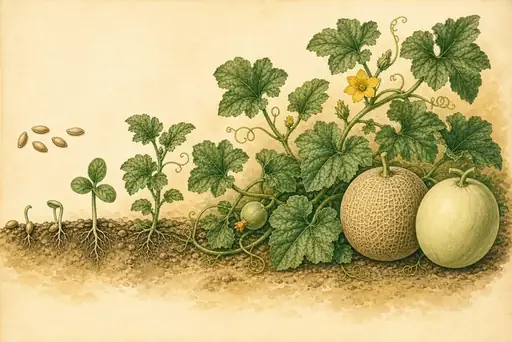
Seed to Harvest Growing Guide
How to grow melons
A practical guide to warm-soil planting, healthy vines, bee pollination, disease prevention, vine-ripening, and harvesting sweet muskmelons at peak flavor.
Plant after frost in warm soilWater consistently while fruit developsRipen on the vine for best sweetness Shop melon seed →Start the guide ↓ Crop family: Cucurbitaceae SeasonWarm seasonPlant after frost Depth1/2–1 inchUse warm, moist soil SunFull sunAt least 6–8 hours Spacing18–24 inchesRows at least 5 feet HarvestAbout 70–100 daysVariety and climate varyBefore you begin
Match the melon type to how you will grow and use it.
Melons are frost-tender, heat-loving vines. Netted muskmelons, smooth-skinned honeydews, Crenshaws, and specialty types differ in maturity and harvest cues, so choose a variety adapted to your season.
Best first decisionDo not rush planting. Seeds germinate and transplants establish best after soil reaches about 65°F and nights remain above 50°F.Build your melon growing plan
Time planting, reserve vine space, calculate seed, and schedule repeat harvests.
Connect warm-soil timing with the way you want to trellis, harvest, and preserve your crop.
When to plant melonsFind your local planting windowEnter your ZIP code to connect direct sowing and transplanting with local frost timing.Check melon timing → Lay out the melon bedPlan a trellis or vine runGive vines full sun, airflow, irrigation access, and room that matches the variety.Plan the melon bed → How much seedCalculate the seed you needEstimate seed quantity from row length, hills, spacing, and a small allowance for germination.Calculate melon seed → Keep harvests comingPlan a second melon sowingWhere the season is long enough, stagger sowings so younger vines replace declining plants.Plan succession dates →Melon at a glance
The path from seed to harvest
Select any milestone to jump directly to its full instructions.
01PlanAfter frost02Sow1 inch deep03PlantWarm soil04Grow70–100 days05ProtectScout often06HarvestAt full slipStage 1–3
Plant melons only after the garden is warm
Melons grow quickly but dislike cold soil and root disturbance. Direct sowing is simple; young container-grown transplants offer a modest head start.
01Choose the type and support
Choose cantaloupe, honeydew, Crenshaw, or another specialty melon based on flavor, maturity, disease resistance, and available season.
- Trellises save space and improve airflow, but developing fruit must be supported in slings.
- Ground-grown vines need wider paths and a clean mulch beneath fruit.
- Most melons require bees to move pollen from male to female flowers.
Sow directly or start briefly indoors
Sow 1/2–1 inch deep after frost when soil is above about 60°F. For an earlier crop, start o per cell about three weeks before transplanting.
Seedling targetTwo to four true leaves, compact growth, and roots that hold the mix without circling heavily. 03Thin or transplant without disturbing roots
Harden seedlings gradually and transplant at the same depth. Water immediately and protect young plants from wind and beetles.
- Space plants about 18–24 inches apart in rows at least 5 feet apart, or follow the packet for hills.
- Remove row cover when flowering begins so bees can reach the flowers.
- Mulch only after soil is warm.
- Keep cultivation shallow because roots are close to the surface.
Stage 4
Keep vines watered, open to light, and actively flowering
Even moisture is especially important while fruit sets and enlarges. Good airflow, restrained nitrogen, and pollinator access support a long harvest.
WWater
Supply roughly 1 inch per week, more in heat or sandy soil. Water deeply at the base and avoid repeated moisture swings.
FFeed
Use a soil test. Excess nitrogen creates lush vines with fewer flowers; side-dress lightly as vines begin to run if needed.
TTrain
Guide vines onto a sturdy trellis only when space is limited, and support every enlarging fruit with a sling. Keep paths open for pollinators and scouting.
PPollinate
Most varieties need bees to move pollen from male to female flowers. Avoid insecticide applications when flowers are open.
Growth checkpoints
Know what to watch for.
Use plant development—not only the calendar—to time support, feeding, pollination checks, and harvest.
2–4 true leavesThin or transplant
Keep the strongest seedlings and avoid damaging the shallow roots of plants that remain.
Vines beginning to runTrain and side-dress
Guide vines to support and apply only the fertility indicated by soil or plant growth.
First flowersProtect pollinators
Male flowers often appear first. Female flowers carry a tiny melon behind the petals.
Fruit sizing quicklyHarvest watch
Check vines daily or every other day so fruit does not become oversized, yellow, or seedy.
Stage 5
Diagnose melon problems early
Open a symptom to compare what you see, likely causes, and the next practical check.
PestCucumber beetlesStriped or spotted beetles, ragged holes, scarred stems, and wilt riskProtect seedlings with row cover before flowering, scout undersides and growing points, rotate cucurbits, and remove nearby cucurbit weeds. Beetles can spread bacterial wilt, so early exclusion is especially valuable.
DiseaseBacterial wiltIndividual leaves or whole runners wilt suddenly and do not recover overnightThere is no cure for an infected vine. Remove it promptly, control cucumber beetles, and do not move sap or tools from affected vines to healthy plants.
DiseasePowdery mildewWhite powdery patches spread across older leaves and reduce vine vigorChoose resistant varieties, provide spacing and airflow, remove badly affected leaves without stripping the vine, and rotate planting sites. Apply any labeled treatment early, not after the canopy is heavily infected.
Growing conditionPoor fruit setFemale flowers yellow, abort, or fail to enlargeMale flowers appear first. Cool or wet weather, few bee visits, overcrowding, heat, and water stress can prevent female flowers from setting. Protect pollinators and maintain even moisture.
Stage 6
Ripen melons fully on healthy vines
Harvest cues depend on type. Netted muskmelons turn tan between the netting and release at half-slip or full-slip; honeydews soften and change color but usually must be cut.
- Check: Look for the variety-specific background color, aroma, slight blossom-end softness, and stem-slip cue.
- Cut: Allow slip-type muskmelons to release naturally; cut non-slip types with clean shears.
- Store: Cool promptly. Melons keep best around 50–55°F; household refrigeration is useful for short storage.
Choose with purpose
Find the right melon variety
Compare melon type, maturity, fruit size, flavor, storage, and disease resistance.
Italian cantaloupeTuscanyDeeply ribbed fruit with rich flavor, a small seed cavity, and useful refrigerator storage.Shop Tuscany → Storage and resistanceThunderstruckEastern-type melon with strong sweetness, extended storage, and intermediate disease resistance.Shop Thunderstruck → Specialty melonWhite CrenshawCreamy light flesh, sweet juicy flavor, and vigorous foliage for long summer gardens.Shop White Crenshaw →Questions gardeners ask
Melon growing FAQ
Quick answers for sowing, flowers, pollination, trellising, fruit quality, harvest, and storage.
When can melons be planted outdoors?Plant after frost when soil reaches about 65°F and nights generally remain above 50°F. Cold soil slows germination and increases seedling stress.
Should melons be direct sown or transplanted?Direct sowing works well in warm soil. Transplants can gain a short head start, but start them only three to four weeks early in individual containers because melons dislike root disturbance.
Why are there flowers but no melons?Male flowers commonly appear before female flowers. If female flowers form but the tiny fruit aborts, heat, water stress, or too few bee visits may be responsible.
How can male and female flowers be identified?Female flowers have a tiny melon-shaped ovary directly behind the petals. Male flowers grow on a plain slender stem.
Do melons need a trellis?No. Trellising can save space, improve airflow, and keep fruit cleaner, but the structure must be sturdy and every enlarging melon should be supported in a breathable sling.
How far apart should melons be planted?A useful starting point is 18–24 inches between plants with rows at least 5 feet apart. Vigorous ground-grown vines may need more room; follow the variety directions.
Why are my melons not sweet?Cool or cloudy weather, damaged foliage, excessive nitrogen, water stress, an unadapted variety, or harvesting too early can reduce sweetness. Melons soften after picking but do not gain sugar.
Why do female flowers fail to set fruit?Cool wet weather can reduce bee activity, while overcrowding, extreme heat, and moisture stress can interrupt development. Avoid insecticides while flowers are open and encourage pollinator visits.
How much water do melon plants need?A general target is about 1–2 inches per week, adjusted for heat, soil, rainfall, and containers. Keep moisture steady while vines and fruit develop, then avoid sudden overwatering near ripeness.
When should melons be harvested?For netted muskmelons, wait for tan background color, aroma, and half-slip or full-slip. Cut honeydew and other non-slip types when their variety-specific color and softness cues appear.
Do melons become sweeter after harvest?No. Muskmelons may soften after harvest, but sugar accumulation stops when the fruit is picked. Vine ripening produces the best flavor.
How should melons be stored?Refrigerate ripe muskmelons promptly and use them within several days. Some honeydews and specialty melons store longer; follow the variety description and refrigerate all cut melon.
Ready to plant?
Choose melons for your garden.
Compare cantaloupes, honeydews, Crenshaws, specialty types, maturity, flavor, storage, and disease resistance.
Shop all melon seed →



Perguntas e discussão