
How to grow watermelons
Seed to Harvest Growing Guide How to grow watermelons A practical guide to sowing watermelons in warm soil, managing vigorous vines, supporting pollination, diagnosing common problems, and curing mature fruit for storage. Plant after frost in warm soilLeave room for vigorous vinesCut when ripe.
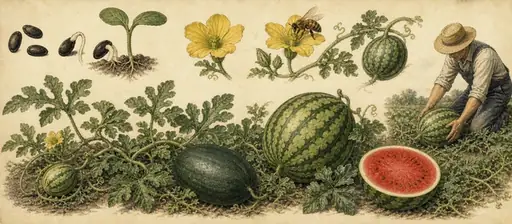
Seed to Harvest Growing Guide
How to grow watermelons
A practical guide to sowing watermelons in warm soil, managing vigorous vines, supporting pollination, diagnosing common problems, and curing mature fruit for storage.
Plant after frost in warm soilLeave room for vigorous vinesCut when ripe mature fruit Shop watermelon seed →Start the guide ↓ Crop family: Cucurbitaceae SeasonWarm weatherFrost-tender annualSow depth1 inchSoil at least 70°FLightFull sun8 or more hoursSpacing3–6 feetMore for giant vinesHarvest70–100 daysVariety dependentBefore you begin
Match the watermelon to your season and space.
Watermelons range from compact miniatures to vines that travel 20 feet and fruit weighing over 100 pounds. Begin with the variety’s mature size and days to maturity, then reserve enough sun and frost-free time.
Best first decisionChoose the harvest use first: icebox, picnic, yellow-fleshed, seeded, or seedless fruit. Fruit size alone does not predict eating quality.Build your watermelon-growing plan
Plan warm planting, vine space, seed quantity, and fall harvest.
Watermelons need a long runway from warm-soil sowing to fully colored fruit before frost.
When to plant watermelonsFind your local planting windowUse your ZIP code to connect last frost with warm soil and enough frost-free days.Check watermelon timing →Lay out the watermelon patchReserve full-sun vine spaceKeep runners accessible and avoid shading smaller crops.Plan the watermelon bed →How much watermelon seedCalculate the seed you needEstimate hills and final plants from variety spread and bed size.Calculate watermelon seed →Plan the harvest dateWork backward from autumnUse days to maturity to target ripe watermelons before your first hard frost.Calculate watermelon timing →Watermelons at a glance
The path from seed to harvest
Select any milestone to jump directly to its full instructions.
01PlanAfter frost02SowWarm soil03Thin2–3 leaves04PollinateFirst flowers05ProtectScout weekly06Harvest70–100 daysStage 1–3
Sow after frost and give vines room
Warm soil and intact roots let watermelons establish quickly enough to outrun pests and mature before fall.
01Prepare the patch
Choose fertile, well-drained soil in full sun. Work compost into the bed and install drip irrigation before vines cover the ground.
- Allow 3–6 feet between typical plants.
- Give large-fruited or long-vined types more room.
- Avoid low areas that stay wet.
Sow or transplant
Direct sow 1 inch deep after frost when soil is at least 70°F, placing 2–3 seeds per hill. In short seasons, start indoors 2–3 weeks early in individual pots.
Protect the rootsHarden seedlings carefully and transplant before they become root-bound. 03Thin and guide vines
Keep the strongest plant per station, mulch after soil warms, and guide runners toward open ground while they are flexible.
- Cut extras instead of pulling them.
- Protect seedlings from cucumber beetles.
- Keep weeds controlled before runners spread.
Stage 4
Support flowers, fruit set, and steady growth
Deep water, healthy leaves, and active pollinators help a large vine finish mature fruit.
WWater deeply
Supply 1–2 inches weekly at soil level, keeping moisture even during flowering and fruit enlargement.
PProtect pollinators
Male flowers appear first; avoid insecticides during bloom and hand-pollinate early in the morning if fruit set is poor.
FFeed moderately
Follow a soil test. Excess nitrogen grows leaves at the expense of flowers and delays ripening.
RRaise fruit
Slide straw, a board, or a tile under enlarging watermelons to reduce soil contact and improve air movement.
Growth checkpoints
Know what to watch for.
Flower sequence, fruit set, rind development, and stem color reveal the crop’s progress.
Early growthVigorous runners
Leaves expand without beetle damage or sudden wilting.
First bloomMale flowers first
Female flowers with a tiny fruit at the base follow as vines mature.
After pollinationFruit enlarges
The flower closes while the young watermelon remains green and steadily swells.
Late seasonCreamy ground spot and dry nearest tendril
Fruit reaches full color and the rind resists a thumbnail.
Stage 5
Diagnose watermelon problems early
Open a symptom to compare what you see, likely causes, and the next practical check.
PestCucumber beetlesBronze egg clusters, stippling, and wilting leavesInspect leaf undersides, crush egg masses, handpick adults and nymphs, remove hiding places, and clean up vines after harvest.
PestFusarium wiltSudden runner wilt and sawdust-like frassCheck the crown, remove larvae carefully where practical, mound soil over undamaged nodes to encourage rooting, and rotate the patch next season.
DiseaseAnthracnoseWhite powdery patches on mature leavesImprove spacing, water at soil level, choose resistant varieties, and protect healthy foliage with a labeled treatment before disease becomes severe.
Fruit setPoor pollinationTiny fruit yellows and rots after the flower closesEncourage bees, avoid spraying during bloom, and hand-pollinate in the morning by transferring fresh pollen from a male flower to a female flower.
Stage 6
Cut ripe watermelons at peak sweetness
Full color helps, but rind hardness and a dry dry nearest tendril are better maturity signals.
- Check: The rind resists a thumbnail, the underside has colored, and the stem is hard and corky.
- Cut: Use pruners and leave a 3–4 inch handle; never carry fruit by the stem.
- Cool: Hold 7–10 days around 80–85°F with airflow, then store cool, dry, and above freezing.
Choose with purpose
Match watermelon type to space and serving size
Compare a compact icebox heirloom, an organic large picnic melon, a space-saving bush type, and a miniature seedless hybrid.
Classic icebox heirloomSugar BabyQuick, round 8–12 pound fruit with dark rind and sweet red flesh.Shop Sugar Baby →Large organic picnic typeJubilee OrganicStriped 25–40 pound fruit with sweet red flesh and disease resistance.Shop Jubilee Organic →Space-saving organicBush Sugar Baby OrganicSweet icebox fruit on compact vines about 3½ feet long.Shop Bush Sugar Baby →Mini seedless hybridOcelot F1Striped 3–5 pound seedless fruit; plant with a compatible seeded pollinator.Shop Ocelot →Questions gardeners ask
Watermelon growing FAQ
Quick answers for planting, spacing, pollination, pruning, watering, containers, ripeness, curing, and storage.
When should watermelons be planted?Plant after frost when soil is at least 70°F. Count backward from first frost to ensure the variety has enough days to mature.
How deep should watermelon seed be planted?Sow about 1 inch deep, placing 2–3 seeds per hill and thinning to the strongest plant after establishment.
How far apart should watermelons be spaced?Most need 3–6 feet between plants and wider rows. Giant and long-vined varieties require substantially more room.
Can watermelons be started indoors?Yes. Start 2–3 weeks before transplanting in individual pots and set out after frost without disturbing roots.
Why do I have flowers but no watermelons?Male flowers appear first. Later failure can result from low pollinator activity, heat, drought, or excessive nitrogen.
How do I hand-pollinate watermelon flowers?In the morning, move fresh pollen from a newly opened male flower onto the central stigma of a newly opened female flower.
How often should watermelons be watered?Provide 1–2 inches weekly, adjusted for soil and heat. Water deeply at the base and keep foliage dry when possible.
Should watermelon vines be pruned?Pruning is optional. Remove only damaged growth or carefully limit runners after enough fruit has set; never remove too much healthy leaf area.
Can watermelons grow in containers?Compact bush or miniature types can. Use a very large container, full sun, rich mix, steady water, and support fruit if vines climb.
How can I tell when a watermelon is ripe?Look for mature color, a rind that resists a thumbnail, and a dry dry nearest tendril. The ground spot should no longer be pale green.
How long should watermelons cure?Cure about 7–10 days near 80–85°F with good airflow, protecting fruit from rain, freezing temperatures, and intense sunscald.
How should cured watermelons be stored?Store in a cool, dry, ventilated place around 50–55°F when possible. Keep fruit off concrete and inspect regularly for soft spots.
Ready to plant?
Choose watermelons for your garden.
Compare pie, carving, miniature, giant, ornamental, hulless-seed, organic, heirloom, and hybrid varieties.
Shop all watermelon seed →



Perguntas e discussão