

Esta página é exibida em seu idioma original. A tradução ainda não está disponível.
A seleção Seedsun
Chionanthus virginicus
SKU: CHIO-VIRG-01G
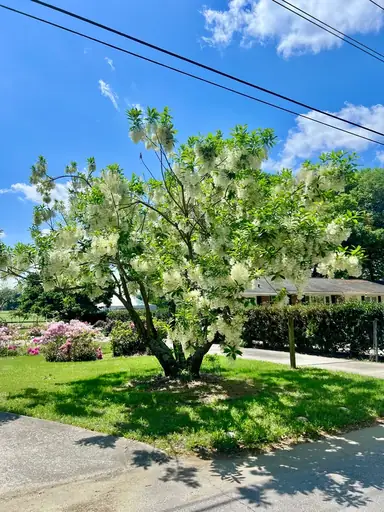
The native fringetree is one of the great small trees of the southern spring. Chionanthus virginicus, a deciduous large shrub or small tree, often multi-stemmed, hangs the whole canopy with fleecy, drooping panicles of narrow white petals in spring, soft as torn paper and lightly fragrant, a look.
Solicite um orçamento personalizado.
Os preços, tamanhos das embalagens e disponibilidade serão confirmados em seu orçamento personalizado. O envio de uma consulta não implica na efetivação de um pedido pago.
Informe-se sobre a adequação, o período de semeadura e os requisitos de cultivo.
Confirme as opções de entrega e os documentos necessários em seu orçamento.
Sobre esta variedade
The native fringetree is one of the great small trees of the southern spring. Chionanthus virginicus, a deciduous large shrub or small tree, often multi-stemmed, hangs the whole canopy with fleecy, drooping panicles of narrow white petals in spring, soft as torn paper and lightly fragrant, a look that earned the old country names old man's beard and grancy graybeard. On female plants the flowers give way to clusters of raisin-sized, deep blue-purple fruits that birds take quickly.
grows the southern form, which some botanists have called Chionanthus henryi, with leaves that are narrower, more glossy, and of heavier texture than those of the northern form, a handsomer plant in leaf as well as in flower. The fringetree carries a long American history beyond the garden as well: Native peoples and later settlers used a tea of the root bark to wash wounds and sores, and nineteenth-century Eclectic physicians prized the dried root bark, which they called Chionanthus, as a bitter tonic for the liver and gallbladder.
In the garden, the fringetree is an easy, adaptable, four-season ornamental, grown in sun or light shade in good, well-drained soil. Use the tree as a specimen near a path, a patio, or a window where the spring fleece and light fragrance can be enjoyed close up, and give a darker backdrop to set off the white. Underplant with shade-tolerant natives, and pair with dogwoods and native azaleas that share the spring season. A female plant set near a male will fruit for the birds.
Há muito mais para descobrir.



Perguntas e discussão