

Esta página é exibida em seu idioma original. A tradução ainda não está disponível.
A seleção Seedsun
Itea oldhamii
SKU: ITEA-OLDH-01G
Itea, the sweetspires, are graceful shrubs of the family Iteaceae, named from the Greek word for willow after their willow-like leaves. Itea oldhamii is a little-known evergreen sweetspire from Taiwan, a compact shrub with an unusual party trick: the juvenile leaves can be holly-like, edged with.
Solicite um orçamento personalizado.
Os preços, tamanhos das embalagens e disponibilidade serão confirmados em seu orçamento personalizado. O envio de uma consulta não implica na efetivação de um pedido pago.
Informe-se sobre a adequação, o período de semeadura e os requisitos de cultivo.
Confirme as opções de entrega e os documentos necessários em seu orçamento.
Sobre esta variedade
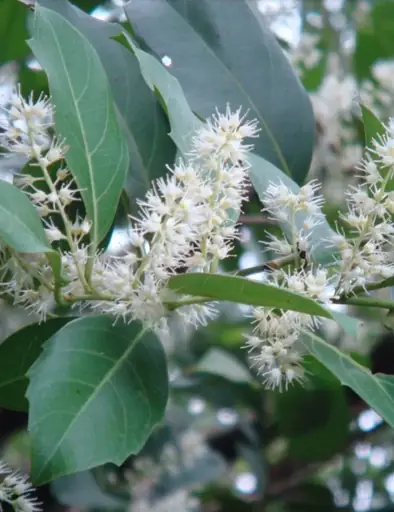
Itea, the sweetspires, are graceful shrubs of the family Iteaceae, named from the Greek word for willow after their willow-like leaves. Itea oldhamii is a little-known evergreen sweetspire from Taiwan, a compact shrub with an unusual party trick: the juvenile leaves can be holly-like, edged with small teeth, while the mature leaves settle to a smooth, entire margin. In late spring the plant carries racemes of small white flowers over glossy evergreen foliage.
Rarely seen in American gardens, Itea oldhamii owes what foothold it has in the United States largely to , who may have been the first nursery to offer the plant to gardeners here. Little studied and seldom grown, the Taiwan sweetspire is a plant for the collector and the curious, an easy, clean broadleaf evergreen with a quiet charm and an uncommon pedigree.
In the garden the plant has grown well in semi-shade, in good soil kept moist but well-drained, and like the rest of the genus asks little once settled. The compact habit and evergreen leaves make Itea oldhamii a tidy, year-round presence rather than a seasonal spectacle.
Use the Taiwan sweetspire as a refined evergreen in a shaded or woodland border, a foundation planting, or a collector's bed, where the changing leaf shape and spring flowers reward a close look. Pair with camellias, ferns, and other broadleaf evergreens in cool, moist, shaded ground, and give shelter in the colder end of the range. The white spring racemes draw bees.
Flowering photo courtesy of Chen Shuhui.
Há muito mais para descobrir.



Perguntas e discussão