

Esta página é exibida em seu idioma original. A tradução ainda não está disponível.
A seleção Seedsun
Quercus lyrata
SKU: QUER-LYRA-01G
The overcup oak is named for a small piece of botanical theater: an acorn so nearly swallowed by its cup that only the tip shows, sealed up as if against the floodwaters the tree was born to. Quercus lyrata is a creature of the southern bottomlands, the broad floodplains and backswamps from the.
Solicite um orçamento personalizado.
Os preços, tamanhos das embalagens e disponibilidade serão confirmados em seu orçamento personalizado. O envio de uma consulta não implica na efetivação de um pedido pago.
Informe-se sobre a adequação, o período de semeadura e os requisitos de cultivo.
Confirme as opções de entrega e os documentos necessários em seu orçamento.
Sobre esta variedade
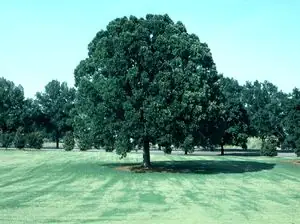
The overcup oak is named for a small piece of botanical theater: an acorn so nearly swallowed by its cup that only the tip shows, sealed up as if against the floodwaters the tree was born to. Quercus lyrata is a creature of the southern bottomlands, the broad floodplains and backswamps from the Mississippi Delta to the Carolina river bottoms, standing through the cycles of flood and drawdown that drown lesser trees.
That patience is the whole of their character. They belong to the white oak group, carry lyre-shaped lobed leaves that give the species the name, and grow slowly into a stout, round-crowned shade tree of sixty to eighty feet.
What the wild bottoms taught them turns out to be exactly what a hard site in town wants: an oak almost indifferent to the soil, taking heavy clay, standing water, compaction, and summer drought with the same composure, which is more than most trees will give you on a parking lot island or a stormwater edge. The heavy acorns float, the way the whole strategy floats, riding the next high water downstream and feeding wood ducks and turkeys along the way.
Plant overcup oak where the ground is difficult and the timeline is long: a bottomland or rain garden, a pond or stream edge, a stormwater basin, or a tough urban site, a parking island, a street verge, a compacted lawn, that would defeat a fussier tree. Give full sun and room for a broad, round crown, pair with bald cypress, swamp tupelo, and other bottomland natives on wet ground, and enjoy one of the most adaptable and underused of the native shade oaks.
Há muito mais para descobrir.



Perguntas e discussão