
How to Identify and Control Caraway Pests and Diseases
Caraway, Carum carvi, is an aromatic herb best known for bearing the fruit, or seed, that flavors classic rye bread. Caraway is also easy to grow and is a great addition to the kitchen garden. In this guide, you will learn to manage pests and diseases that are common to the caraway plant by taking.
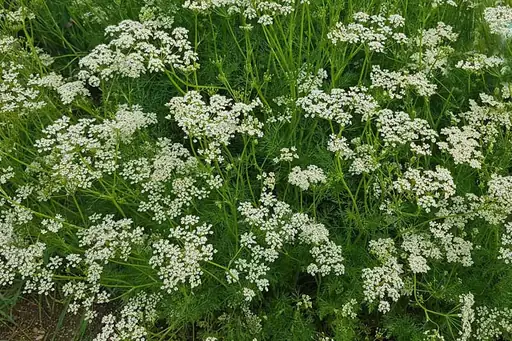
Caraway, Carum carvi, is an aromatic herb best known for bearing the fruit, or seed, that flavors classic rye bread. Caraway is also easy to grow and is a great addition to the kitchen garden.
In this guide, you will learn to manage pests and diseases that are common to the caraway plant by taking preventative measures, recognizing signs of trouble, and controlling an infestation or infection.
What You Will Learn
- An Ounce of Prevention
- Pest Patrol
- Carrot Rust Fly
- Grasshopper
- Leafhopper
- Parsley Worm
- Addressing Disease
- Aster Yellows
- Damping Off
- Phoma Blight
- Powdery Mildew
An Ounce of Prevention
When it comes to resistance to pests and diseases, your best defense is to start with healthy plants. When available, select seed that has been bred for disease resistance, and always purchase plants from reputable growers.
If you are starting seeds indoors to get a jump on the growing season, consider using a sterilized, disease-free potting medium.
Keep plants in top condition by planting them in soil that drains well. Standing water may cause roots to rot.
Ensure that plants have adequate air circulation by considering their mature dimensions and following the instructions on seed packets. Overcrowding may raise humidity and create a breeding ground for fungus.
Water efficiently. Plants that are over- or under-watered become stressed and vulnerable to infestation and infection.
Weed regularly. Weeds are water hogs that deprive plants of moisture and nutrients, increasing their vulnerability to pests and disease. In addition, thick growth around your plants attracts insects who seek shelter near their favorite plant foods.
And finally, to avoid pests altogether and minimize the risk of disease, grow your edible plants under floating row covers.
Pest Patrol
Even with the best practices, the occasional pest may attempt to make your plants home. Here are some to watch out for:
Carrot Rust Fly
As a member of the Apiaceae family, C. carvi is prone to attracting the carrot rust fly (Psila rosae), a tiny winged insect with a reddish head and black body.
Carrot rust fly (Psila rosae). Photo by Martin Cooper via CC 2.0.Its larvae may feed on roots, particularly those of seedlings, deforming them, making them vulnerable to disease, and possibly killing the plants altogether.
Carrot rust fly maggot. Photo by Rasbak via GFDL and CC 3.0.Floating row covers offer the best way to avoid this insect. You may also try hanging sticky traps near your plants to catch adult flies, as well as applying food-grade diatomaceous earth to inhibit the laying of eggs in the soil.
Get more tips on identifying and controlling carrot rust flies here.
Grasshopper
This pest feeds on a variety of food crops. One way to stay ahead of it is to introduce flowering foliage to attract beneficial insects that feed on it. Another is to install bird feeders and baths for your feathered friends, who also enjoy feasting on this pesky insect.
Grasshoppers and locusts are definitely not picky eaters and can damage a garden in a hurry.Be sure to keep weeds down so they have no place to hide, and if all else fails, regular applications of neem oil may do the trick.
Leafhopper
Leafhoppers, the common name for any species in the Cicadellidae family, are small, often greenish insects that propel themselves in a leaping fashion.
Differing in color, there are hundreds of species of leafhoppers. Some are specialists that feed on only one type of plant, while many are generalists that will attack a wide variety of vegetation.They move from leaf to leaf, sucking sap, and causing deformation and yellowing. With each leaf puncture, they may spread diseases like aster yellows (more on this below).
The best way to rid your foliage of this pest is with applications of food-grade diatomaceous earth.
Parsley Worm
This voracious feeder is the larvae of the black swallowtail butterfly. It’s green with black bands flecked by yellow.
Plant enough to share with these beautiful guys. They develop into black swallowtail butterflies.Either remove by hand picking or apply an environmentally-friendly Bt (Bacillus thuringiensis) product.
Or better yet, plant enough umbellifer-type plants (carrots, parsley, dill, caraway, fennel, and so on) to ensure that there is more than enough to go around. The adult butterflies are beautiful pollinators. The worms generally prefer parsley over other umbellifers, so plant it as a companion trap crop.
Addressing Disease
As for disease, we’ve already mentioned how conditions like under- or over-watering, poor drainage, weed overpopulation, or poor air circulation between plants may render your herbs vulnerable. Most of the potential issues your plants may face are fungal, and originate at the soil level.
Some common diseases you may encounter are:
Aster Yellows
This disease is borne by the leafhopper, and as its name indicates, leaves turn yellow and deteriorate, causing failure to set fruit.
There is no treatment for this condition. Remove affected plants from the garden to inhibit its spread, and dispose of them in the trash.
Read more about aster yellows here.
Damping Off
Seedlings that suffer from this condition are affected by one of numerous types of fungi that live in soil. Rotting starts at the roots and works its way up, causing foliage to fall over, dead.
Avoidance measures include using quality potting soil in containers and providing adequate air circulation between plants. And while there’s no cure, removing affected plants and applying a fungicide, like neem oil, may inhibit its spread.
Read more about this condition here.
Phoma Blight
This fungal disease has multiple sources and may be present on the seed itself. Symptoms on mature caraway plants are discolored lesions that spread and destroy plant tissue.
Your first line of defense is to purchase from reputable purveyors and select disease-resistant plants or seed when available.
There is no cure for this condition, but an application of a fungicide like neem oil may slow its progression. Be sure to remove all affected plants from the garden.
Powdery Mildew
This fungal disease also has more than one source. It creates a telltale powdery white coating on leaves that may progress to stems and blossoms and prevent fruit from setting.
Powdery mildew on caraway’s close cousin, parsley, caused by the fungus Erysiphe heraclei.Remove affected leaves immediately and apply neem oil, or a comparable fungicide, to slow its spread.
Read more about treating powdery mildew here.
Like a Good Scout
Nature is fickle. We can’t control the weather, make every seed germinate, or keep all the pests and diseases away.
However, by using preventative measures, recognizing trouble, and taking steps to control an infestation or outbreak, we have every opportunity for success.
Like the scouts say, “Be prepared,” and things will turn out well more often than not.
Be sure to read all of our caraway growing guides including:
- How to Plant and Grow Caraway
- When and How to Harvest Caraway Seed
- Tips for Growing Caraway in Containers
- X

Вопросы и обсуждение