
Эта страница отображается на языке оригинала. Перевод пока недоступен.
Выбор Seedsun
Brittany Gold Apricot Tree
Артикул: FT068
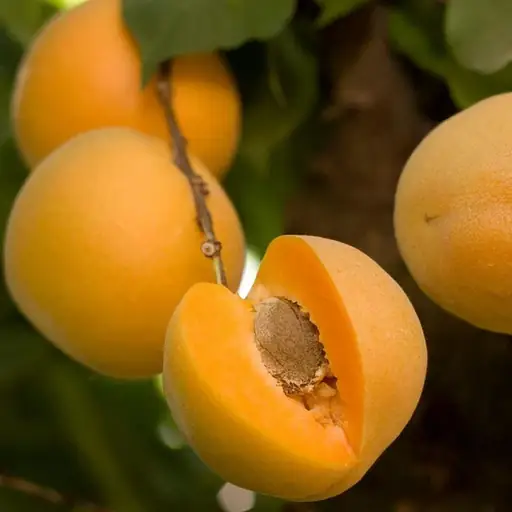
Brittany Gold stands out for large, evenly yellow apricots with firm freestone flesh and an unusually fine grain. The texture is smooth rather than mealy, while plentiful juice and clean sweetness make each fruit appealing for fresh slices. Because the flesh remains substantial, the harvest also.
Запросите индивидуальное предложение.
Цены, размеры упаковки и наличие товара уточняются в вашем индивидуальном предложении. Отправка запроса не является оформлением платного заказа.
Уточните пригодность, требования к посеву и выращиванию.
В вашем коммерческом предложении уточняйте варианты доставки и необходимые документы.
Об этом сорте
Brittany Gold stands out for large, evenly yellow apricots with firm freestone flesh and an unusually fine grain. The texture is smooth rather than mealy, while plentiful juice and clean sweetness make each fruit appealing for fresh slices. Because the flesh remains substantial, the harvest also performs well in baking, drying, canning, and preserves. The crop generally arrives in early summer, bringing a polished golden fruit to the orchard near the beginning of apricot season.
Choose a full-sun location with soil that sheds excess water readily. This bare-root, semi-dwarf tree develops a vigorous canopy, so annual pruning should preserve a strong framework while admitting light and air. Brittany Gold may set generously. Thinning crowded fruit supports better size, reduces competition within clusters, and limits the weight carried by young branches. Deep, regular watering during establishment is preferable to frequent shallow irrigation.
The variety is self-fruitful, so it does not need a separate pollinizer to bear. Gardeners building a longer apricot harvest can still plant another compatible cultivar nearby. Consider Earli Autumn Apricot, Katy Apricot, or Harcot Apricot as orchard companions selected for their own fruit qualities and seasonal timing.
Brittany Gold Apricot Tree Details
- Plant form: Bare-root, semi-dwarf apricot tree
- Fruit: Large, uniformly yellow freestone apricots
- Texture and flavor: Fine-grained, firm, juicy, and sweet
- USDA zones: 7–9
- Chill requirement: About 500–700 hours below 45°F
- Pollination: Self-fruitful; no second tree is required
- Typical harvest: Early summer, varying by location
- Best uses: Fresh eating, baking, drying, canning, and preserves
Use the bare-root tree selection guide for orchard planning and our planting guide when preparing the new tree's site.
Ещё многое предстоит узнать
Вопросы и обсуждение