
How to grow tomatoes
Seed to Harvest Growing Guide How to grow tomatoes A practical, stage-by-stage guide to starting tomato seed, raising sturdy transplants, caring for fruiting plants, and harvesting flavorful tomatoes. Start indoors 6–8 weeks before transplantingTransplant warm after frost dangerSupport early with.
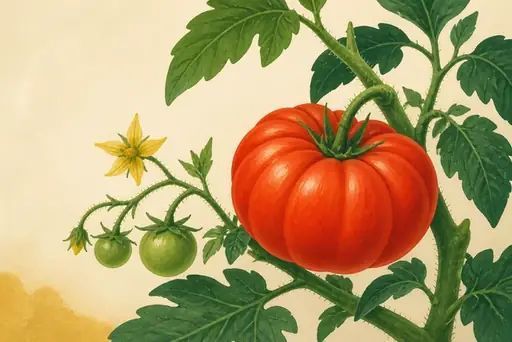
Seed to Harvest Growing Guide
How to grow tomatoes
A practical, stage-by-stage guide to starting tomato seed, raising sturdy transplants, caring for fruiting plants, and harvesting flavorful tomatoes.
Start indoors 6–8 weeks before transplantingTransplant warm after frost dangerSupport early with cages, stakes, or trellises Shop tomato seed →Start the guide ↓ Crop family: Vegetable Start seed6–8 weeks earlyBefore transplanting outdoors Plant outdoorsAfter frostWarm soil and mild nights SunFull sunAt least 6–8 hours Spacing18–36 inchesAdjust for habit and support Harvest55–90+ daysUsually counted from transplantBefore you begin
Set the crop up for success.
Tomatoes need warm weather, full sun, steady moisture, good airflow, and sturdy support. Their growth habit determines how much room they need and how long they continue producing.
Best first decisionChoose determinate plants for a concentrated harvest or indeterminate vines for continued growth and picking.Build your tomato-growing plan
Plan for strong plants and a long harvest.
Find the right transplanting window, reserve enough room and support, calculate the number of plants, and combine maturity dates for tomatoes across the season.
When to plant tomatoesFind your local tomato windowEnter your ZIP code to check indoor-starting and transplant timing for your USDA zone and current season.Check tomato timing → Lay out the tomato bedLeave room for support and airflowUse the Garden Planner to space tomato plants, place cages or trellises, and coordinate companion crops without crowding.Plan the tomato bed → How much tomato seedCalculate the seed you needEstimate seed and plant counts from bed size, chosen spacing, germination allowance, and the number of varieties you want to grow.Calculate tomato seed → Spread the tomato harvestCombine maturity datesPlan early, midseason, and late varieties—or a second planting where the season allows—to keep fruit coming longer.Plan tomato harvests →Tomatoes at a glance
The path from seed to harvest
Select any milestone to jump directly to its full instructions.
01Plan6–8 weeks before transplanting02Start6–8 weeks before last frost03TransplantAfter frost and warm soil04GrowVegetative growth through fruit set05ProtectScout at least weekly06HarvestAbout 55–90+ days from transplantStage 1–3
Plan, start, and transplant
Tomatoes perform best when seedlings stay compact, the garden is genuinely warm, and support is installed before vigorous growth begins.
01Choose the right tomato
Match growth habit, maturity, fruit type, and disease resistance to your climate and garden space.
- Determinate plants stay more compact and ripen much of their crop in a shorter period.
- Indeterminate plants keep growing and producing until frost or severe stress.
- Reserve the sunniest practical site and rotate away from recent tomato, pepper, potato, or eggplant beds when possible.
Start sturdy seedlings
Sow about 1/4 inch deep in clean seed-starting mix 6–8 weeks before the planned transplant date. Keep the mix warm and evenly moist, then provide strong light immediately after emergence.
Seedling targetShort stems, deep green leaves, a well-filled root ball, and no open flowers before hardening off. 03Harden and transplant
Expose seedlings gradually to outdoor sun, wind, and cooler temperatures for about a week. Plant after frost danger when soil is warm and nights are reliably mild.
- Remove leaves that would be buried and set leggy plants deeper or in a shallow trench.
- Space about 18–24 inches for trained vines and 24–36 inches or more for large caged or bushy plants.
- Water in thoroughly and add cages, stakes, or trellises at planting.
- Avoid working around plants while foliage is wet.
Stage 4
Care through the growing season
Steady soil moisture, timely support, and dry foliage help tomatoes flower, set fruit, and stay productive.
WWater
Water deeply at soil level and keep moisture as even as practical. Sudden wet-and-dry swings encourage cracking and blossom-end rot.
FFeed
Use a soil test and avoid excessive nitrogen, which can produce lush leaves with fewer flowers. Side-dress only as growth and soil fertility justify.
SSupport
Tie vines loosely as they grow and check that cages or trellises remain stable. Prune only when the chosen training system benefits from it.
MMulch
After the soil warms, add clean mulch to conserve moisture, moderate soil splash, and reduce weed competition around shallow roots.
Growth checkpoints
Know what to watch for.
Use plant development—not only the calendar—to decide when support, water, feeding, and scouting matter most.
After emergenceTrue leaves
Move seedlings close to bright light, provide gentle air movement, and pot up before roots become tightly bound.
After transplantRoot establishment
Watch for new growth rather than rushing fertilizer. Keep soil evenly moist while plants anchor and recover from transplanting.
First flowersFruit set
Maintain even moisture and avoid excessive nitrogen. Temperature extremes can reduce pollen performance and cause blossoms to drop.
Fruit enlargementRipening crop
Continue tying and scouting. Protect foliage, harvest colored fruit promptly, and remove severely damaged fruit from the plant.
Stage 5
Diagnose tomato problems early
Open a symptom to compare what you see, likely causes, and the next practical check.
PestTomato hornwormMissing leaves, chewed fruit, or large dark droppingsSearch stripped stems and nearby leaves for a large camouflaged caterpillar. Handpick where practical; leave hornworms covered with white parasitoid wasp cocoons so beneficial wasps can complete development.
Growing issueBlossom-end rotDark, sunken, leathery tissue on the bottom of fruitThis physiological disorder reflects inadequate calcium reaching rapidly developing fruit, commonly after uneven soil moisture or root stress. Remove damaged fruit, water consistently, mulch, and avoid damaging roots; adding calcium will not help unless soil calcium is actually deficient.
DiseaseEarly blightBrown target-like spots beginning on older leavesRemove badly affected lower leaves, keep foliage dry, improve airflow, mulch against soil splash, rotate crops, and clear infected debris. Confirm the pattern because several tomato diseases can look similar.
Growing issueFruit crackingRadial or circular splits as fruit enlarges or ripensCracking often follows rapid water uptake after dry soil. Keep moisture steady, mulch, harvest colored fruit before heavy rain when appropriate, and consider crack-resistant varieties if the problem is persistent.
Stage 6
Harvest for flavor and quality
Pick tomatoes when they reach the expected mature color and feel firm with a slight give. Fruit that has begun to color can finish ripening indoors, which is useful before cracking rains, pests, or frost.
- Check: Compare color and firmness with the variety description.
- Pick: Twist gently or clip the stem to avoid tearing vines and fruit clusters.
- Store: Keep sound tomatoes at room temperature and out of direct sun; refrigerate only when needed to slow deterioration.
Choose with purpose
Find the right type of tomato
Balance garden space and growth habit with the fruit size, flavor, harvest pattern, and kitchen use you want.
Snacking and saladsCherry TomatoesSmall, productive fruit in many colors, often with a long picking season.Shop cherry tomatoes → SlicingBeefsteak TomatoesLarge, meaty fruit for sandwiches and fresh summer plates.Shop beefsteak tomatoes → Sauces and preservingPaste TomatoesFleshy fruit with fewer seed cavities for sauce, roasting, and canning recipes.Shop paste tomatoes →Questions gardeners ask
Tomato growing FAQ
Quick answers for starting seed, transplanting, pruning, fruit set, ripening, and storage.
When should I start tomato seeds indoors?Start about 6–8 weeks before you expect to transplant outdoors. Starting much earlier can leave plants crowded, root-bound, or flowering before the garden is warm enough.
Why are my tomato seedlings tall and thin?Leggy growth usually means the light is too weak or too far away, sometimes combined with excessive warmth or crowding. Move seedlings under stronger light, rotate trays, provide gentle air movement, and pot them deeper if needed.
When is it safe to transplant tomatoes?Wait until frost danger has passed, soil has warmed, and nights are reliably mild. Harden seedlings gradually first; chilling can stop growth even when plants are not killed.
Can tomato stems be buried deeply?Yes. Tomatoes can form additional roots along buried stem tissue. Remove leaves that would be underground and plant vertically or lay an overgrown stem in a shallow trench with the leafy tip above soil.
What is the difference between determinate and indeterminate tomatoes?Determinate plants reach a more limited size and concentrate much of their harvest. Indeterminate plants continue extending vines, flowering, and ripening fruit until frost or severe stress, so they need taller support and more season-long training.
Should I prune tomato suckers?Pruning is optional and depends on growth habit and support. Indeterminate plants trained to stakes or trellises may benefit from selective sucker removal for airflow and manageability. Heavy pruning can expose fruit to sunscald and reduce total leaf area; determinate plants are generally pruned lightly, if at all.
Why are tomato flowers falling off without making fruit?Very hot or cool temperatures, drought, excess nitrogen, low light, or other plant stress can interrupt pollination and fruit set. Keep plants evenly watered and healthy; fruit set often resumes when conditions moderate.
Why do my tomatoes crack?Cracks often form when fruit swells quickly after dry soil receives heavy rain or irrigation. Maintain steadier moisture, mulch after the soil warms, harvest colored fruit before major rain when appropriate, and choose resistant varieties if cracking is chronic.
Can tomatoes ripen after they are picked?Yes. Once fruit begins changing from mature green to its first mature color, it can finish ripening indoors. Keep it at room temperature and out of direct sun; a paper bag can concentrate naturally produced ethylene.
Why are the bottoms of my tomatoes black?A dark, sunken blossom-end patch is usually blossom-end rot, a calcium-uptake problem commonly triggered by uneven moisture or root stress. Remove damaged fruit, keep soil moisture consistent, and avoid unnecessary calcium unless a soil test shows deficiency.
Can tomatoes grow in containers?Yes. Choose a large container with drainage, use quality potting mix, add sturdy support, and expect to water and feed more carefully than in-ground plants. Compact determinate varieties are often easiest, though indeterminate types can succeed in very large containers.
How should ripe tomatoes be stored?Keep sound ripe tomatoes at room temperature and use them promptly for best flavor and texture. Refrigeration can slow deterioration when necessary; let chilled fruit return toward room temperature before eating.
Ready to plant?
Choose tomatoes for your garden.
Compare growth habit, maturity, fruit type, color, flavor, disease resistance, and packet size.
Shop all tomato seed →



คำถามและการอภิปราย