
การคัดเลือกโดย Seedsun
Baptisia 'Grape Taffy' (FALSE INDIGO)
ขอใบเสนอราคาที่ปรับแต่งให้เหมาะสมกับความต้องการของคุณ

รหัสสินค้า: HALE-DIPT-MAGN-01G
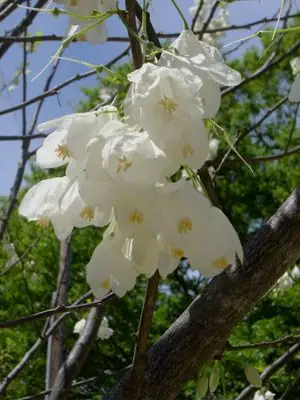
Of all the silverbells, this is the one plant hunters remember. Halesia diptera var. magniflora is the large-flowered form of the two-wing silverbell, and the difference is not subtle: the white, bell-shaped flowers run half again larger than the type, sometimes an inch and more across, with the.
ราคา ขนาดบรรจุภัณฑ์ และความพร้อมจำหน่ายจะได้รับการยืนยันในใบเสนอราคาส่วนบุคคลของคุณ การส่งคำสอบถามไม่ได้หมายถึงการสั่งซื้อและชำระเงินเรียบร้อยแล้ว
Of all the silverbells, this is the one plant hunters remember. Halesia diptera var. magniflora is the large-flowered form of the two-wing silverbell, and the difference is not subtle: the white, bell-shaped flowers run half again larger than the type, sometimes an inch and more across, with the lobes cut so deeply that each bloom flares open like a little white star rather than a closed bell. In full flower, before the leaves are fully out, the branches all but vanish beneath them, and a mature specimen becomes a cloud of white in the April woods.
The variety name says exactly what the eye already knows. Magniflora is Latin for large-flowered, a fitting note under a genus named for Stephen Hales, the eighteenth-century scientist who pioneered the study of how water moves through plants, and a species named diptera, two-winged, for the pair of papery wings on the dry ripe fruit. Botanically this is still a two-wing silverbell; horticulturally the plant is the aristocrat of the group, the form that connoisseurs of native trees seek out and seldom find offered.
The wild range is narrow. This large-flowered variety grows native in a limited stretch of the Florida Panhandle and the neighboring Gulf Coast, along shaded bluffs and rich, moist ravines near the Apalachicola and other blackwater rivers, exactly the kind of cool, humus-rich, acid ground that produces so many of the region's botanical treasures. Scarcity in the wild is part of why the tree is rarely available in the trade, and part of why a garden-grown plant is worth the search.
Give this silverbell a semi-shaded, moist but well-drained site, and treat the tree as a spring-flowering understory specimen for a woodland edge, a shaded border, or a courtyard where the oversized bells can be looked up into from below. Plant among dogwoods, azaleas, rhododendrons, and ferns that share the same taste for cool, acid soil, shelter the crown from harsh afternoon sun in the Deep South, and let a yellow fall color close a season that began with the finest flowers the silverbells can offer.
ขอใบเสนอราคาที่ปรับแต่งให้เหมาะสมกับความต้องการของคุณ

ขอใบเสนอราคาที่ปรับแต่งให้เหมาะสมกับความต้องการของคุณ

ขอใบเสนอราคาที่ปรับแต่งให้เหมาะสมกับความต้องการของคุณ

ขอใบเสนอราคาที่ปรับแต่งให้เหมาะสมกับความต้องการของคุณ
คำถามและการอภิปราย