
การคัดเลือกโดย Seedsun
Baptisia 'Grape Taffy' (FALSE INDIGO)
ขอใบเสนอราคาที่ปรับแต่งให้เหมาะสมกับความต้องการของคุณ

รหัสสินค้า: HAMA-VIRG-01G
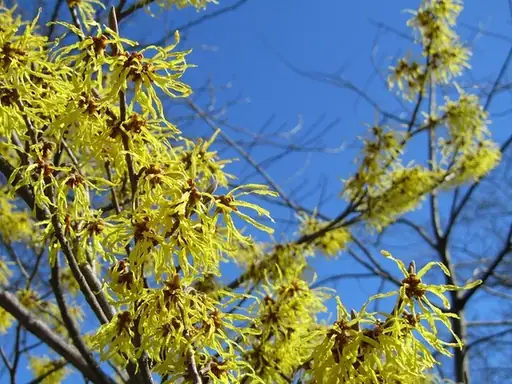
Hamamelis virginiana does everything backwards, and that is the entire appeal. When the rest of the woods has shut down for the year, when the leaves are gone and nothing else is in flower, witch hazel chooses that exact moment to bloom: spidery yellow flowers, all thin crimped strap-like petals,.
ราคา ขนาดบรรจุภัณฑ์ และความพร้อมจำหน่ายจะได้รับการยืนยันในใบเสนอราคาส่วนบุคคลของคุณ การส่งคำสอบถามไม่ได้หมายถึงการสั่งซื้อและชำระเงินเรียบร้อยแล้ว
Hamamelis virginiana does everything backwards, and that is the entire appeal. When the rest of the woods has shut down for the year, when the leaves are gone and nothing else is in flower, witch hazel chooses that exact moment to bloom: spidery yellow flowers, all thin crimped strap-like petals, scattered along the bare branches through late fall and into the cold. They carry a faint sweet scent on a mild day and they wait, patiently, for whatever gnat or late fly is still working, because almost nothing else is. This is the shrub that flowers when flowering makes no sense, and is all the more loved for the defiance.
The name written into the genus tells you the other half of the trick. Hamamelis comes from Greek for "fruit at the same time," because this is very likely the only native woody plant in America to carry this year's flowers, last year's ripening seed capsules, and next year's leaf buds on the branch all at once. And those capsules do something worth waiting for: when they finally dry and split, they fire their hard black seeds as far as twenty-five feet, with an audible snap, then hang on the twigs afterward like little open beaks. A plant that blooms in the cold and flings seed across the clearing is not trying to be ordinary.
Then there's the name itself, which is half the romance. Early settlers, confusing the plant with the European hazel and borrowing an old Anglo-Saxon word for "bend," watched Native peoples cut the forked branches into divining rods and walk them over the ground to dowse for water, the fork dipping where the well should go. The Mohegan are credited with teaching the practice, which followed well-diggers into the twentieth century. The famous astringent came later: in 1866 Thomas Dickinson built a distillery and turned the steeped twigs into the witch hazel still sold in every pharmacy, a recipe learned in part from the Cherokee and Iroquois.
For all that history, this is an easy plant. A large multi-stemmed shrub or small tree of the eastern woods, adaptable to most soils and sites, sun to shade, with leaves that turn a clean buttery gold before they drop to reveal the flowers beneath. Notably, after centuries in cultivation the species has produced no garden cultivars worth keeping, a quiet endorsement of the original: nobody has improved on the wild plant, because the wild plant is already right. Hamamelis virginiana is native magic, the kind you plant once and watch do something strange and lovely every November when everything else has called it a year.
Photos courtesy of Kurt Wagner and Randy Harter
ขอใบเสนอราคาที่ปรับแต่งให้เหมาะสมกับความต้องการของคุณ

ขอใบเสนอราคาที่ปรับแต่งให้เหมาะสมกับความต้องการของคุณ

ขอใบเสนอราคาที่ปรับแต่งให้เหมาะสมกับความต้องการของคุณ

ขอใบเสนอราคาที่ปรับแต่งให้เหมาะสมกับความต้องการของคุณ
คำถามและการอภิปราย