
การคัดเลือกโดย Seedsun
Baptisia 'Grape Taffy' (FALSE INDIGO)
ขอใบเสนอราคาที่ปรับแต่งให้เหมาะสมกับความต้องการของคุณ

รหัสสินค้า: HIBI-ACUL-01G
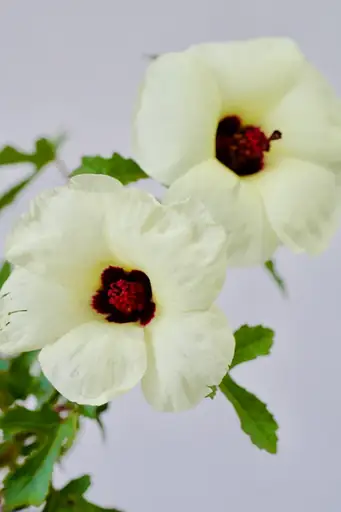
Pineland hibiscus is the wilder, pricklier cousin among the native mallows, and all the more charming for a slightly untamed look. Through the summer the plant opens broad flowers several inches across in soft creamy yellow, each centered on a deep maroon eye, the classic hibiscus form scaled down.
ราคา ขนาดบรรจุภัณฑ์ และความพร้อมจำหน่ายจะได้รับการยืนยันในใบเสนอราคาส่วนบุคคลของคุณ การส่งคำสอบถามไม่ได้หมายถึงการสั่งซื้อและชำระเงินเรียบร้อยแล้ว
Pineland hibiscus is the wilder, pricklier cousin among the native mallows, and all the more charming for a slightly untamed look. Through the summer the plant opens broad flowers several inches across in soft creamy yellow, each centered on a deep maroon eye, the classic hibiscus form scaled down and set on a low, spreading, bristly frame. The deeply lobed leaves are rough to the touch and the stems carry fine prickles, so the whole plant reads as a hardy native of open, sunny ground rather than a pampered border hybrid.
The plant belongs to the Malvaceae, the mallow and hibiscus family, and the species name aculeatus, meaning prickly, records exactly the bristly texture that sets this species apart from the smoother native rose mallows. Pineland hibiscus is a plant of the southeastern Coastal Plain, native from Florida north to North Carolina, where the roots run in wet pine flatwoods, savannas, and the damp margins of roadside ditches. The common names, pineland hibiscus and savanna hibiscus, place the plant exactly in that open, sunny, seasonally wet country.
A third common name carries the ethnobotany: comfortroot. Indigenous peoples of the Southeast valued the thick, mucilaginous roots as a soothing demulcent, brewed into a preparation to ease sore, irritated throats, the slippery root mucilage coating and calming the way marshmallow root or slippery elm does. has written a fuller account of this history; you can read the deep dive here.
In the garden, pineland hibiscus makes a fine, tough native for a sunny bed or border, a rain garden, a wet meadow, or a native and pollinator planting in the warmer zones, where the pale flowers draw bees and other pollinators through the heat of summer. Give full sun to part shade and moist to average, sandy or loamy soil, and let the plant weave among grasses and other Coastal Plain natives. One of many native plants little known in cultivation when first offered by , and still an uncommon pleasure.
ขอใบเสนอราคาที่ปรับแต่งให้เหมาะสมกับความต้องการของคุณ

ขอใบเสนอราคาที่ปรับแต่งให้เหมาะสมกับความต้องการของคุณ

ขอใบเสนอราคาที่ปรับแต่งให้เหมาะสมกับความต้องการของคุณ

ขอใบเสนอราคาที่ปรับแต่งให้เหมาะสมกับความต้องการของคุณ
คำถามและการอภิปราย