
การคัดเลือกโดย Seedsun
Baptisia 'Grape Taffy' (FALSE INDIGO)
ขอใบเสนอราคาที่ปรับแต่งให้เหมาะสมกับความต้องการของคุณ

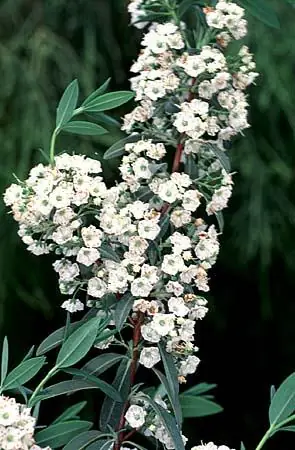
รหัสสินค้า: KALM-ANGU-CARO-01G
Sheep laurel belongs to the heath family (Ericaceae), kin to the rhododendrons, blueberries, and pieris, and shares that family's love of cool, sour, peaty ground. The genus name honors Pehr Kalm, the Finnish-Swedish naturalist and student of Linnaeus who traveled the eastern colonies in the 1740s.
ราคา ขนาดบรรจุภัณฑ์ และความพร้อมจำหน่ายจะได้รับการยืนยันในใบเสนอราคาส่วนบุคคลของคุณ การส่งคำสอบถามไม่ได้หมายถึงการสั่งซื้อและชำระเงินเรียบร้อยแล้ว
Sheep laurel belongs to the heath family (Ericaceae), kin to the rhododendrons, blueberries, and pieris, and shares that family's love of cool, sour, peaty ground. The genus name honors Pehr Kalm, the Finnish-Swedish naturalist and student of Linnaeus who traveled the eastern colonies in the 1740s and sent plants and seed back to Uppsala; Linnaeus returned the compliment by fixing his pupil's name to this handsome American genus. The species epithet angustifolia simply means narrow-leaved, while caroliniana marks the southern form described from the Carolinas, distinguished by leaves softly gray-felted on their undersides.
Carolina sheep laurel is a low, somewhat rhizomatous evergreen shrub, usually two to three feet high, spreading gently into loose colonies. The narrow, leathery leaves are held in whorls of three, and in early summer the stems carry tight clusters of deep pink, saucer-shaped flowers. Each bloom performs one of the loveliest tricks in the American flora: the ten anthers are bent back and tucked into small pockets in the corolla, held under tension until a visiting bee trips them, whereupon they snap forward and shower the insect with pollen. The effect, repeated across a whole colony in bloom, is quietly mechanical and endlessly watchable.
The plant's darker common names, lambkill, sheep-poison, and calf-kill, tell the other half of the story. All parts of sheep laurel contain grayanotoxins, and grazing animals that eat the foliage, most dangerously sheep and young cattle, can be seriously poisoned. Indigenous peoples of the East knew the plant's power well and handled the shrub with care, recording only cautious, limited uses such as powdered leaves taken as snuff for a head cold. Given that toxicity, sheep laurel is grown as an ornamental and a wildlife plant, not a medicinal or edible one, and the foliage should be kept away from livestock and curious mouths.
In the garden, sheep laurel is a specialist worth courting for damp, acidic sites where more conventional shrubs fail. Native from southeastern Virginia through Georgia in moist pinelands, pocosin edges, and mountain bogs, the shrub belongs in the bog garden, the pond margin, or the low acidic border, ideally in bold drifts among blueberry, inkberry, sweet pepperbush, and pitcher plants. Give the roots steady moisture, strongly acid soil, and a mulch of pine straw, set the colony in sun for the fullest bloom, and let the toxic foliage do quiet double duty as a deer-resistant groundcover shrub.
ขอใบเสนอราคาที่ปรับแต่งให้เหมาะสมกับความต้องการของคุณ

ขอใบเสนอราคาที่ปรับแต่งให้เหมาะสมกับความต้องการของคุณ

ขอใบเสนอราคาที่ปรับแต่งให้เหมาะสมกับความต้องการของคุณ

ขอใบเสนอราคาที่ปรับแต่งให้เหมาะสมกับความต้องการของคุณ
คำถามและการอภิปราย