
การคัดเลือกโดย Seedsun
Baptisia 'Grape Taffy' (FALSE INDIGO)
ขอใบเสนอราคาที่ปรับแต่งให้เหมาะสมกับความต้องการของคุณ

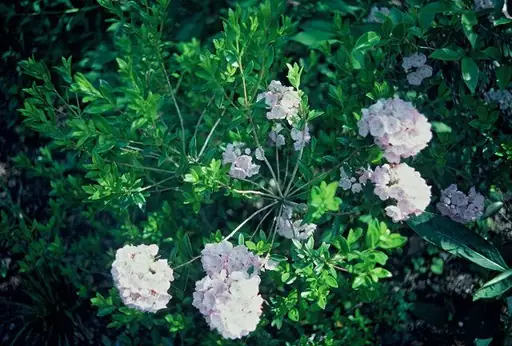
รหัสสินค้า: KALM-LATI-X-HIRS-01G
This seemingly unlikely hybrid crosses the familiar mountain laurel (Kalmia latifolia) with the diminutive, far less known sandhill laurel (Kalmia hirsuta) of the Deep South, two species that could hardly look more different. The cross was probably first made by the late, great Alabama nurseryman.
ราคา ขนาดบรรจุภัณฑ์ และความพร้อมจำหน่ายจะได้รับการยืนยันในใบเสนอราคาส่วนบุคคลของคุณ การส่งคำสอบถามไม่ได้หมายถึงการสั่งซื้อและชำระเงินเรียบร้อยแล้ว
This seemingly unlikely hybrid crosses the familiar mountain laurel (Kalmia latifolia) with the diminutive, far less known sandhill laurel (Kalmia hirsuta) of the Deep South, two species that could hardly look more different. The cross was probably first made by the late, great Alabama nurseryman Tom Dodd, Jr., and further investigated by the Connecticut Kalmia expert Dr. Richard Jaynes, whose lifetime of work did more than anyone's to bring the genus into gardens.
The genus Kalmia was named by Linnaeus for his student Pehr Kalm, the naturalist who explored eastern North America in the 1740s. This hybrid sits neatly between the parents in both size and hardiness, staying a compact three to four feet high and wide, and bears the typical pink flower clusters of a mountain laurel. Each cup-shaped bloom carries the family's signature mechanism, ten stamens held under spring tension in pockets of the corolla, ready to snap forward and dust a visiting bee with pollen. The sandhill laurel parent lends heat tolerance and a smaller frame, making this an intriguing laurel for gardeners in the warmer Southeast.
Mountain laurels carry a long human history under the common name spoonwood, from the hard, close-grained wood that Indigenous peoples of the East carved into spoons and small utensils. That heritage comes with a firm caution. Every green part of a Kalmia, along with the pollen and any honey made from the flowers, contains grayanotoxins and is poisonous to livestock, wildlife, and people. This hybrid is grown as an ornamental and pollinator plant, never a medicinal or edible one, and the foliage is best kept away from grazing animals and curious mouths.
In the garden, this compact laurel is an attractive and unusual choice for a spot with well-drained acid soil, semi-shade, and dependable moisture. The modest size suits a woodland border, a foundation planting, or a collector's corner among rhododendrons, blueberries, inkberry, and native ferns. Plant high rather than deep, mulch with pine straw to keep the roots cool and sour, and let the toxic evergreen foliage serve as quiet deer resistance through the year.
ขอใบเสนอราคาที่ปรับแต่งให้เหมาะสมกับความต้องการของคุณ

ขอใบเสนอราคาที่ปรับแต่งให้เหมาะสมกับความต้องการของคุณ

ขอใบเสนอราคาที่ปรับแต่งให้เหมาะสมกับความต้องการของคุณ

ขอใบเสนอราคาที่ปรับแต่งให้เหมาะสมกับความต้องการของคุณ
คำถามและการอภิปราย