
การคัดเลือกโดย Seedsun
Baptisia 'Grape Taffy' (FALSE INDIGO)
ขอใบเสนอราคาที่ปรับแต่งให้เหมาะสมกับความต้องการของคุณ

รหัสสินค้า: PV213
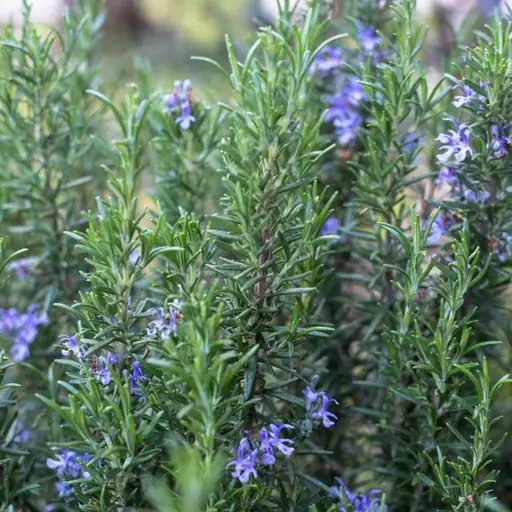
Tuscan Blue Rosemary, scientifically known as Rosmarinus officinalis ‘Tuscan Blue,’ is a remarkable variety of rosemary that stands out for its attractive, upright growth and aromatic qualities. This evergreen shrub boasts strongly aromatic, olive green, needle-like leaves and clusters of deep.
ราคา ขนาดบรรจุภัณฑ์ และความพร้อมจำหน่ายจะได้รับการยืนยันในใบเสนอราคาส่วนบุคคลของคุณ การส่งคำสอบถามไม่ได้หมายถึงการสั่งซื้อและชำระเงินเรียบร้อยแล้ว
Tuscan Blue Rosemary, scientifically known as Rosmarinus officinalis ‘Tuscan Blue,’ is a remarkable variety of rosemary that stands out for its attractive, upright growth and aromatic qualities. This evergreen shrub boasts strongly aromatic, olive green, needle-like leaves and clusters of deep blue, tubular flowers from winter through spring. Known for its ease of maintenance and undemanding nature, Tuscan Blue Rosemary is a favored choice for hedges, privacy screens, and waterwise gardens. The leaves, rich in essential oils, are highly valued for culinary uses and can be used fresh or dried to flavor a variety of dishes.
Growing Tuscan Blue Rosemary is relatively straightforward, making it an excellent choice for both novice and experienced gardeners. Here are some key aspects to consider:
Light Requirements: Tuscan Blue Rosemary thrives in full sun, needing at least six to eight hours of direct sunlight each day to develop its full flavor and aromatic qualities. In regions with hot summers, some afternoon shade can be beneficial.
Soil Preferences: This rosemary variety prefers poor to moderately fertile, well-drained soils. It can thrive in sandy or gravelly soils, making it a suitable choice for rock gardens and Mediterranean-style landscapes. Good drainage is crucial to prevent root rot, a common issue in waterlogged soils.
Watering Needs: Once established, Tuscan Blue Rosemary is drought tolerant, requiring minimal watering. In the initial stages after planting, ensure the soil remains consistently moist but not waterlogged to help the roots establish. After the first growing season, reduce watering frequency, especially in areas with regular rainfall.
Maintenance: Tuscan Blue Rosemary requires minimal maintenance. Regularly remove unsightly or dead shoots to maintain a tidy appearance. Since rosemary blooms in summer and late fall on the previous or current year’s growth, prune plants lightly in mid to late spring to encourage healthy growth and flowering.
Pest and Disease Management: Tuscan Blue Rosemary is virtually disease-free. However, gardeners should watch for thrips and rosemary beetles, which can occasionally infest the plants. Regular inspection and prompt action at the first sign of trouble can help keep these pests in check.
Tuscan Blue Rosemary is a versatile herb with numerous uses, both culinary and ornamental:
Culinary Uses: The aromatic leaves of Tuscan Blue Rosemary are highly valued in the kitchen. They can be used fresh or dried to flavor a variety of dishes, including roasted meats, vegetables, stews, and breads. The intense flavor of the leaves makes them a perfect addition to marinades and rubs.
Ornamental Uses: With its upright growth habit and attractive foliage, Tuscan Blue Rosemary is an excellent choice for hedges, privacy screens, and borders. It adds a touch of Mediterranean charm to gardens and landscapes. The deep blue flowers are also attractive to bees, butterflies, and hummingbirds, making it a great plant for pollinator gardens.
Waterwise Gardens: Due to its drought tolerance, Tuscan Blue Rosemary is ideal for xeriscaping and waterwise gardens. It can thrive with minimal water once established, making it an environmentally friendly choice for dry climates.
Tuscan Blue Rosemary’s culinary potential is vast, and it can be used in a variety of recipes to enhance flavor:
For those without garden space, growing Tuscan Blue Rosemary indoors is a viable option:
Container Selection: Choose a pot with adequate drainage holes to prevent waterlogging. A terra cotta pot is a good choice as it allows for better air circulation around the roots.
Indoor Light Requirements: Place the pot in a location where it will receive plenty of sunlight. A south-facing window is ideal. If natural light is insufficient, consider using grow lights to supplement.
Watering Indoors: Indoor rosemary plants need regular watering to keep the soil moist but not soggy. Be careful not to overwater, as this can lead to root rot.
Pruning and Maintenance: Indoor Tuscan Blue Rosemary requires regular pruning to maintain a healthy, bushy appearance. Pinch back new growth to encourage a fuller plant and remove any yellow or dead leaves promptly.
Growing Tuscan Blue Rosemary offers a range of benefits, from enhancing your culinary creations to providing a fresh, aromatic element to your garden or home. Whether you choose to grow it outdoors or indoors, this versatile herb is relatively easy to cultivate and maintain. Its historical significance and cultural importance, particularly in Mediterranean cuisine, add to its charm. For those interested in starting their own rosemary patch. By following the guidelines outlined above, you can enjoy a thriving rosemary plant and the delightful flavors it brings to your kitchen. Whether you’re seasoning a roast, flavoring a bread, or simply enjoying the fragrant foliage, Tuscan Blue Rosemary is a valuable addition to any garden or culinary repertoire.
ขอใบเสนอราคาที่ปรับแต่งให้เหมาะสมกับความต้องการของคุณ

ขอใบเสนอราคาที่ปรับแต่งให้เหมาะสมกับความต้องการของคุณ

ขอใบเสนอราคาที่ปรับแต่งให้เหมาะสมกับความต้องการของคุณ

ขอใบเสนอราคาที่ปรับแต่งให้เหมาะสมกับความต้องการของคุณ
คำถามและการอภิปราย